
Experience the charm of the canals with Solo Planet Hub. Find easy travel plans, top attractions, local dining, and the best places to stay.
-
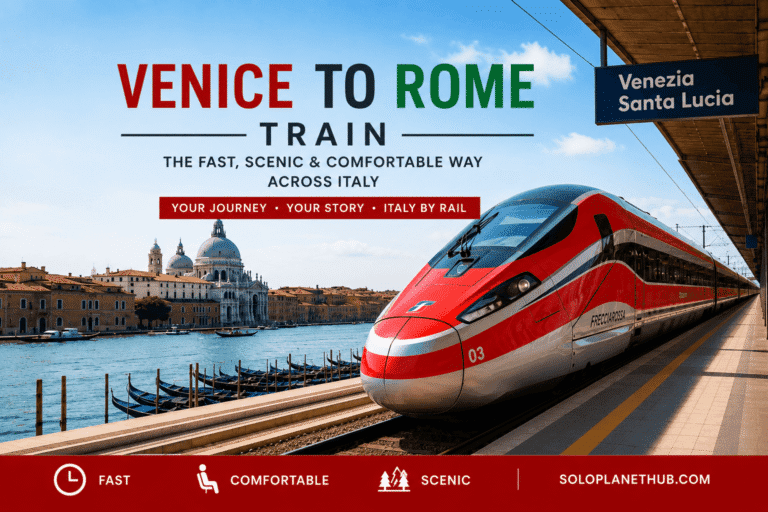
Venice to Rome Train Complete Guide to Times,Cost & Tickets
The Venice to Rome train takes as little as 3 hours and 24 minutes. High-speed Frecciarossa and Italo services…
-
Travel Guides | Italy | Venice
25 Best Hotels in Venice for First-Time Visitors (2026)
The best hotels in Venice for first time visitors are in Cannaregio, Dorsoduro, and San Polo. These areas offer…
-
Where to Stay in Venice: 6 Best Areas for Every Travel Style
Venice is one of the most unique cities in the world. Built across 118 small islands connected by more…
-
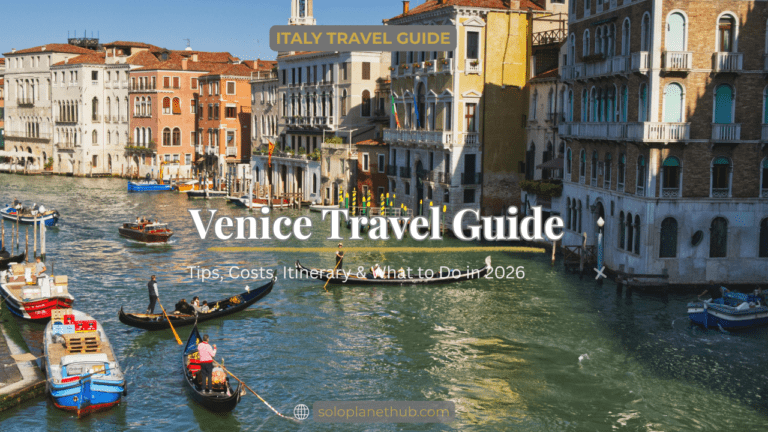
The Ultimate Venice Travel Guide: Best Tips,Costs & Itinerary 2026
This Venice travel guide covers everything you need for a first visit. Venice is an Italian city built on…
-
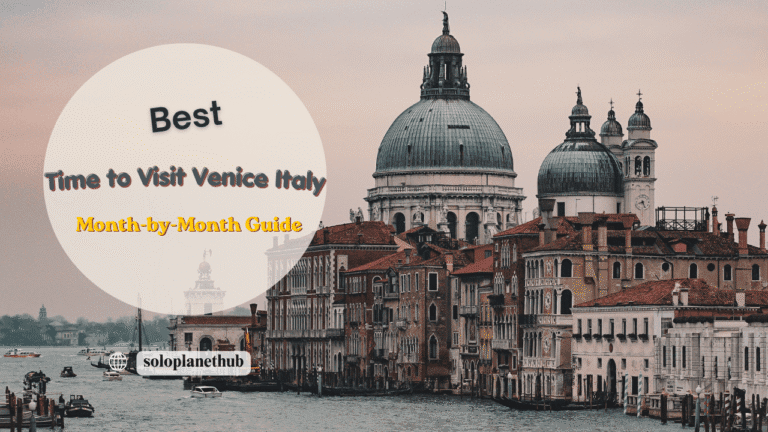
Best Time To Visit Venice,Italy
The best time to visit Venice is April to June and September to October. These months offer mild weather,…
-
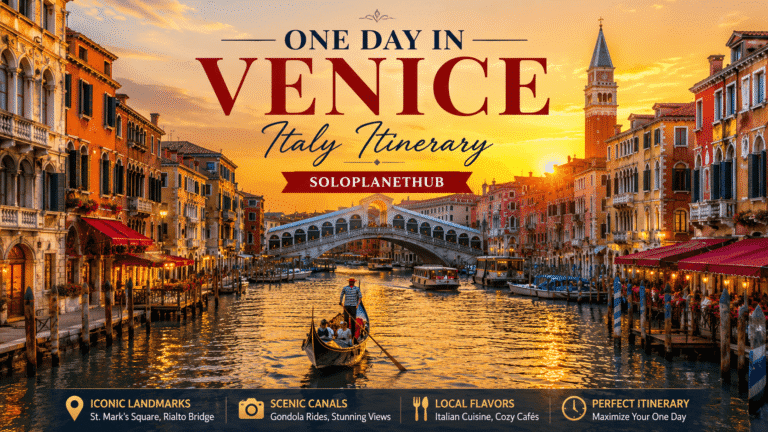
Best One Day in Venice Italy Itinerary: The Perfect 24-Hour Plan
Venice is one of those cities that feels overwhelming before you even arrive. Narrow streets, endless canals, confusing transport,…


- Venice is one of the world’s most extraordinary cities built across 118 islands connected by canals, bridges, and centuries of history. No cars. No straight roads. A skyline unchanged for 500 years.
- This complete Venice travel guide brings everything together in one place: itineraries, neighborhoods, food, costs, day trips, and the practical details that make a Venice trip genuinely enjoyable rather than stressful. Whether you have one day or a full week, start here. This Venice travel guide is updated regularly for 2026 bookmark it before your trip.
- Planning a wider Italy trip alongside Venice? See our complete 2 day Rome itinerary and Florence landmarks guide for the full picture.
Quick Venice Travel Facts
- Location: Veneto, northern Italy
- Best trip length: 3 days minimum
- Daily budget: €80–150 per person
- Best months: April–May and September–October
- Airport: Venice Marco Polo (VCE) 20 minutes by water taxi
- Day visitor fee: Seasonal fee applies check veneziaunica.it before arrival
Venice Travel Guide: Itineraries and How Many Days You Need
One Day in Venice
Only have 24 hours? It is enough to see the main highlights if you plan efficiently. Our detailed one day in Venice Italy itinerary covers St. Mark’s Square, Rialto Bridge, a cicchetti lunch, afternoon backstreets, and sunset from San Giorgio Maggiore all in a logical walking route.
Two to Three Days in Venice
- Three days is the recommended minimum for first-time visitors. Day 1 covers the main landmarks. Day 2 explores neighborhoods Cannaregio, Dorsoduro, and Castello. Day 3 is for island day trips to Burano and Murano, or deeper exploration of the quieter parts of the city.
- For a full list of what to do beyond the standard landmarks, our guide to unique things to do in Venice covers hidden canals, local food customs, and experiences most visitors never find.
Venice Travel Guide: Best Time to Visit
The best time to visit Venice Italy depends on what matters most to you: weather, crowds, or cost.
- April–May: Warm weather, manageable crowds, beautiful light best overall
- September–October: Excellent weather, fewer tourists than summer, golden hour photography
- June–August: Hot, crowded, expensive book everything 2–3 months ahead
- November–March: Cheapest prices, fewest tourists, higher chance of acqua alta flooding
- Carnival (February): Spectacular but extremely crowded and expensive
The shoulder seasons April to May and September to October consistently offer the best combination of weather, cost, and atmosphere for first-time visitors.
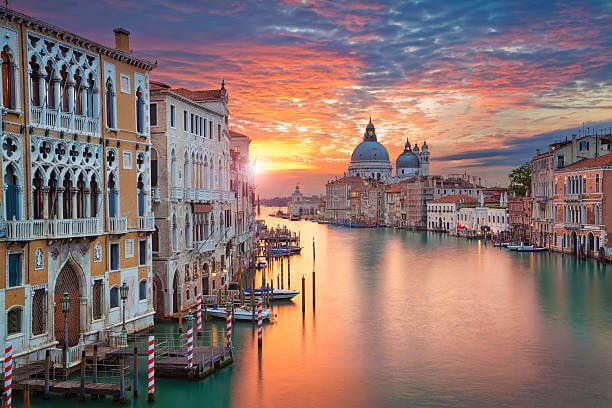
Where to Stay in Venice
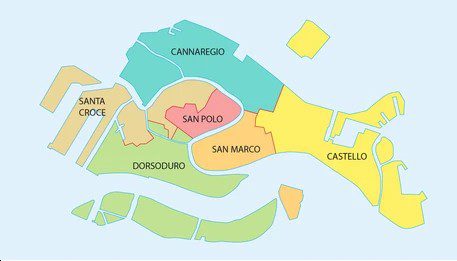
Venice accommodation is significantly more expensive than other Italian cities and location matters enormously. Our complete guide on where to stay in Venice covers every neighborhood with specific hotel picks for every budget.
- Cannaregio The most authentic residential neighborhood.
- Best for local atmosphere, cicchetti bars, and lower hotel prices. 20-minute walk from St. Mark’s Square.
- Dorsoduro Best balance of beauty, budget, and authenticity.
- Home to the Accademia Gallery and Peggy Guggenheim Collection. Quieter than San Marco, better restaurants.
- San Marco Most central location closest to the main landmarks.
- Most expensive and most crowded. Best for first-time visitors who prioritize proximity over price.
- Castello The most underrated neighborhood in Venice.
- Genuinely local, quiet canals, excellent restaurants, significantly lower prices than San Marco.
- For specific hotel recommendations at every price point, see our guide to the best hotels in Venice for first-time visitors.
Food in Venice What to Eat and Where
- Venice has a distinct food culture completely separate from the rest of Italy. The local tradition centers on small bites eaten standing at bar counters with a small glass of wine called an ombra.
- Our complete guide to the best cicchetti in Venice Italy covers the top bacari by neighborhood, what to order, and how locals actually eat essential reading before your first evening in the city.
Must-try Venetian food:
- Cicchetti the defining local food experience
- Sarde in saor sweet and sour sardines, uniquely Venetian
- Seppie al nero cuttlefish in its own ink over polenta
- Baccalà mantecato creamed salt cod on bread
- Venetian Spritz Aperol or Select with prosecco, the local aperitivo
Where to eat: Cannaregio and Dorsoduro neighborhoods have the best local bacari. Avoid restaurants directly on Piazza San Marco prices are 3–4x higher than equivalent quality elsewhere.

Top Attractions in Venice
Do not miss:
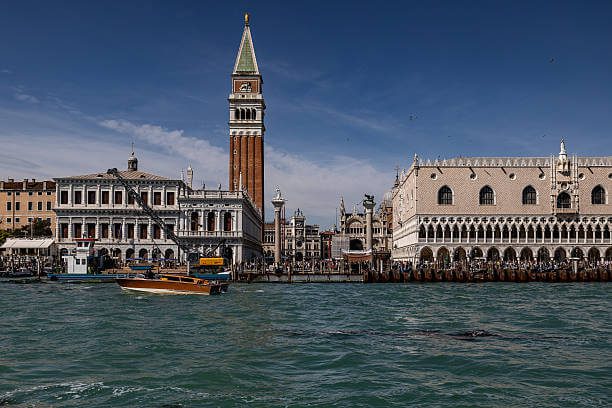
- St. Mark’s Basilica free entry, book timed slot at basilicasanmarco.it
- Doge’s Palace best booked in advance at palazzoducale.visitmuve.it
- Rialto Bridge free, best early morning before crowds arrive
- Grand Canal take Vaporetto Line 1 for the full scenic route
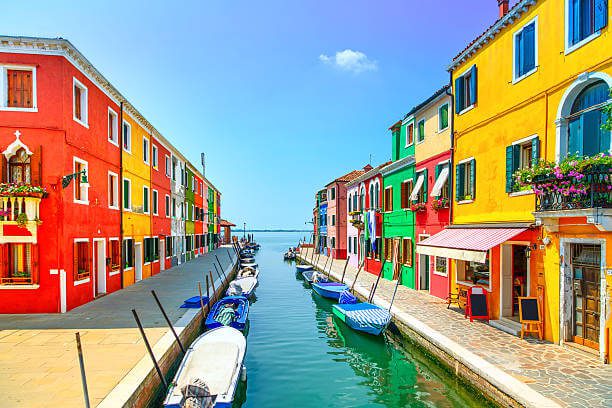
- Burano island 45 minutes by vaporetto, famous for colorful houses
- Murano island 15 minutes by vaporetto, historic glassmaking
For a complete list of experiences beyond the standard landmarks, see our guide to unique things to do in Venice including hidden bridges, wine windows, and the quietest corners of the city. St. Mark’s Basilica free entry, book timed slot at basilicasanmarco.it
Getting Around Venice
Venice has no cars. Transport options are:
- Walking: The primary way to explore. Most landmarks are within 30–40 minutes on foot from anywhere in the historic center
- Vaporetto: Public water bus. Day pass costs €25–30. Vaporetto Line 1 runs the full Grand Canal the most scenic route
- Gondola: Regulated at €80–90 for 30 minutes. Optional not essential for experiencing Venice travel guide
- Water taxi: Fast and direct but expensive €70–100 from the airport For more transport details, our complete
- Venice travel guide covers vaporetto routes, gondola prices, and airport transfers.
Buy vaporetto tickets at ACTV booths or online at actv.it. Validate your ticket before boarding inspectors check regularly and fines are significant.
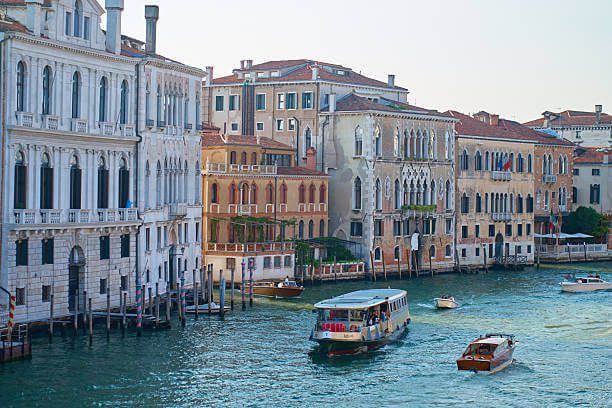
Day Trips from Venice
Burano The most colorful island in the Venetian lagoon
Brightly painted houses, lace-making tradition, and excellent seafood restaurants. 45 minutes by vaporetto from Fondamente Nove.
Murano Famous for glassmaking since 1291. Watch glass-blowing demonstrations and visit the Glass Museum. 15 minutes from Venice by vaporetto. Cinque Terre For a longer day trip to the Italian Riviera, Cinque Terre is reachable from Venice by train. Our guide on things to do in Cinque Terre covers all five villages, and how to get to Cinque Terre covers the train route in detail. Rome by Train Venice to Rome is 3.5–4 hours by high-speed train. Our Venice to Rome train guide covers tickets, prices, and timings for the full journey.
Venice Budget How Much Does Venice Cost?
Venice is expensive by Italian standards but smart choices keep costs manageable. These prices are current as of 2026 and
updated in this Venice travel guide seasonally.
Daily budget breakdown:
- Budget traveler: €60–80 (hostel, cicchetti meals, vaporetto pass, free sights)
- Mid-range: €120–180 (3-star hotel, restaurant meals, 2–3 paid attractions)
- Luxury: €300+ (boutique hotel, fine dining, private water taxi)
Money-saving tips:
- Stay in Cannaregio or Dorsoduro 30–40% cheaper than San Marco
- Eat cicchetti standing at the bar €1–3 per piece
- Buy a vaporetto day pass rather than single tickets
- Visit St. Mark’s Basilica for free book timed entry online
- Walk everywhere Venice is compact and walking is free
Your Complete Venice Travel Guide: Final Tips
- Visit major sights before 9am crowds arrive with the tour groups after 10am
- Stay outside San Marco better prices, more authentic atmosphere
- Eat where there is no English menu outside local trattorias are significantly cheaper and better
- Walk beyond the Rialto–San Marco corridor most of Venice sees very few tourists
- Book Doge’s Palace and Accademia tickets in advance queues are long without them
- Do not touch the canal water canals are not for swimming and water quality is poor
- Check acqua alta (high water) forecasts at comune.venezia.it if visiting November–March
For the official Venice tourism website with seasonal events, visit veneziaunica.it
Where to avoid staying in Venice?
Avoid staying in San Marco if you are on a budget. It is the most expensive district with the highest accommodation prices. The area is also the most crowded during the day. Dorsoduro and Cannaregio offer better value, quieter streets, and a more local atmosphere.
Why shouldn’t you touch the water in Venice?
Venice’s canals are not treated with freshwater. The canal system is connected directly to the Adriatic Sea and carries tidal saltwater. The canals also receive water from the surrounding lagoon ecosystem. Contact should be avoided for hygiene and health reasons.
Do and don’ts in Venice, Italy summary
DO arrive at major sights before 9 a.m. DO eat at bacari in Cannaregio or Dorsoduro instead of tourist restaurants. DO validate your vaporetto ticket before boarding. DO cover shoulders and knees when entering churches. DON’T eat in Piazza San Marco. DON’T accept free trips to Murano from hotels or agencies. DON’T buy glass on Murano without checking for authentic certification.
What are the best souvenirs from Venice?
The best souvenirs from Venice are handmade Venetian masks from certified mascareri (mask-makers), authentic Murano glass with certification, Burano lace from verified local producers, baicoli biscuits, local prosecco from the Veneto DOC zone, and bussolai buranelli biscuits from Burano. Avoid mass-produced plastic items sold near the main tourist sights.
Are there any parts of Venice to avoid?
There are no genuinely unsafe areas in Venice. However, Piazza San Marco at midday in summer should be avoided for comfort and value. The corridor between the train station and Rialto Bridge is the most crowded. Staying overnight in San Marco carries the highest accommodation costs. The best areas to spend time are Cannaregio, Dorsoduro, and San Polo.
How many days do you really need in Venice?
Three days is the recommended minimum for first-time visitors. This gives you time to visit St. Mark’s Basilica, the Doge’s Palace, and the Rialto Bridge; explore Cannaregio and Dorsoduro; and take a day trip to Burano or Murano. A fourth day allows for more neighborhoods, museums, and a gondola ride.
What is the best month to visit Venice?
September and October are ideal.
How many days do you need in Venice?
Three days is the recommended minimum for a first visit to Venice. One day covers the main landmarks St. Mark’s Square, Rialto Bridge, and the Grand Canal. Two days adds neighborhoods like Cannaregio and Dorsoduro. Three days allows for island day trips to Burano and Murano and a more relaxed pace throughout. Our one day in Venice Italy itinerary covers the fastest possible meaningful introduction to the city.
Is Venice expensive?
Venice is the most expensive city in Italy for accommodation typically 40–60% more than Rome or Florence for equivalent hotels. Food costs are manageable if you eat cicchetti at bacari rather than sitting at tourist restaurants. Budget €80 per day minimum. Staying in Cannaregio or Dorsoduro and eating standing at the bar are the two most effective ways to reduce costs significantly.