Best Food in Rome Italy: What to Eat & Where to Find It

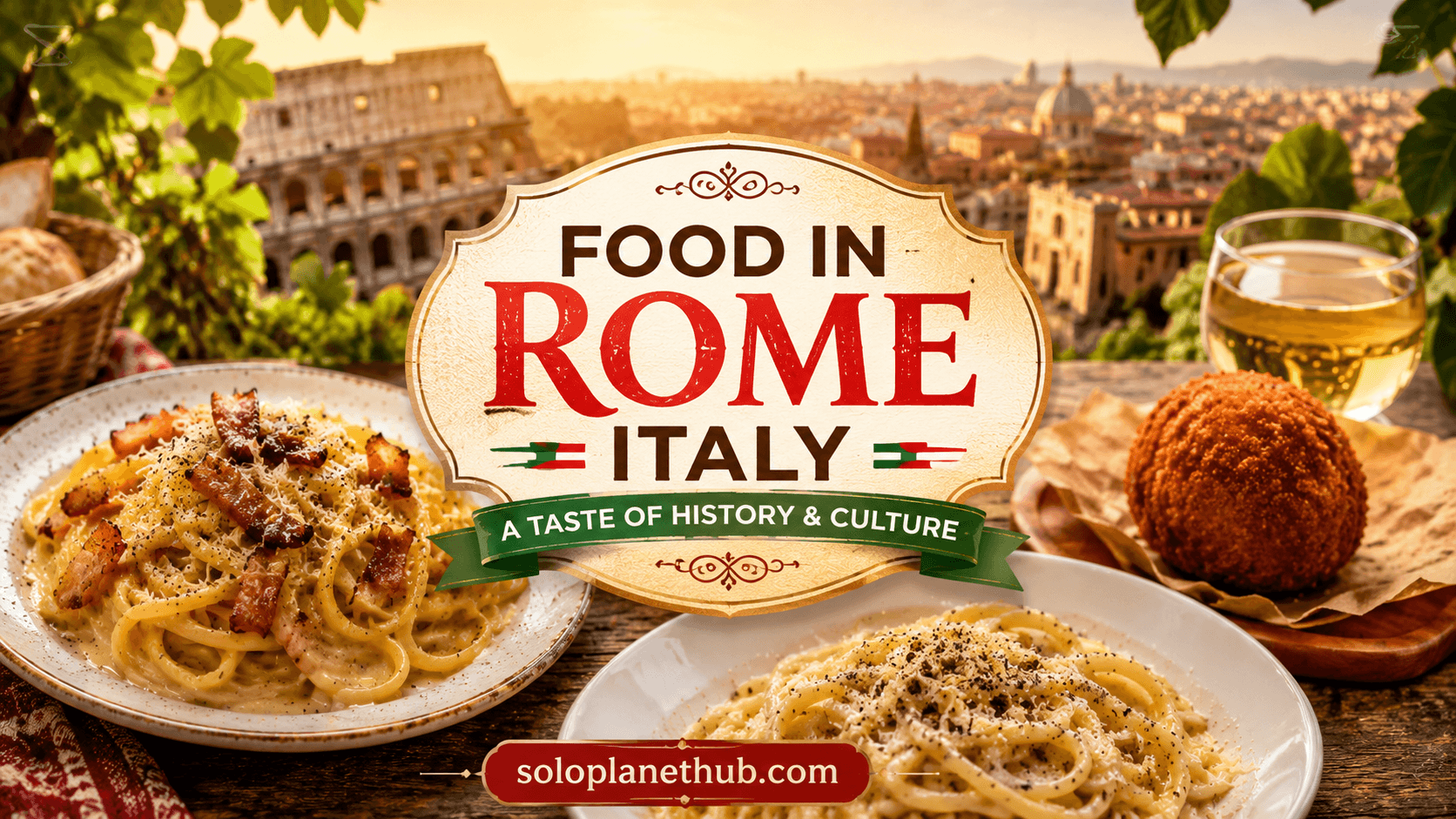
Rome isn’t just a city it’s one of the greatest food destinations in the world. From creamy pasta dishes to crispy street food and century-old trattorias, the Eternal City offers unforgettable culinary experiences around every corner.
In this guide, you’ll discover the best food in Rome Italy, learn what to eat in Rome, and find the best places to eat like a local. Whether you’re visiting for a weekend or planning a longer Italian adventure, this Rome food guide covers everything from classic Roman dishes to hidden neighborhood gems.
Before your trip, our Rome travel guide covers all the logistics transport, neighborhoods, and must-know tips. If you’re also planning a multi-city Italy trip, see our 2 day Rome itinerary for a full day-by-day plan.
Table of Contents
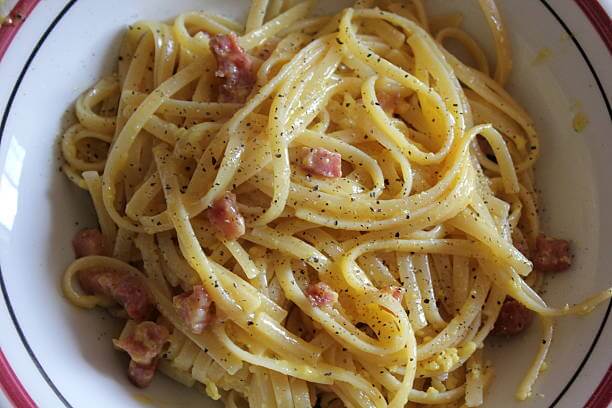
How to Eat Like a Local in Rome
Before hunting down the best food in Rome Italy, understand how locals actually dine. Roman dining follows rhythms and traditions that are very different from tourist habits. Knowing these basics helps you avoid tourist traps and enjoy more authentic meals.
Learn the Local Dining Rhythm
Romans eat on a schedule:
- Lunch: 12:30 PM – 2:30 PM
- Dinner: 7:30 PM – 10:30 PM
Arriving too early or too late means limited options or closed kitchens. Many trattorias shut completely between lunch and dinner service. Avoid restaurants with “all-day dining” signs they are almost always tourist-focused. You can also explore some unusual local experiences in our guide to unique things to do in Rome.
Avoid Tourist Menus and Follow the Locals
The easiest way to spot a tourist trap in Rome is the menu. Avoid restaurants that:
- Display laminated menus with photos
- Advertise “Tourist Menu” deals
- Have staff standing outside aggressively inviting people in
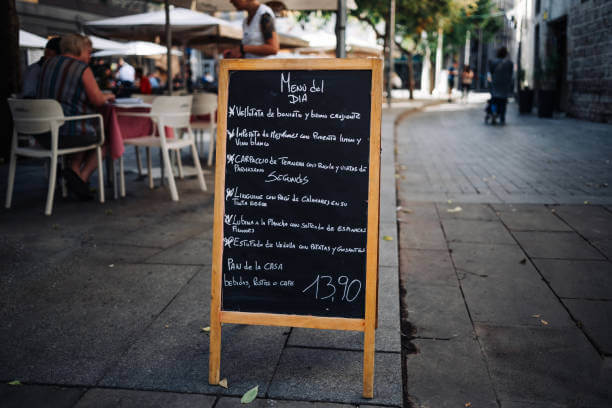
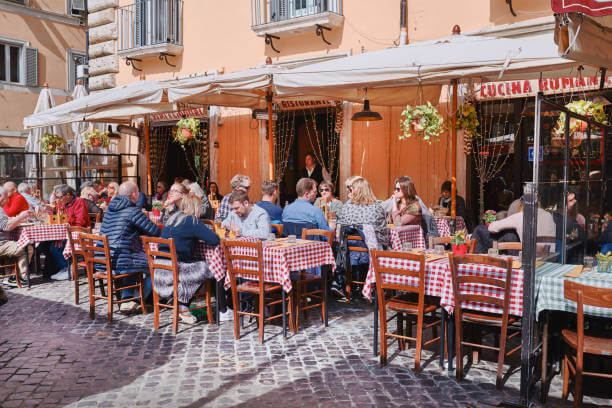
Authentic Roman trattorias feature handwritten or chalkboard menus in Italian, short seasonal menus, and classic dishes like Carbonara, Cacio e Pepe, and Amatriciana. Peek inside before sitting down if locals are eating there, you are in the right place.
Respect the Pasta Rules
Romans take pasta seriously:
- No cream in Carbonara
- No chicken in pasta dishes
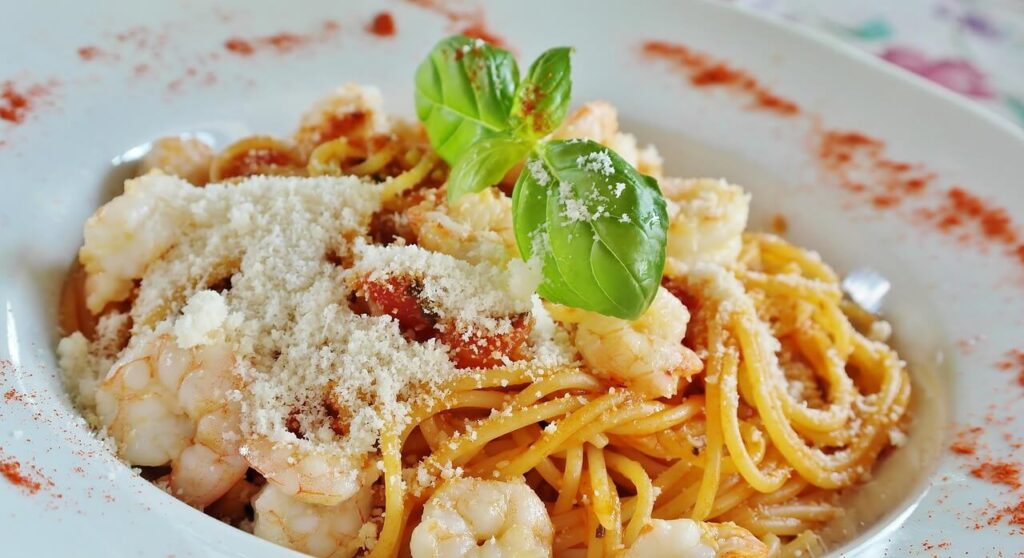
- Never ask for Parmesan on seafood pasta it is a culinary faux pas
- Order one pasta dish per person sharing courses is fine but do not mix them as in American dining
Understand Water,Bread and Extra Charges
Dining in Rome comes with customs travelers should know:
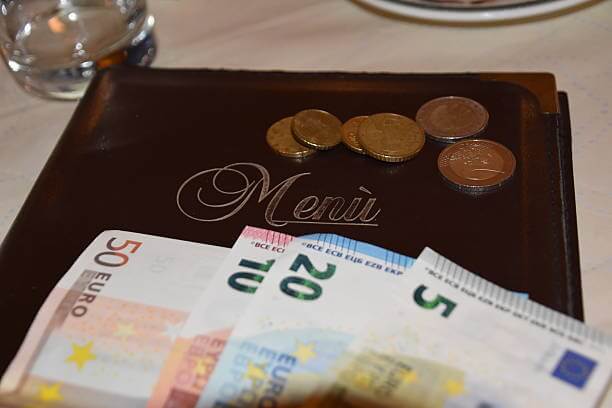
- Coperto (pane e coperto): €1–€3 per person a table cover charge, not a tip
- Tap water is not served automatically order acqua naturale (still) or frizzante (sparkling)
- Rome’s public drinking fountains (nasoni) offer free water carry a refillable bottle while sightseeing
Tipping and Service Etiquette
Service is usually included in Rome. Tipping is optional and modest:
- Rounding up the bill or leaving small change is enough
- 10% is considered generous for excellent service
- Always check the bill for servizio incluso before adding anything extra
Master Italian Coffee Culture in Rome
Coffee in Italy is not just a drink it is part of daily life. In Rome, coffee is quick, social, and deeply tied to tradition. Understanding local coffee customs is part of understanding food in Rome Italy.

Cappuccino Is a Morning-Only Drink
Italians drink cappuccino only in the morning, usually alongside a pastry:
- Ordering one after 11 AM marks you immediately as a tourist
- Milk-heavy drinks are considered too filling after meals
- Pair your cappuccino with a cornetto (Italian croissant) for a classic Roman breakfast
Espresso Is the Standard After Meals
After meals, Romans order espresso — simply called caffè:
- Served strong and concentrated, no flavored syrups, no oversized cups
- If you prefer something milder: caffè lungo (slightly longer extraction) or Americano (espresso with hot water)
Drink Coffee Standing at the Bar
Most Italians enjoy their espresso standing at the bar (al banco). Walk in, greet the barista with Buongiorno, order, and drink within two minutes. Why:
- It is faster
- It is cheaper often around €1
- Sitting at a table near tourist landmarks can double or triple the price due to service charges

Never Order “Latte” in Italy
In Italian, latte simply means milk. Ask for a latte and you will receive a glass of milk. What you want:
- Caffè latte espresso with plenty of hot milk
- Latte macchiato warm milk with just a shot of espresso
- Macchiato espresso with a small touch of milk, a great mid-morning option

Pay Before or After Know the System
In some bars you pay first at the cashier, then show your receipt at the counter. In others, you drink first and pay when leaving. Watch what locals do and follow their lead.
Tipping in Rome What You Need to Know
Tipping in Italy works differently from the US or UK. Most Italians simply round up the bill or leave small change. If your bill is €18, leaving €20 and saying “tenga il resto” is more than sufficient.
- Coperto on the bill = a standard charge for bread and table service, not a tip
- Servizio incluso = tip already covered do not add extra
- For exceptional service at a sit-down restaurant: 5–10% is generous but never obligatory
- At coffee bars or for quick meals: tipping is minimal or not expected
Reserve Ahead for the Best Spots
Rome’s dining scene is vibrant and the best spots fill up fast especially near Piazza Navona, Campo de’ Fiori, and the Pantheon.
- When to book: Weekend dinners, peak summer season, and popular rooftop restaurants
- How to book: Many traditional places prefer phone reservations. A useful phrase: “Vorrei prenotare un tavolo per due alle 20:00” (I’d like to book a table for two at 8 PM)
- Pro tip: Many modern spots accept reservations via WhatsApp or Instagram
Best Places to Eat in Rome
If you’re wondering where to eat in Rome without falling into tourist traps, start here. These restaurants and neighborhoods represent the best food in Rome Italy from historic trattorias to modern local gems.
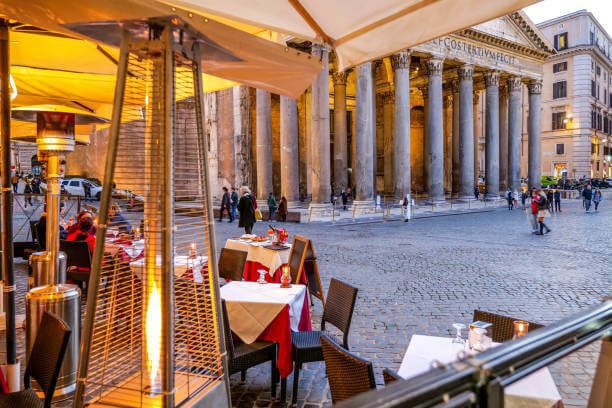
Emma Pizzeria
Known for organic ingredients and a perfect balance of crisp and chewy crust. Menu highlights include Cacio e Pepe, classic Roman pasta, and artisanal pizza. Ideal for lunch or dinner after exploring Campo de’ Fiori. Combines authentic flavors with a contemporary vibe.
Armando al Pantheon
A family-run trattoria serving local Roman cuisine for decades. Signature dishes: Gricia and Saltimbocca alla Romana. Located steps from the Pantheon one of the oldest restaurants in Rome and a true taste of tradition.
Roscioli Salumeria con Cucina
One of the best places to eat in Rome for traditional pasta. Nestled in the heart of the city, Roscioli perfectly blends Italian deli culture with fine dining. Widely considered home to one of the best Carbonara in Rome rich, creamy, and perfectly balanced. Their curated wine list features local Frascati and Cesanese.
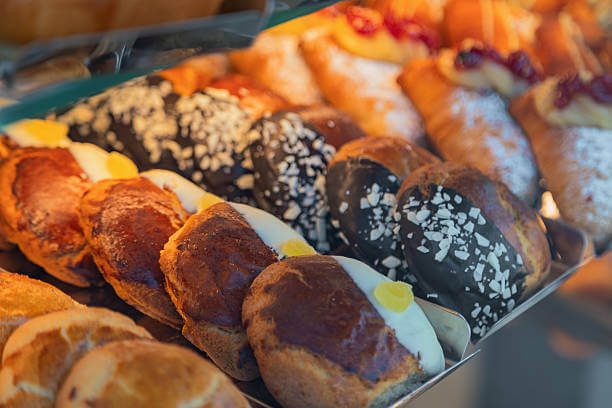
Reservation Tip: Highly recommended, especially for lunch or dinner near Campo de’ Fiori or the Pantheon.
Antico Forno Roscioli
A legendary bakery offering must-try food in Rome supplì (fried rice balls) and artisanal breads. Perfect for a quick snack while strolling through the city center. Pair with a glass of Frascati wine or finish with an espresso at the counter.
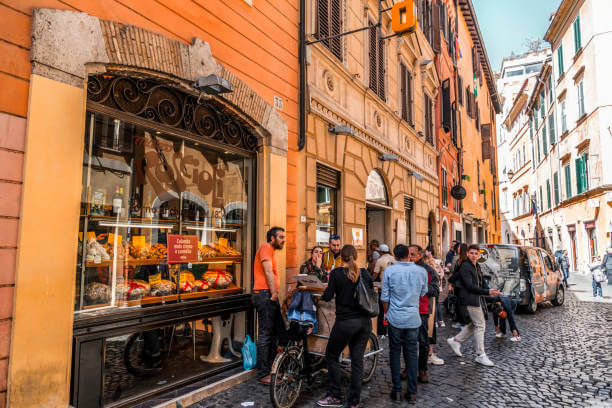
Testaccio The Beating Heart of Local Roman Cuisine
Testaccio is the most authentic food neighborhood in Rome. Famous for its traditional Roman dishes, vibrant markets, and historic trattorias, it is a true culinary pilgrimage for anyone wanting to experience genuine food in Rome Italy.
Flavio al Velavevodetto
Specialty: Legendary Cacio e Pepe and indulgent Tiramisù. Nestled into Monte Testaccio an ancient hill of broken Roman amphorae this trattoria combines history with exceptional flavor. Arrive early for lunch or dinner and pair your meal with a local Frascati wine.
Da Oio a Casa Mia
Specialty: Authentic Roman offal dishes, hearty meatballs, and classic Cacio e Pepe. Old-school Roman cooking at its finest. For adventurous eaters, this is one of the most honest representations of local Roman cuisine in the city. Their Cacio e Pepe is widely regarded as one of the best in Rome.
Osteria degli Amici
Specialty: Seasonal menus with autumn highlights like pumpkin ravioli, fresh artichokes, and handmade pastas. Warm rustic décor, focus on fresh local ingredients, and a menu that changes every season. Ask for a glass of Cesanese wine to pair with seasonal specials.
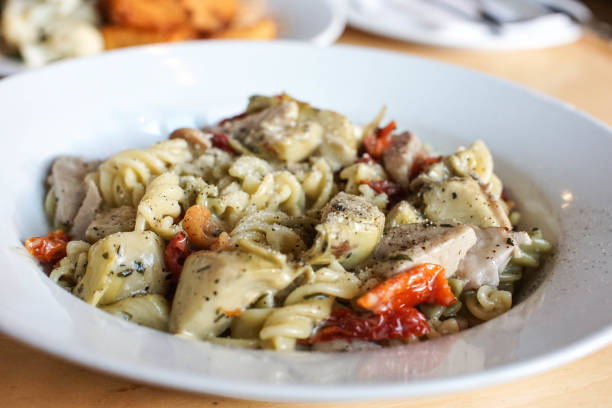
Mercato di Testaccio
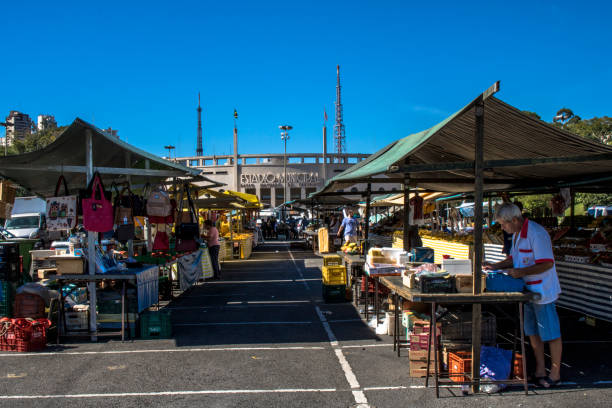
One of the best places in Rome to sample authentic street food without sitting at a restaurant. Specialty: supplì (fried rice balls), fried artichokes, gourmet sandwiches, and Roman-style pizza al taglio. A bustling market where locals shop and snack — lively, authentic, and a genuine glimpse into everyday Roman life.
Historic Trattorias in Testaccio Worth Visiting
- Lo Scopettaro One of Rome’s oldest trattorias, celebrated for Amatriciana and old-world charm
- Perilli Serving traditional Carbonara since 1911, perfected over generations
- Checchino dal 1887 Known for offal specialties (quinto quarto) and an elegant historic setting
- Il Collettivo Gastronomico A modern creative twist on Roman classics, community dining, and contemporary innovation
Trastevere A Food Lover’s Paradise in Rome
Trastevere is one of Rome’s most charming neighborhoods famous for narrow cobblestone streets, lively piazzas, and authentic Roman dining. Ideal for foodies seeking traditional Roman dishes in a vibrant, local atmosphere.
Trattoria da Enzo al 29
Specialty: Carbonara perfection and authentic Roman classics. Outdoor tables let you soak in the quintessential Trastevere atmosphere while savoring their Carbonara made with creamy Pecorino Romano, fresh eggs, and guanciale cooked to perfection.
Roma Sparita
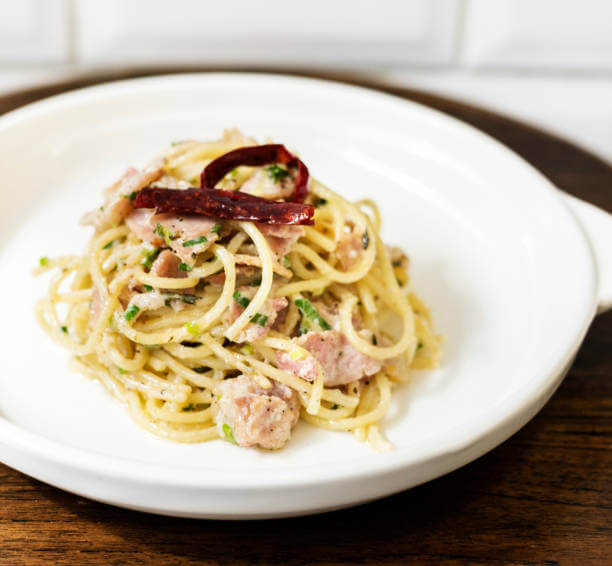
Specialty: Cacio e Pepe a cheese lover’s dream. Featured by Anthony Bourdain, Roma Sparita is celebrated for its Cacio e Pepe that balances Pecorino Romano and pepper to creamy perfection. Simple recipe, unforgettable result.
La Tavernaccia da Bruno
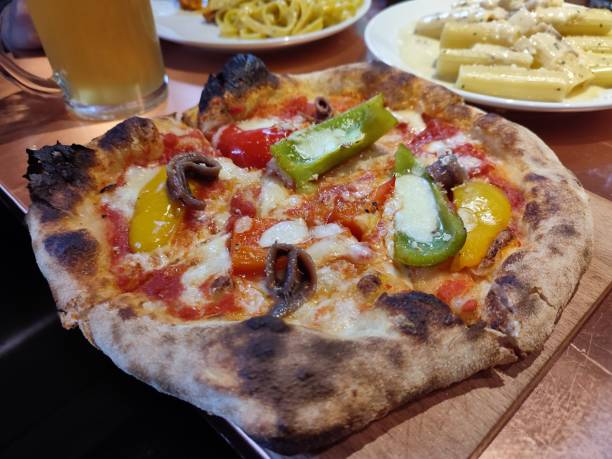
Specialty: Classic wood-fired pizza and traditional Roman dishes. Established in 1968, La Tavernaccia serves Amatriciana and Saltimbocca alla Romana alongside excellent pizza. Warm rustic interior and open kitchen perfect for a hearty dinner with friends or family.
What to Eat in Rome Besides Pasta and Pizza
Rome’s food scene goes far beyond pasta and pizza.If you want to eat like a true local, explore these lesser-known Roman specialties:
- Carciofi alla Giudia Jewish-style deep fried artichokes,crispy golden outside, tender inside. Best in the Jewish Ghetto.
- Maritozzo Sweet brioche bun filled with whipped cream. Rome’s favourite breakfast pastry alongside espresso.
- Trapizzino A triangular pizza pocket stuffed with slow-cooked Roman stews like oxtail or chicken cacciatore.
- Fiori di Zucca Fried zucchini flowers filled with anchovies and mozzarella, a Roman street food classic.
- Grattachecca Rome’s version of shaved ice,topped with fresh fruit syrups. Perfect on hot summer days.
- Abbacchio Tender milk-fed Roman lamb, slow roasted with rosemary and garlic. A Sunday lunch staple.
Ostiense Where Modern Meets Traditional
Osteria Fratelli Mori
Specialty: Roman classics with seasonal twists particularly Artichoke Antipasti and Gricia with Carciofi. Family-run, friendly service, fresh local ingredients. Highly recommended during artichoke season (February–April). Pair your meal with a glass of natural Italian wine.
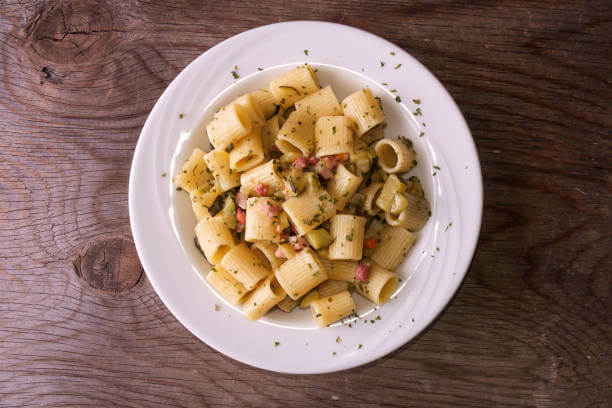
Trattoria Pennestri
Specialty: Seasonal dishes and natural wines. Elevated traditional cuisine with a contemporary twist ideal for foodies wanting something unique in Ostiense. Book ahead for weekend dinners and ask for the chef’s seasonal specials.
Monti Historic Charm and Culinary Delights
Trattoria Vecchia Roma
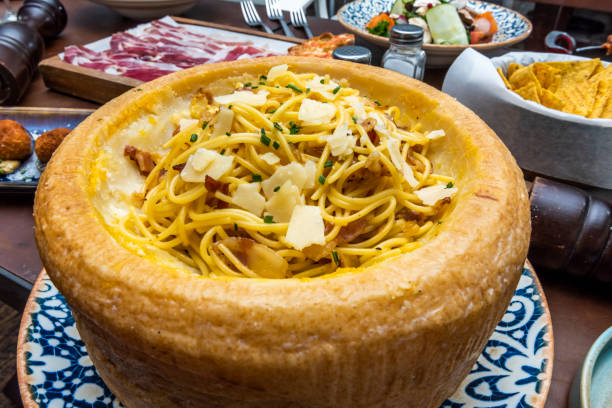
Specialty: Amatriciana and the famous Spaghetti Parmigiana Flambé. A historic trattoria offering classic Roman flavors in the heart of Monti. The pasta flambéed tableside is as entertaining as it is delicious.
Ai Tre Scalini
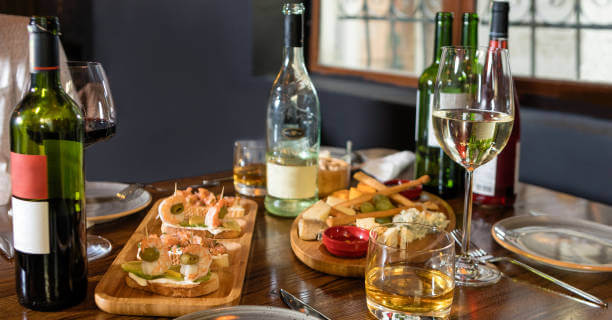
Star of the menu: Buffalo Ricotta with Truffle Honey creamy locally sourced ricotta meets earthy truffle honey. Pair with signature aperitivo platters of artisan cheeses, cured meats, olives, and freshly baked bread. A hidden gem wine bar on a charming cobblestone street, with a chalkboard menu that changes daily. Arrive around sunset for aperitivo hour.
More Rome Neighborhoods Worth Eating In
Da Cesare a Casaletto (Monteverde)
Trattoria Pigneto (Pigneto)
Specialty: Carbonara, Cacio e Pepe, and Porchetta made the authentic way. Also famous for pasta with ‘nduja (spicy Calabrian sausage) a fiery twist on Roman classics. Located in one of Rome’s most creative and youthful districts. Walk-ins welcome on weekdays; reserve for Friday and Saturday evenings.
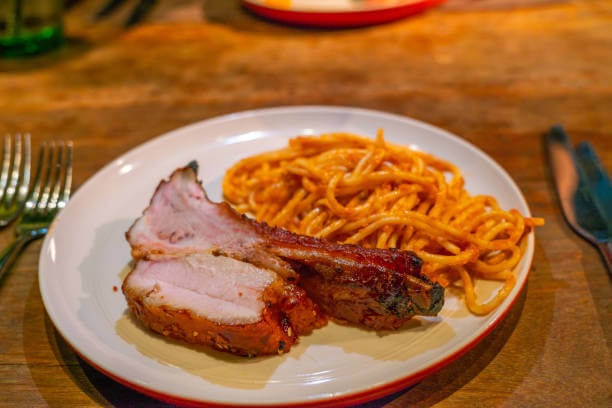
If you’re planning to come on a Friday or Saturday night, a quick reservation ensures you get a good table, especially on the terrace. Italy’s food culture and traditional Roman dishes are widely documented by Italian culinary experts
SantoPalato (San Giovanni)
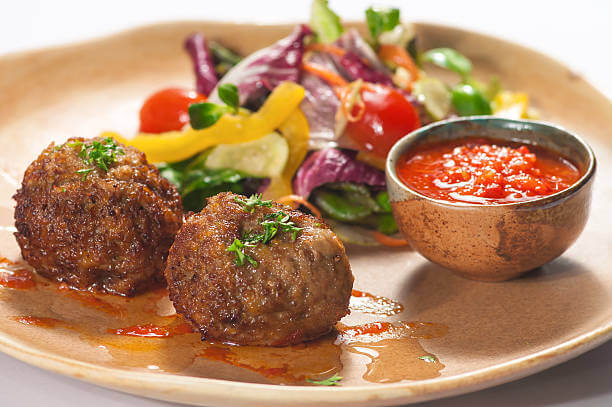
Specialty: Innovative offal dishes like fried oxtail meatballs, alongside classic Cacio e Pepe and Amatriciana. Gained fame through culinary features by Stanley Tucci. Ideal for adventurous eaters exploring authentic Roman cuisine in a modern setting. Reserve ahead fills up fast on weekends
Tram Tram (San Lorenzo)
Specialty: Traditional Roman dishes and Pugliese specialties crispy fried anchovies and the namesake pasta dish. A hidden gem in San Lorenzo, Rome’s most vibrant student neighborhood. Intimate setting, bold flavors, friendly staff. Reserve for dinner the cozy space fills up quickly.
Must-Try Dishes in Rome
When it comes to food in Rome Italy, the Eternal City serves an unforgettable mix of traditional dishes that define Italian comfort food. Here are the must-try foods in Rome, plus where to taste the most authentic versions.
Cacio e Pepe Rome’s Most Iconic Pasta
Cacio e Pepe literally “cheese and pepper” is made with just three ingredients: Pecorino Romano, black pepper, and pasta. The secret is technique: Roman chefs emulsify cheese and pasta water to create a silky sauce without cream or butter.
- Best places to try:
- Da Cesare a Casaletto rich and perfectly balanced
- Felice a Testaccio famous for its tableside toss
Carbonara Traditional vs Tourist Versions
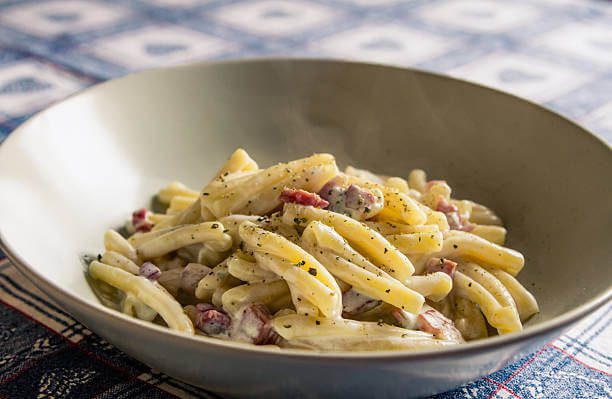
Carbonara combines eggs, guanciale (pork cheek), black pepper, and Pecorino Romano into a rich velvety sauce. No cream. No onions. No bacon.
- Best place: Roscioli Salumeria con Cucina for the iconic authentic version
- Traditional: Eggs, guanciale, Pecorino Romano only
- Tourist version: Uses bacon and cream not authentic
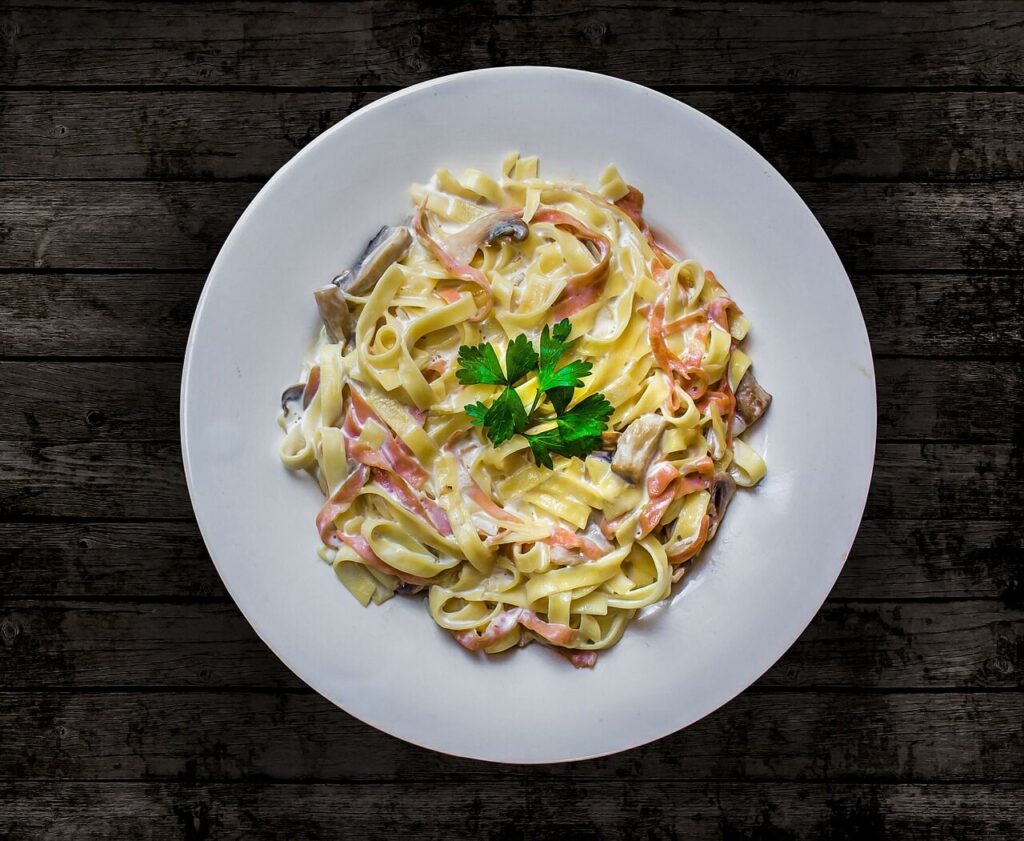
Amatriciana, Supplì and Carciofi alla Romana
- Amatriciana: Bold tomato-based sauce with guanciale, Pecorino Romano, and chili. Best at Trattoria Da Enzo al 29 in Trastevere.
- Supplì: Crispy fried rice balls filled with tomato sauce and melted mozzarella the definitive Roman street food. Best at Antico Forno Roscioli or Supplizio near Campo de’ Fiori.
- Carciofi alla Romana: Tender artichokes slow-cooked in olive oil, garlic, and mint a springtime must. Best at Hostaria Romana or Nonna Betta in the Jewish Ghetto.
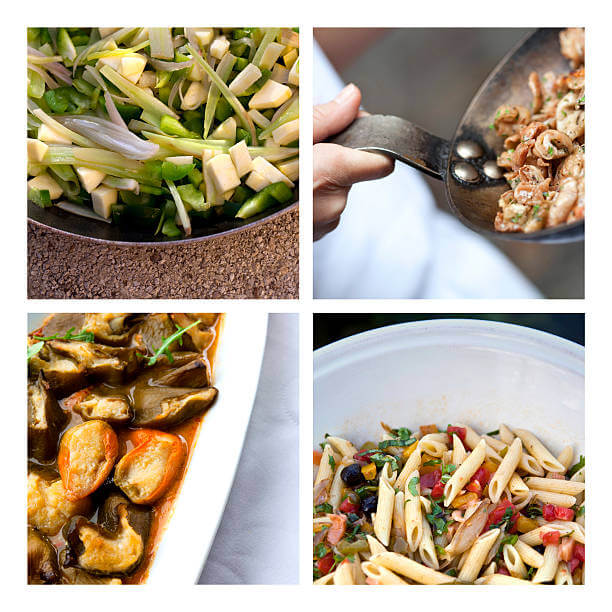
Pizza al Taglio vs Roman Pizza
Rome has two distinct pizza styles:
- Pizza al Taglio pizza by the slice, baked in rectangular trays, sold by weight. Crispy, airy, perfect for eating while walking.
- Roman Pizza thin, round, extra crunchy. The dinner option at local pizzerias.
Best places:
- Emma Pizzeria traditional Roman-style pizza
- Bonci Pizzarium gourmet pizza al taglio
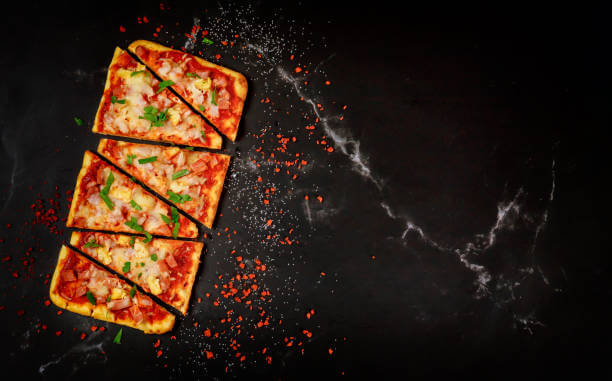
Gelato, Granita and Semifreddo Italian Frozen Desserts
- Gelato creamier and denser than ice cream, made with natural ingredients and less air
- Granita semi-frozen with an icy crystalline texture, refreshing on hot Roman days
- Semifreddo smooth mousse-like frozen dessert, often flavored with coffee or chocolate
Best places:
- Tre Scalini famous for chocolate Semifreddo “Tartufo”
- Gelateria del Teatro handmade gelato with seasonal ingredients
- Neve di Latte organic gelato, one of Rome’s finest
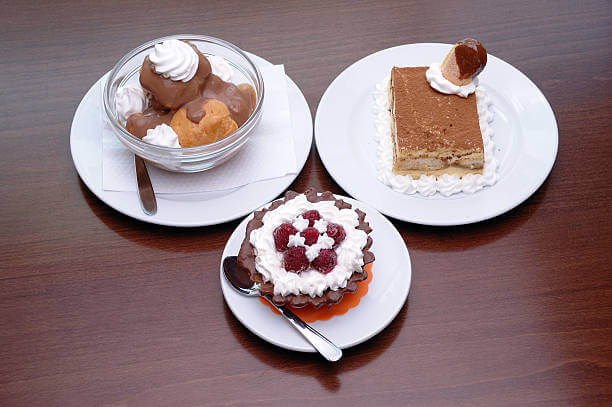
authentic Italian desserts gelato granita semifreddo Roman gelateria
Hidden Food Gems in Rome
The real magic of food in Rome Italy lives in its hidden corners lesser-known trattorias, seasonal markets, and rooftop dining spots where locals truly eat. These are the experiences that reveal the heart of traditional Roman cuisine, far from tourist trails.
Lesser-Known Trattorias Where Locals Really Eat
Skip the crowded tourist restaurants and follow locals to family-run trattorias in Testaccio, Pigneto, and Monteverde. Look for dishes like Rigatoni alla Gricia, Trippa alla Romana, and Polpette al Sugo comforting home-style favorites rarely found on tourist menus.
Recommended hidden gems:
- Trattoria Da Teo authentic Roman dishes and warm hospitality
- Da Enzo al 29 locals’ favorite for Carbonara and Amatriciana
- Cesare al Casaletto beloved for fried gnocchi Cacio e Pepe
Rome’s Best Local Food Markets
Rome’s open-air food markets are treasure troves for travelers seeking authentic Italian produce and street snacks:
- Testaccio Market fresh pasta, artisan cheeses, and supplì sourced locally
- Campo de’ Fiori Market spices, olive oils, and fruits with classic Roman energy
- Mercato Trionfale a true hidden gem where locals shop daily for truffles and handmade pasta
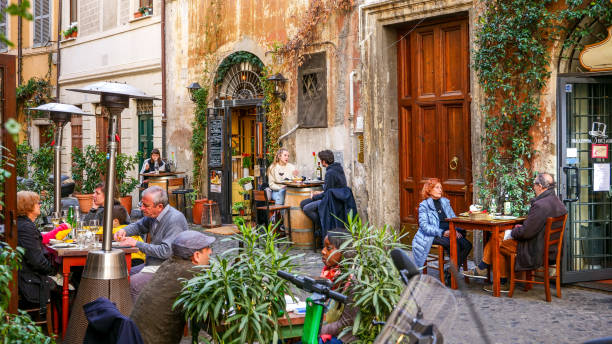
Rooftop Dining with Views of Rome
For an elevated side of eating out in Rome:
- Zuma Rome contemporary rooftop bar perfect for aperitivo with a cosmopolitan twist
- La Pergola 3-Michelin-star restaurant serving local Roman cuisine with gourmet flair
- Terrazza Borromini sunset dining with classic Italian wines and Cacio e Pepe overlooking Rome’s rooftops
Rome Food Tips for Travelers
To enjoy the best food in Rome Italy, follow these expert tips:
- Time your meals correctly arriving at 12:30 PM for lunch and 7:30 PM for dinner ensures full menus and fewer queues
- Avoid menus with photos or tourist prices authentic trattorias have handwritten menus in Italian
- Look for locals, not crowds if most diners are speaking Italian, you are in the right place
- Dine beyond the center venture into Ostiense, Garbatella, and Pigneto for hidden gems serving authentic flavors at lower prices
- Ask for the piatto del giorno the daily special showcases the freshest seasonal ingredients
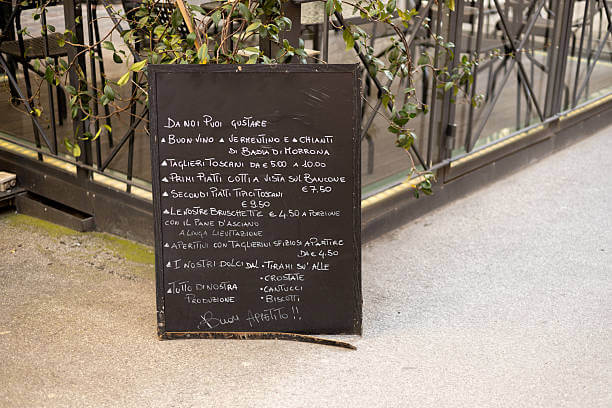
Roman trattoria chalkboard menu piatto del giorno authentic food in Rome ItalyRome’s Most Unusual Traditional Dishes
Beyond the classic pasta dishes, Rome has an adventurous culinary tradition worth exploring:
- Maritozzo sweet brioche bun filled with whipped cream, enjoyed at breakfast with espresso
- Pajata traditional Roman pasta made with milk-fed veal intestines, for adventurous eaters
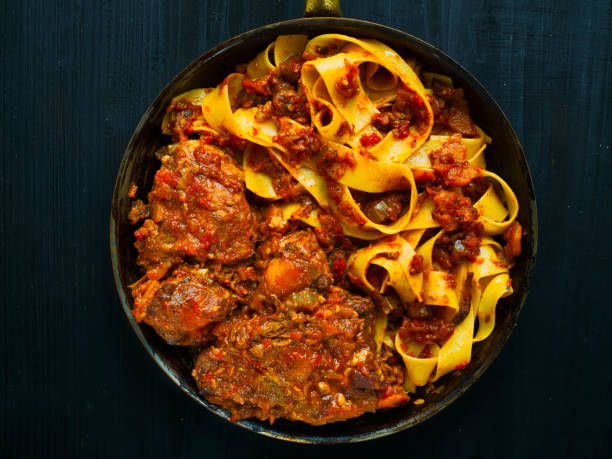
- Coda alla Vaccinara slow-cooked oxtail stew, rich and hearty, found in old-school Testaccio trattorias
Self-Guided Food Walking Routes in Rome
Rome is one of the best cities in the world for exploring food on foot. Many of the most authentic trattorias, bakeries, and street food spots sit within walking distance of each other.
Suggested routes:
- Monti Neighborhood Stroll chic cafés, modern Roman fusion, and rooftop dining spots
- Trastevere Food Trail traditional Roman dishes, aperitivo bars, and local bakeries
- Testaccio Market Walk street food, seasonal ingredients, and local wine tastings
- Campo de’ Fiori to Pantheon Route classic pasta, espresso stops, and hidden gelato gem .Check out our detailed Florence One Day Itinerary for must-see attractions, local eats, and hidden gems.
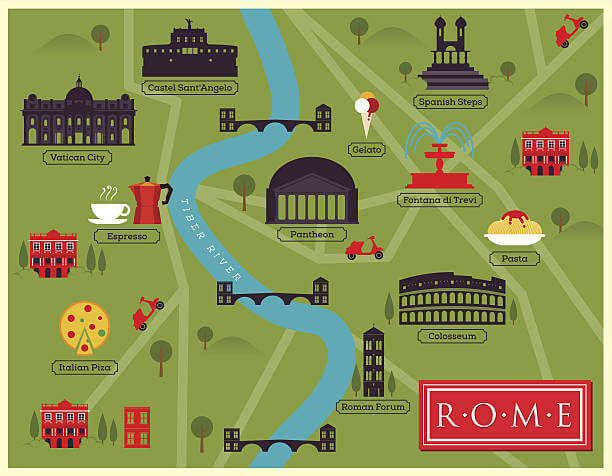
Savor the Timeless Magic of Food in Rome, Italy
Exploring food in Rome Italy is more than a journey for your taste buds it’s a step into centuries of culture, tradition, and passion that make every meal unforgettable. From classic Roman dishes like Cacio e Pepe and Carbonara to hidden trattorias tucked down cobbled lanes, Rome serves flavors that stay with you long after your trip ends. Planning a longer Italian adventure? After exploring food in Rome Italy, head north to Tuscany. Our 2 days in Florence itinerary covers must-see attractions and the best local food in Florence. For more Italian food culture, our Venice travel guide includes the best places to eat in Venice too.
What food is famous in Rome?
Rome is renowned for its four iconic pasta dishes: Carbonara, Cacio e Pepe, Amatriciana, and Gricia. These dishes reflect the city’s rustic culinary roots, using simple ingredients like Pecorino Romano, guanciale, and black pepper. Cacio e Pepe, in particular, is a must-try for its creamy texture without cream just cheese and pasta water magic
What do Romans eat for breakfast?
A traditional Roman breakfast is light and sweet. Locals typically enjoy a cornetto with cappuccino at a neighborhood bar. Unlike hearty American breakfasts, Roman mornings are about quick bites and social rituals.
Where do locals eat in Rome?
Locals avoid tourist traps and dine in trattorias and osterias tucked into quieter neighborhoods like Testaccio, Trastevere, and San Lorenzo. Favorites include Da Enzo al 29, Felice a Testaccio, and Armando al Pantheon for authentic Roman fare.
What is a typical Roman dinner?
Roman dinners often begin with antipasti like fried zucchini flowers or supplì, followed by a primo (pasta), then a secondo like Saltimbocca alla Romana or Abbacchio . Meals are paired with local wines and end with Tiramisù or gelato.
How much does food cost in Rome?
A typical meal in Rome ranges from €10–€25 per person at casual eateries. Street food like pizza al taglio or trapizzino costs around €3–€5, while fine dining can exceed €50. Budget travelers can eat well without overspending.
What is the most popular street food in Rome?
Rome’s street food scene is dominated by pizza al taglio (pizza by the slice), supplì and trapizzino These are fast, flavorful, and deeply local.