20+Unusual Things to Do in Rome: Hidden Gems & Unique Experiences

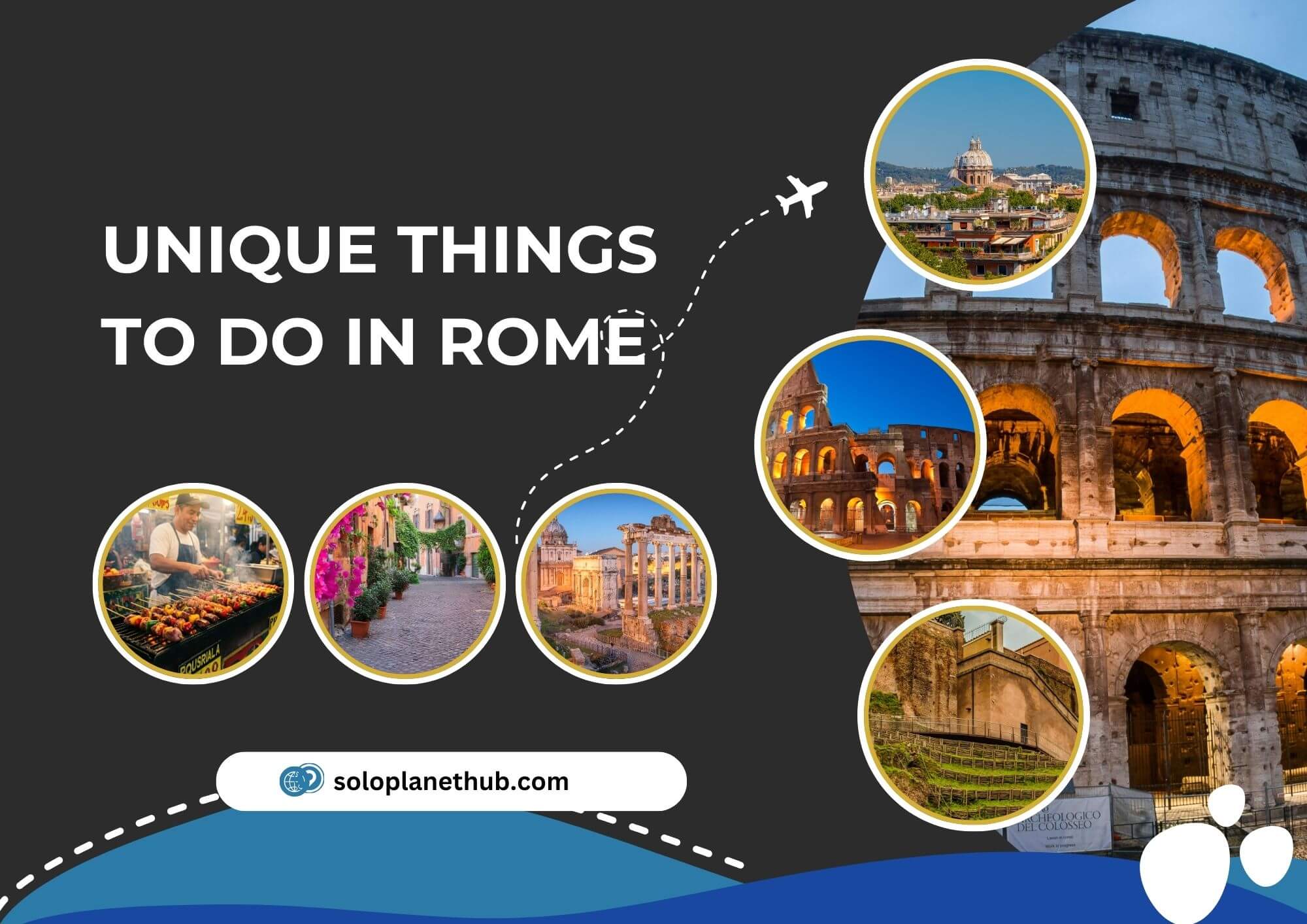
Rome is famous for iconic landmarks like the Colosseum, the Vatican, and the Trevi Fountain. But beyond these famous attractions lies a fascinating side of the Eternal City that most tourists never discover.
From secret viewpoints and ancient ruins hidden from crowds to quirky museums and authentic neighborhoods, there are many unusual things to do in Rome that reveal the city’s true character. If you’re also planning to visit Tuscany, check out our guide to unusual things to do in Florence.
Whether you’re looking for hidden gems, local food experiences, or unique historic sites, this guide will help you explore Rome beyond the typical tourist itinerary.
Table of Contents
Top Unusual Things to Do in Rome
Capuchin Crypt Rome’s Bone Chapel
Hidden beneath Santa Maria della Concezione dei Cappuccini church lies one of Rome’s most unusual attractions. The Capuchin Crypt is decorated with the bones of more than 3,000 monks arranged into intricate patterns and chandeliers. For full trip planning itineraries, food, and where to stay see our Rome travel guide.
Why it’s unusual:
- Human bones used as artistic decoration
- Unique religious symbolism about life and death
Aventine Keyhole Rome’s Secret View
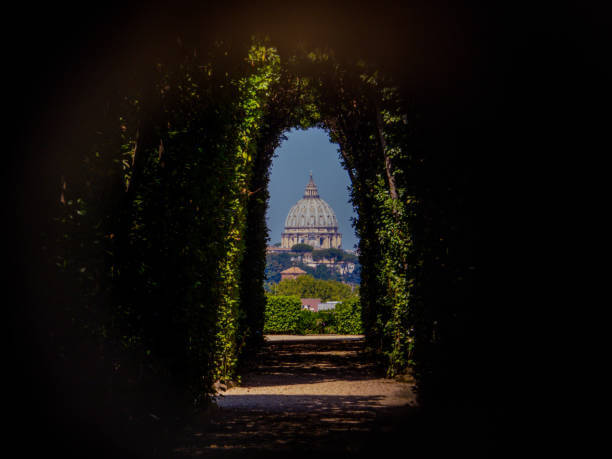
One of the most fascinating hidden gems in Rome is the Aventine Keyhole. When you look through the keyhole of the Knights of Malta gate, you’ll see a perfectly framed view of St. Peter’s Basilica.
Quartiere Coppedè Rome’s Fantasy Architecture
This tiny neighborhood feels like stepping into a fantasy movie. It blends Art Nouveau, medieval, and gothic styles into surreal architecture. Travelers interested in historic landmarks should read our Florence landmarks guide.
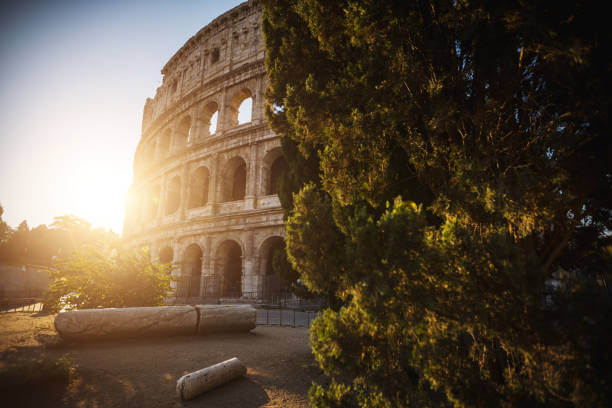
The Colosseum Rome’s Iconic Amphitheater
No trip to Rome is complete without visiting the Colosseum, the largest amphitheater ever built and one of the Seven Wonders of the Modern World. Over 2,000 years old, this architectural marvel once hosted gladiatorial battles, wild animal hunts, and grand spectacles for tens of thousands of spectators. If you’re searching for truly unique things to do in Rome, this guide takes you beyond the tourist traps and into the real heart of the Eternal City
- Why Visit: It’s the ultimate symbol of ancient Rome and a UNESCO World Heritage Site.
- Insider Tip: Book tickets online in advance to skip long queues. Consider a Colosseum Underground Tour for access to hidden chambers and tunnels.
Palatine Hill
Step back into history at Palatine Hill and the Roman Forum, the epicenter of political, social, and religious life in ancient Rome.
- Highlights: Explore ruins of temples, basilicas, and imperial palaces. Stroll through the beautiful gardens of Palatine Hill for panoramic views of the city.
- Pro Tip: Combine your visit with the Colosseum for a full-day ancient Rome experience.
Pantheon An Architectural Masterpiece
Built between 27–25 BC, the Pantheon is one of the best-preserved monuments of ancient Rome. Its massive dome and oculus remain engineering marvels even today.
- Why Visit: Originally a Roman temple, now a Catholic church, it offers a unique blend of history and spirituality.
- Insider Tip: Visit early morning for fewer crowds and stunning light streaming through the oculus.
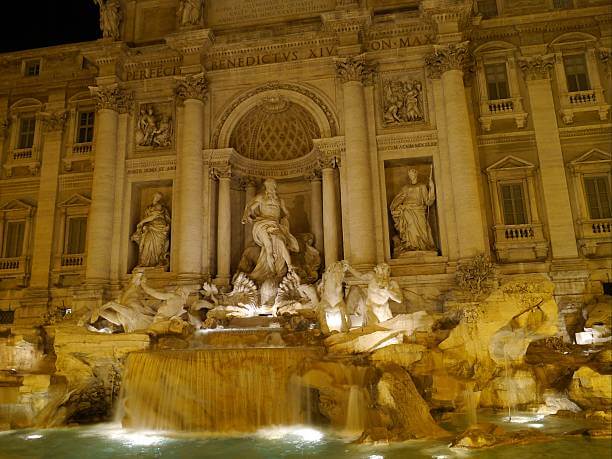
Trevi Fountain Rome’s Baroque Jewel
The Trevi Fountain, an 18th-century masterpiece, is one of the most photographed spots in Rome.
- Why Visit: Toss a coin to ensure your return to Rome a tradition loved by travelers worldwide.
- Fun Fact: The fountain is 26 meters high and 49 meters wide, making it the largest Baroque fountain in the city.
- Insider Tip: Visit at dawn or late night for magical photos without crowds.
Vatican City A World of Art and Faith
The smallest country in the world, Vatican City is home to some of the most significant religious and artistic treasures.
- Must-See:
- St. Peter’s Basilica: Climb the dome for breathtaking views.
- Sistine Chapel: Marvel at Michelangelo’s ceiling frescoes.
- Vatican Museums: Explore galleries filled with Renaissance masterpieces.
- Pro Tip: Book a skip-the-line Vatican tour and allocate at least half a day for a complete experience.
estaccio The Local Foodie Paradise
Testaccio, historically a working-class district, is now Rome’s culinary soul where tradition meets modern flavor.
- Why it’s unique: Fewer tourists, more locals. You’ll find traditional trattorias, contemporary food stalls, and bold street art. Visit Campo de’ Fiori Market for fresh produce and local delicacies
- Don’t miss:
- Testaccio Market: Grab pizza al taglio from Casa Manco, fresh pasta from local vendors, and seasonal produce from Roman farmers.
- Tram Depot Café: By day, a retro kiosk serving espresso, juices, and cornetti by night, a chic spot for aperitivo .
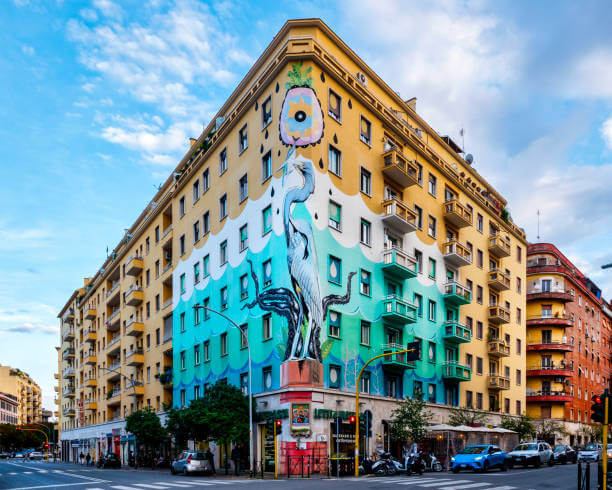
- Street Art on Via delle Conce: Vivid murals that nod to sustainability and Roman culture add color to the neighborhood.
- Pro Tip: Visit late morning to beat lunch crowds and stroll up Monte dei Cocci, an ancient hill made of amphora shards a fascinating reminder of Rome’s trade history.
Trastevere Bohemian Charm & Nightlife
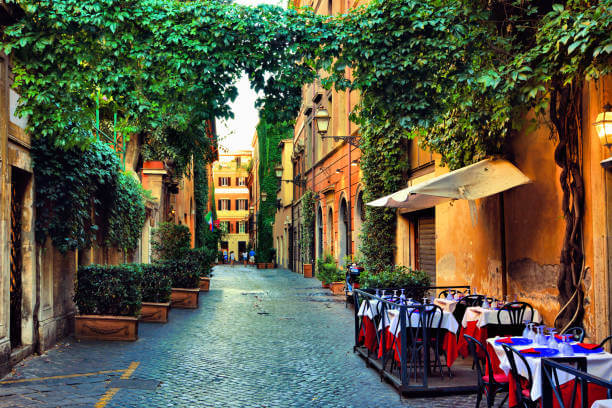
Trastevere is one of the most unique places to visit in Rome, known for its narrow cobblestone streets, ivy-covered medieval buildings, artisan shops, and buzzing nightlife.
Located on the west bank of the Tiber River, this charming neighborhood offers a perfect mix of authentic Roman culture, historic landmarks, and hidden culinary gems.
Baths of Caracalla
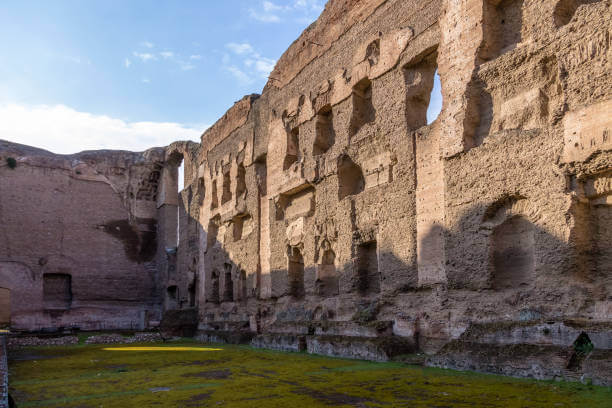
The Baths of Caracalla are one of the most spectacular archaeological sites in Rome, offering a glimpse into the luxurious lifestyle of ancient Romans. Built between 212 and 216 AD under Emperor Caracalla, this massive complex was more than a bathhouse it was a social and cultural hub where citizens gathered to relax, exercise, and network.
Why It’s Unique
- Size & Scale: The baths could accommodate up to 6,000 people at once, making them one of the largest public bathing complexes in the Roman Empire.
- Architectural Marvel: The ruins feature towering walls up to 40 meters high, intricate mosaics, and remnants of vast pools and gymnasiums.
- Advanced Engineering: The hypocaust heating system used to warm floors and water is a testament to Roman innovation.
What to See
- Mosaic Floors: Look for fragments of colorful geometric patterns that once adorned the floors.
- Swimming Pools & Saunas: Imagine the grandeur of the caldarium (hot bath), frigidarium (cold bath), and natatio (swimming pool).
- Underground Tunnels: These service corridors reveal how water and heat were managed in ancient times.
See the famous feral cats at Torre Argentina:
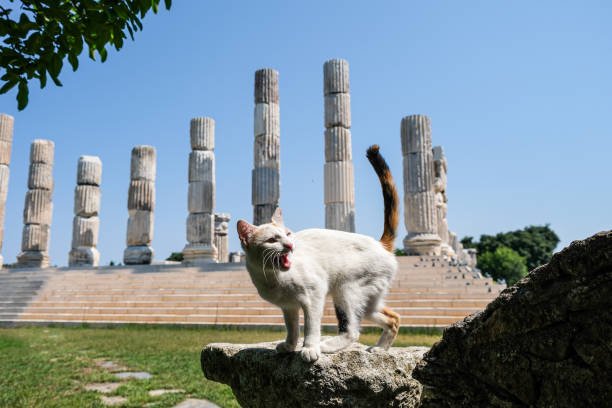
For a truly unique Roman experience, head to Largo di Torre Argentina, an archaeological site that blends history with heartwarming charm. This sacred area, dating back to the Republican era, is home to four ancient temples and the remains of Pompey’s Theatre where Julius Caesar was famously assassinated. Today, it has an unexpected twist: it’s a sanctuary for Rome’s beloved feral cats.
Why It’s Special
- Historic Significance: Walk among ruins that witnessed pivotal moments in Roman history.
- Cat Sanctuary: The site is now a haven for hundreds of stray cats cared for by volunteers. Visitors can watch cats lounging on marble steps and sunbathing among ancient columns a surreal mix of past and present.
- Animal Welfare: The sanctuary offers adoption programs and accepts donations to support its mission.
What to Do
- Observe & Photograph: Capture the contrast of sleek cats against centuries-old ruins perfect for Instagram.
- Visit the Sanctuary: Located below street level, the volunteer-run shelter welcomes visitors who want to learn more or contribute.
- Combine Attractions: Torre Argentina is close to Campo de’ Fiori and Pantheon, making it easy to include in your walking itinerary. You can also explore archaeological information on the official Colosseum Park website.
Insider Tips
Accessibility: Easily reached on foot from Piazza Venezia or via tram lines.
Best Time to Visit: Late morning or early afternoon when cats are most active.
Support the Cause: Buy souvenirs or donate to help the sanctuary continue its work.
Explore Rome’s Most Authentic Neighborhoods
Authentic Trattorias Serving the Best Cacio e Pepe
One of the most unique things to do in Rome is indulging in Trastevere’s traditional pasta dishes. The area is home to dozens of family-run trattorias where recipes have been passed down for generations.
- Try the legendary Cacio e Pepe, a creamy and peppery Roman classic.
- Visit Da Enzo al 29, one of Rome’s most loved trattorias, famous for its handmade pasta, fresh ingredients, and true old-school Roman atmosphere.
- Wander the side streets you’ll find hidden eateries serving carbonara, amatriciana, and seasonal specialties that tourists rarely discover.
These food experiences are perfect for travelers who want genuine Roman flavors away from tourist traps.
Belvedere del Gianicolo The Best Sunset Viewpoint in Rome
Just a short walk (or climb) from Trastevere lies Belvedere del Gianicolo, one of Rome’s most breathtaking panoramic viewpoints.
- Enjoy sweeping views of the Eternal City, including St. Peter’s Basilica, the Pantheon dome, and Rome’s golden skyline.
- This spot is ideal for golden hour photography, romantic moments, and quiet reflection away from busy city streets.
Freni e Frizioni The Trendiest Aperitivo Spot by the River
If you want to experience Rome’s nightlife like a local, head to Freni e Frizioni, one of Trastevere’s coolest bars.
- Known for craft cocktails, artistic interiors, and an energetic atmosphere.
- Their aperitivo buffet offers everything from salads to finger foods perfect before a night of exploring.
- Sit outside facing the Tiber River and enjoy people-watching as the neighborhood comes alive.
This riverside bar offers a perfect mix of creativity, culture, and community, making it one of the best unique things to do in Rome at night.
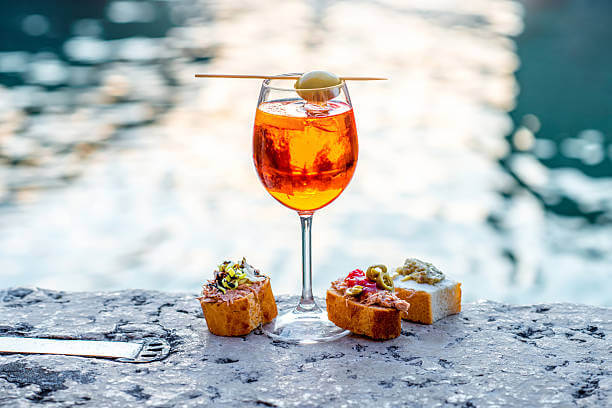
Pigneto Rome’s Multicultural Hub
Pigneto is a creative, multicultural district known for its street art and eclectic food scene.
- International Cuisine: From Lebanese falafel to African stews, Pigneto offers flavors beyond traditional Italian.
- Street Art and Local Cafés: Wander through colorful murals and sip espresso at indie cafés like Necci dal 1924.
- Aquedotto Claudio & Parco degli Aquedotti: Escape the city buzz with serene walks under ancient aqueducts.
San Lorenzo Student Energy & Street Art
San Lorenzo is youthful and edgy, thanks to its proximity to Sapienza University.
- Budget-Friendly Bars: Enjoy Aperol Spritz for as little as €4 in casual student hangouts.
- Murals and Graffiti Art: The walls here are a canvas for local artists perfect for urban photography.
- Close to Termini Station: Convenient for travelers seeking a quick taste of Rome’s alternative vibe.
Monti Rome’s Trendy Yet Historic Quarter
Monti is a charming neighborhood that blends ancient ruins with hip boutiques and cozy wine bars. It’s one of Rome’s oldest districts, yet full of modern energy. Perfect for travelers who want history with a touch of style. Highlights:
- Teatro Marcello: Often called the “mini Colosseum,” this ancient amphitheater predates the Colosseum and offers a quieter, less touristy experience.
- Boutique Shopping: Monti is known for artisan shops and vintage stores ideal for unique souvenirs.
Insider Tip: Pair your visit with a coffee at a local café and explore hidden courtyards for Instagram-worthy shots.
Jewish Ghetto A Culinary and Cultural Gem
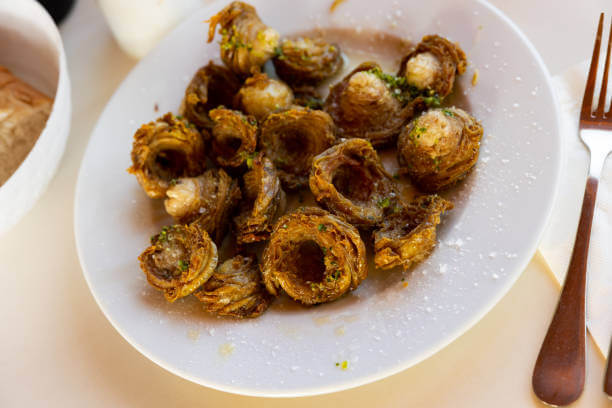
The Jewish Ghetto is one of Rome’s most atmospheric areas, rich in history and authentic flavors. It’s home to centuries-old traditions, unique architecture, and some of the best food in Rome.
- Isola Tiberina: A picturesque island on the Tiber River, perfect for a scenic stroll.
- Cobbled Alleys: Wander through narrow lanes filled with history and charm.
- Street Food Tours: Taste Roman-Jewish specialties like carciofi alla giudia and filetti di baccalà .
Insider Tip: Book a guided food tour to learn the stories behind these dishes and explore hidden corners of the Ghetto.
Aventino & San Saba Peaceful Roman Retreats
Aventino offers tranquility and breathtaking views, far from the tourist crowds.
- Giardino degli Aranci for Panoramic Views: A serene garden overlooking Rome’s rooftops ideal for sunset lovers.
- Buco della Serratura for the Famous Keyhole View: Peek through the keyhole for a perfectly framed view of St. Peter’s Dome a magical photo opportunity.
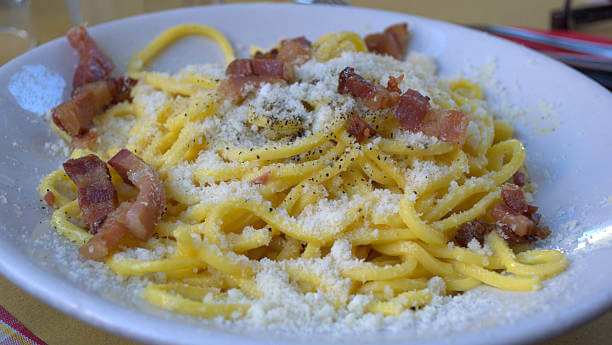
Unique Food Experiences in Rome
Rome isn’t just a city of history it’s a culinary paradise where every meal tells a story. From traditional pasta dishes to artisanal gelato and vibrant aperitivo culture, food in Rome is an experience you’ll never forget.
Classic Roman Dishes You Must Try
Roman cuisine is simple yet rich in flavor, rooted in tradition and local ingredients.
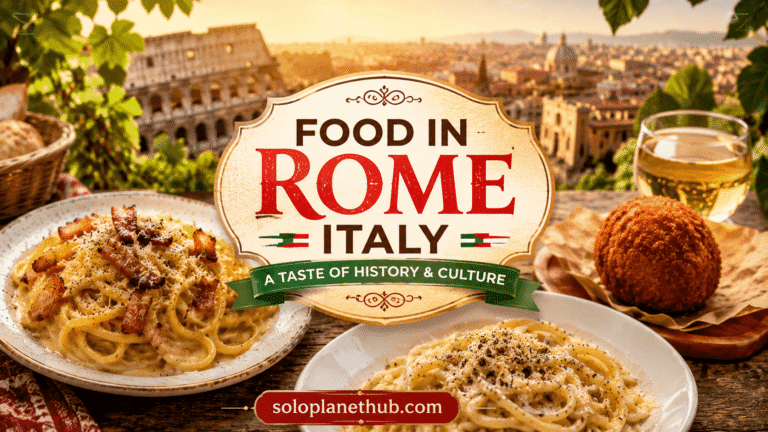
- Cacio e Pepe: A creamy pasta made with Pecorino Romano cheese and black pepper pure Roman comfort food.
- Carbonara: A silky mix of eggs, Pecorino Romano, guanciale , and black pepper.
- Amatriciana: Tomato-based pasta with guanciale and Pecorino Romano, originating from the town of Amatrice.
Insider Tip: Head to neighborhoods like Testaccio or Trastevere for authentic trattorias that serve these dishes without tourist traps.
Gelaterias Sweet Treats with a Twist
Rome’s gelato scene is legendary, but to truly savor the experience, skip the neon-colored tourist traps and head to artisanal gelaterias that prioritize quality and tradition.
Why Choose Artisanal Gelato?
Authentic gelato is made with fresh, natural ingredients, without artificial colors or preservatives. The texture is creamy, the flavors are rich, and the experience is unforgettable.
Top Pick: Panna & Co
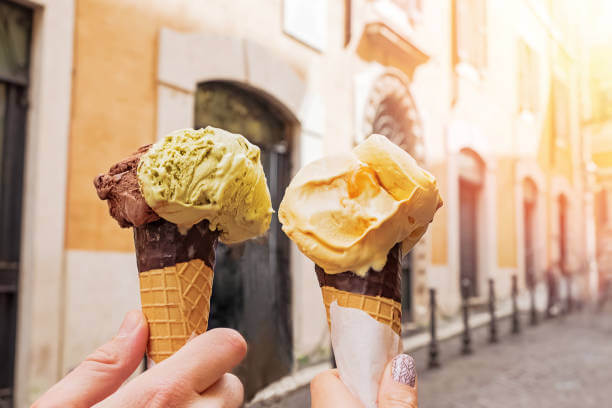
One of Rome’s most beloved gelaterias, Panna & Co is famous for its creative flavors:
- Ricotta with Fig Jam: A perfect balance of sweet and tangy.
- Pistachio from Bronte: Made with premium Sicilian pistachios for an intense, nutty taste.
- Seasonal Specials: Look out for limited-edition flavors featuring local fruits and herbs.
Pro Tips for Finding the Best Gelato
- Look for Stainless Steel Tubs: Authentic gelato is stored in covered metal containers, not overflowing plastic tubs.
- Muted Colors = Natural Ingredients: Bright neon colors often mean artificial additives. Real pistachio gelato is pale green, not bright green.
- Ask for Seasonal Flavors: True artisans use fresh, in-season produce for their recipes.
Food Tours Taste Rome Like a Local
Join a guided food tour to uncover hidden culinary gems in neighborhoods like Testaccio and Monti.
- Why It’s Worth It: Learn the history behind dishes, meet local vendors, and sample everything from supplì (fried rice balls) to trapizzino .
- Pro Tip: Book evening tours for a mix of street food and aperitivo stops.
Aperitivo Rome’s Evening Ritual
Aperitivo is more than a drink it’s a cultural experience.
What to Order: Aperol Spritz, Negroni, or a glass of local wine paired with olives, bruschetta, and cured meats.
Pro Tip: Arrive around 6–8 PM for the best atmosphere and sunset views.
Where to Go: Rooftop bars for panoramic views or riverside cafés in Trastevere for a bohemian vibe.
Shopping in Rome Vintage & Local Markets
Rome is not only a city of history and art it’s also a shopping haven where you can find everything from luxury Italian fashion to quirky vintage treasures and handmade artisan goods. Whether you’re looking for a designer handbag, a unique souvenir, or a piece of Roman history, the city’s markets and boutiques have something for everyone.
Vintage Clothing Stores in Monti and Trastevere
If sustainable fashion and one-of-a-kind pieces excite you, head to Monti, Rome’s coolest neighborhood for vintage shopping.
- Why Monti? This district is full of boutique stores offering curated collections of retro clothing, leather jackets, and accessories.
- Top Picks:
- Pifebo: Known for its eclectic mix of vintage jackets, boots, and denim.
- Humana Vintage: Affordable finds with a charitable twist.
Insider Tip: Visit on weekends when Monti hosts Mercato Monti, a pop-up market featuring local designers and artisans.
Rome is More Souvenir Shop with a Twist
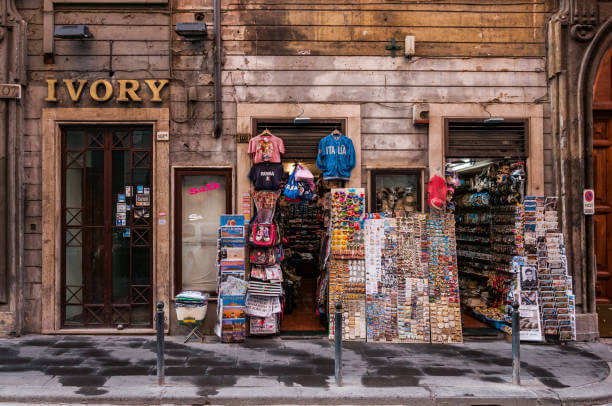
If you’re tired of the same old souvenir stalls selling generic magnets and mass-produced trinkets, Rome is More is the perfect alternative. This modern concept store puts a fresh, creative spin on Roman culture, offering gifts that blend humor, design, and authenticity. It’s a must-visit spot for travelers who appreciate thoughtful, well-designed souvenirs that actually mean something.
What You’ll Find
Creative T-shirts with Roman slang & humor
Rome is More is known for its witty, eye-catching T-shirts featuring Roman slang, local expressions, and humorous quotes. They’re stylish enough to wear back home and make great conversation starters for anyone who loves language and culture.
Illustrated maps & art prints
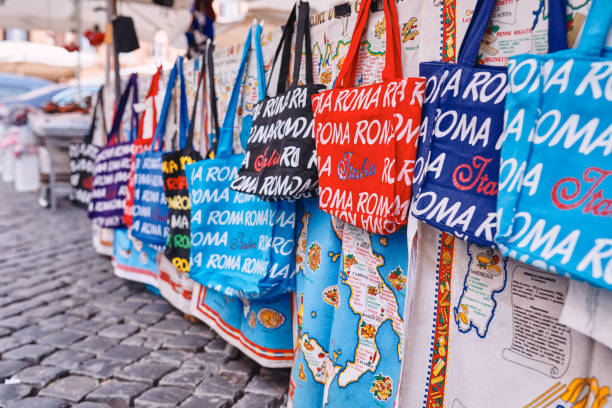
Design lovers will enjoy the shop’s collection of beautifully illustrated maps, minimalist art prints, and graphic posters inspired by Rome’s neighborhoods, architecture, and history. These pieces make perfect wall art or memorable travel keepsakes.
Eco-friendly totes, stationery & décor
The store also offers a range of eco-friendly tote bags, creative stationery, notebooks, postcards, and modern home décor items all with a playful Roman twist. Everything here feels curated, original, and crafted with intention.
Pro Tip
This is the ideal place to buy stylish, authentic, and non-touristy gifts for friends, family, or even yourself. If you want a souvenir that doesn’t scream “tourist shop,” Rome is More should be at the top of your list.
Local Artisan Markets Handmade Decor & Ceramics
Rome’s local artisan markets are true treasure troves for travelers looking to bring home something authentic. From beautifully handcrafted ceramics and unique jewelry to handmade home décor, these markets showcase the skills of local artists and craftsmen. They’re the perfect places to find souvenirs that feel personal and meaningful far from the mass-produced items found in tourist shops.
Where to Go
Mercato Monti
Located in the trendy Monti district, Mercato Monti is one of Rome’s coolest indoor markets. It features a curated selection of independent designers, artists, and craftspeople, offering everything from handmade jewelry and leather accessories to contemporary art and stylish décor items. It’s ideal for shoppers looking for modern, creative pieces that still reflect Rome’s artistic heritage.
Porta Portese Flea Market
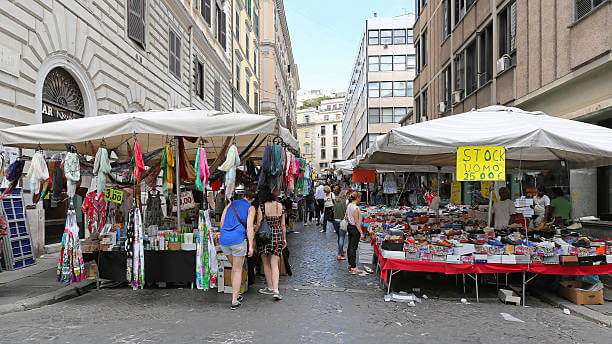
Every Sunday morning, Rome hosts its largest and most iconic flea market Porta Portese. This sprawling market is a paradise for lovers of vintage furniture, antiques, old books, retro decor, and collectible treasures. It’s the kind of place where you can spend hours browsing and still feel like you haven’t seen everything.
Insider Tip
Bring cash, as many small vendors don’t accept cards. Arrive early in the morning for the best deals and the most unique finds. Bargaining is common just make sure to do it politely and respectfully, as vendors appreciate friendly negotiation.
Fun Activities & Unique Experiences in Rome
Exploring Rome by e-scooter is one of the quickest and most enjoyable ways to see the city. Services like Lime, Bird, and Dott let you zoom through narrow streets, avoid traffic, and discover hidden corners that most tourists miss. It’s budget-friendly, flexible, and perfect for short-distance sightseeing. Planning a Florence visit too? Don’t miss
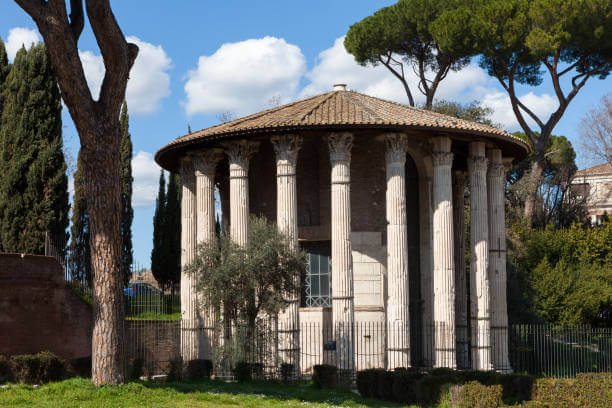
Visit the Temple of Hercules Victor:
Step back into ancient history with a visit to the Temple of Hercules Victor, one of Rome’s most fascinating hidden landmarks. Built in the 2nd century BC, this circular temple is the oldest surviving marble building in Rome and a must-see for history lovers.
Enjoy rooftop bars for stunning views and sunsets:
Rome is filled with scenic rooftop bars that offer sweeping, panoramic views of the city’s historic skyline from ancient domes and medieval bell towers to glowing terracotta rooftops. These elevated spots are the perfect place to unwind after a long day of exploring.
Whether you’re in the mood for a sunset cocktail, a glass of Italian wine, or a light aperitivo, Rome’s rooftop bars deliver a magical atmosphere that blends great drinks with unforgettable scenery. Many of the best rooftops are located near Piazza Navona, Monti, and the city center, giving you front-row seats to golden-hour views over iconic landmarks like St. Peter’s Basilica and the Pantheon.
As the sun sets, the city transforms warm lights flicker on, the sky turns shades of pink and gold, and the whole scene becomes a picture-perfect moment. These rooftops offer comfortable seating, ambient lighting, and a relaxed vibe, making them ideal for couples looking for a romantic evening, solo travelers seeking a peaceful break, and groups wanting a memorable night out.
Practical Tips for Visiting Rome
Planning a trip to the Eternal City becomes much easier when you understand the local rhythm, weather patterns, and transportation system. Whether you’re exploring iconic landmarks or searching for unique things to do in Rome, these practical tips will help you travel smarter and avoid common tourist mistakes.
✔ Best Time to Visit Rome
The ideal seasons to explore Rome are spring (April–June) and autumn (September–October).
These months offer:
- Comfortable temperatures for walking tours
- Fewer crowds compared to summer
- Better hotel rates
- Clear skies for outdoor photography
Avoid July and August, as the heat can be intense (35–40°C), many locals leave the city, and prices increase.
✔ Best Neighborhoods to Stay In
Rome has countless charming districts, but these three offer the perfect balance of culture, convenience, and local character:
• Testaccio
• Trastevere
• Monti
✔ Transportation in Rome
Rome is surprisingly walkable, but combining a few transportation options saves time and money:
- Walking: Best way to explore narrow alleyways, piazzas, and hidden gems
- Electric Scooters: Lime, Bird & Dott are fast, cheap, and ideal for short distances
- Bikes: Great for parks like Villa Borghese and the Appian Way
- Public Transit (Metro, Tram, Bus): Useful for reaching the Vatican, Colosseum & suburbs
- Avoid rental cars: Old streets, restricted zones (ZTL), and limited parking make driving difficult For updated routes, metro timings, and bus schedules, visit the
✔ Recommended Duration
While many tourists rush Rome in 48 hours, to fully enjoy both the top attractions and the lesser-known experiences, stay at least 5 days.
Breakdown:
- 2 days – Colosseum, Vatican, Pantheon, Trevi Fountain
- 1 day – Trastevere + Gianicolo Hill
- 1 day – Hidden gems like Ostia Antica, Appian Way, Domus Aurea
- 1 day – Tivoli, Testaccio, local markets, rooftop bars
More days = deeper cultural immersion + better photography opportunities.
✔ Book Tickets in Advance
Rome’s most popular attractions still sell out quickly, especially during tourist seasons.
Make sure to pre-book: To avoid long queues, you can book official tickets directly from the
- Colosseum + Roman Forum + Palatine Hill
- Vatican Museums + Sistine Chapel
- Borghese Gallery (mandatory reservations)
- Domus Aurea guided tour
Booking online saves you hours of waiting and ensures you don’t miss major experiences.
Savor the Flavors of Rome
Rome isn’t just a city of ancient ruins and stunning architecture it’s a paradise for food lovers. From traditional Cacio e Pepe in cozy trattorias to vibrant street markets like Testaccio Market, every corner offers a taste of authentic Roman cuisine. Don’t forget to indulge in creamy gelato, freshly baked pizza, and the countless culinary surprises waiting off the beaten path.
Whether you’re a foodie exploring hidden gems or a traveler discovering local flavors for the first time, Rome promises a gastronomic journey you’ll never forget. Make sure to plan your culinary adventures alongside your visits to iconic attractions like the Colosseum and Vatican Museums, and check out our complete Rome travel guide for more tips on eating and exploring like a local
What are some unique things to do in Rome
Explore hidden gems like the Aventine Keyhole, stroll through Testaccio Market for authentic street food, bike along the Appian Way, and visit the Baths of Caracalla with a VR tour for an immersive experience
What are the best hidden gems in Rome?
Top hidden gems include Giardino degli Aranci (Orange Garden), Quartiere Coppedè for whimsical architecture, Piramide di Caio Cestio, and the cat sanctuary at Largo di Torre Argentina.
Where can I find unusual attractions in Rome?
Check out the Capuchin Crypt for its eerie bone decorations, explore underground layers at Basilica di San Clemente, and visit the Non-Catholic Cemetery where poets like Keats rest.
What are the best neighborhoods to explore in Rome?
Testaccio for food lovers, Trastevere for bohemian vibes, Monti for boutique shopping, and Pigneto for street art and multicultural dining.
What are some authentic food experiences in Rome?
Try classic dishes like Cacio e Pepe and Carbonara in local trattorias, join a food tour in Testaccio, sample artisanal gelato at Panna & Co, and enjoy aperitivo at rooftop bars.
Where can I enjoy the best views in Rome?
Head to Belvedere del Gianicolo for panoramic sunsets, Giardino degli Aranci for peaceful city views, and rooftop bars like Terrazza Borromini for a luxury experience.
What are the most unique historical sites in Rome?
Visit Terme di Caracalla for ancient baths, Teatro Marcello for a quieter alternative to the Colosseum, and the Temple of Hercules Victor the oldest surviving marble building in Rome.