
Where to Stay in Venice: 6 Best Areas for Every Travel Style

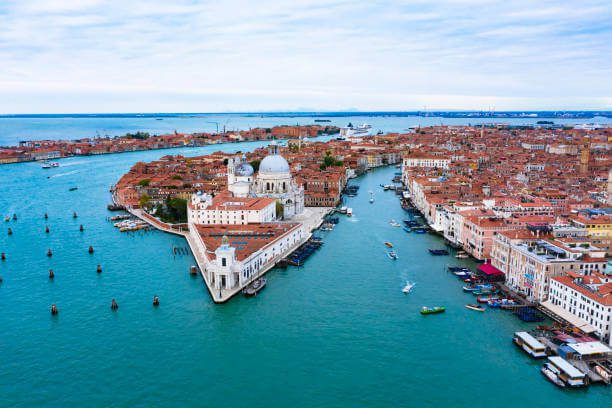
Venice is one of the most unique cities in the world. Built across 118 small islands connected by more than 400 bridges, the city has no roads or cars only canals, narrow alleyways, and water buses called vaporetti. If you are planning a longer Italy trip, also read our guide to Rome in 2 Days Itinerary and the complete Venice Travel Guide.
Choosing the right area to stay in Venice can completely shape your trip. Some neighborhoods are lively and central, while others feel quiet, local, and far removed from the tourist crowds. Whether you are visiting Venice for the first time, planning a romantic getaway, traveling on a budget, or searching for the best local atmosphere, picking the right sestiere matters.
This detailed guide explains the best areas to stay in Venice, including San Polo, Dorsoduro, Cannaregio, San Marco, Castello, and Santa Croce. You will learn which neighborhood suits your travel style, where to stay for easy transport connections, where to avoid tourist traps, and which areas offer the best balance of location, atmosphere, and value.
Table of Contents
Venice Neighborhoods at a Glance: Quick Comparison
Use this table to find the right area for your travel style and budget.
| Neighborhood | Best For | Budget Level | Crowd Level | Transport Access |
| San Polo | First-timers, couples | Mid–High | Moderate | Excellent |
| Dorsoduro | Art lovers, quiet stays | Mid–High | Low–Moderate | Good |
| Cannaregio | Budget travelers | Budget–Mid | Low–Moderate | Excellent |
| San Marco | Short stays, convenience | High–Luxury | Very High | Excellent |
| Castello | Long stays, local feel | Budget–Mid | Low | Good |
| Santa Croce | Arrivals/departures | Mid | Moderate | Excellent |
What You Must Know Before Choosing Where to Stay in Venice
Stay inside the historic center. Do not stay in Mestre on the mainland. Mestre is cheaper, but you lose access to Venice in the early morning and late evening the most magical times. If you are visiting multiple Italian cities, also read our detailed 2 Days in Florence Itinerary and complete Best Time to Visit Venice Italy Guide.
Venice is at its best before 9am and after 8pm. If you stay in the historic center, you can step outside and enjoy the empty canals without commuting by train.
Venice is compact. You can walk from one end to the other in about 30 minutes. This means the benefits of staying very centrally are smaller than in a sprawling city like Rome or Milan.
Distances in Venice are not what they seem on a map. Bridges, dead ends, and narrow alleyways add time to every walk. Always check the walking route, not just the straight-line distance.
Luggage is a challenge. There are hundreds of steps and bridges in Venice. Choose accommodation that is close to a vaporetto stop or the train station if you have heavy bags.
The vaporetto (water bus) is the main public transport. The Alilaguna ferry connects Venice to the airport. Lines run along the Grand Canal and out to the islands of Murano and Burano.
San Polo Best Area for First-Time Visitors
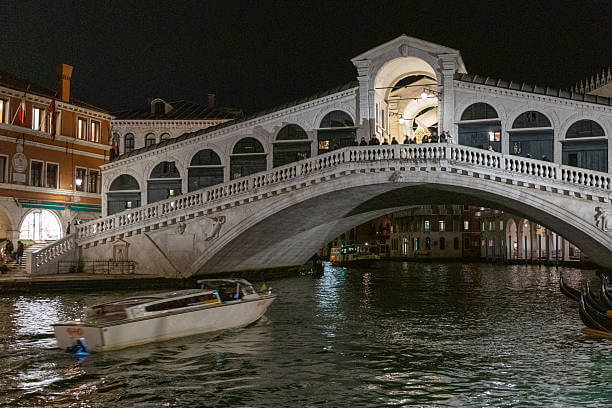
San Polo is the central sestiere of Venice. The Grand Canal wraps around three of its edges. From here, you can walk to any other neighborhood within 15 to 20 minutes.
San Polo sits between the Rialto Bridge to the east and the Frari Church to the west. It is the geographic heart of Venice, which makes it the best base for first-time visitors who want to explore widely.
The neighborhood is lively near Rialto but becomes calm and residential as you move south. The Basilica di Santa Maria Gloriosa dei Frari is here one of the finest Gothic churches in Italy, housing works by Titian and Donatello.
Campo San Polo is one of the largest open squares in Venice. It is full of locals, children playing, and outdoor restaurants. This is what makes San Polo feel authentic rather than purely touristic.
Who Should Stay in San Polo
- First-time visitors who want to explore multiple areas
- Couples looking for a central but relatively calm base
- Travelers arriving by plane via the Alilaguna orange line
- Anyone who wants easy walking access to all six sestieri
Who Should Avoid San Polo
- Budget travelers mid-range and above pricing
- Those sensitive to noise near the Rialto Bridge
- Travelers with limited mobility many bridges and narrow streets
Pros and Cons of Staying in San Polo
| Pros | Cons |
| Most central location in Venice | Noisier near Rialto Bridge |
| 15–20 min walk to all sestieri | Higher prices than outer areas |
| Multiple vaporetto stops | Fewer budget hotel options |
| Great local food scene | Grand Canal crossings needed |
| Quiet streets south of the Rialto | Busy on weekends and in peak season |
Transport from San Polo
San Polo has vaporetto stops on both its northern and eastern edges. The Alilaguna orange line (arancio) stops here and connects directly to Marco Polo Airport. The Rialto Bridge and the Sant’Angelo traghetto give easy Grand Canal crossings into San Marco and Dorsoduro.
Food and Drink in San Polo
The Rialto Market is one of the best fresh food markets in Italy. Open weekday mornings, it sells lagoon fish, local vegetables, and seafood. Around it, you will find bacari traditional Venetian wine bars serving cicchetti, the local version of tapas. For a deeper food experience, explore our guide to the Best Cicchetti in Venice Italy where we cover authentic bacari and local Venetian wine bars.
Move south toward Dorsoduro and you find quieter, more authentic restaurants serving traditional Venetian dishes like sarde in saor (sweet and sour sardines) and baccalà mantecato (whipped salt cod).
Dorsoduro Best Area for Art Lovers and a Quiet Atmosphere
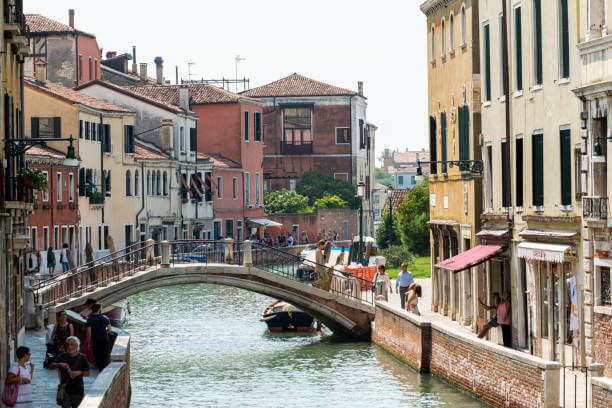
Dorsoduro sits at the southern tip of the historic center. It is home to Venice’s main university, which gives it a youthful and lively energy especially around Campo Santa Margherita and Campo San Barnaba.
Despite the student presence, Dorsoduro also has a calm and residential feel. The further south you go, the quieter it gets. The Zattere promenade runs along the southern edge of the neighborhood a wide, sunny waterfront perfect for a morning walk. Art lovers should visit the Peggy Guggenheim Collection official site for exhibitions and ticket information.
Two of Venice’s most important art institutions are located here: the Gallerie dell’Accademia (featuring centuries of Venetian painting) and the Peggy Guggenheim Collection (modern art in a former palazzo on the Grand Canal).
The Basilica di Santa Maria della Salute stands at the eastern tip of Dorsoduro. Its white dome is one of the most recognizable landmarks in Venice. It holds frescoes by Titian and Tintoretto.
Who Should Stay in Dorsoduro
- Art lovers visiting the Accademia and Guggenheim
- Travelers who want a quieter, residential atmosphere
- Those who enjoy walking along canals without crowds
- Visitors who like a mix of lively campos and calm streets
Who Should Avoid Dorsoduro
- Travelers arriving by plane longer Alilaguna journey
- Those planning island day trips (Murano, Burano) further from Fondamente Nove
- Anyone needing a wide choice of hotels fewer options than other areas
Pros and Cons of Staying in Dorsoduro
| Pros | Cons |
| Charming canals and quiet streets | Fewer hotel options than other areas |
| Strong local and student atmosphere | Longer trip to airport via Alilaguna |
| World-class art museums nearby | Further from island vaporetto stops |
| Excellent bacari and osterie | Slightly more expensive per night |
| Short walk from Piazza San Marco | Limited late-night dining options |
Transport from Dorsoduro
The Accademia Bridge connects Dorsoduro directly to San Marco. The Zattere vaporetto stop gives access to Giudecca and the wider lagoon. For the train station, you can walk through San Polo or Santa Croce in about 25 minutes. Official vaporetto schedules and ticket information are available on the ACTV official website.
Cannaregio Best Area for Budget Travelers
Cannaregio is also the best base for travelers planning island day trips. From Fondamente Nove, you can easily visit Murano and Burano while still enjoying a quieter local atmosphere. For more Venice experiences, see our guide to Unique Things to Do in Venice Italy.
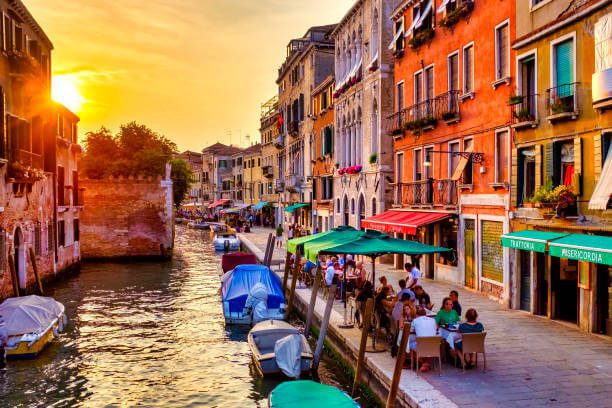
The further north and east you go in Cannaregio, the fewer tourists you encounter. This is where Venice starts to feel like a real city again with locals shopping, children playing, and laundry drying over the canals.
The Fondamenta della Misericordia is the most lively strip in Cannaregio. It is a canalside walkway lined with bacari, wine bars, and restaurants popular with Venetians and visitors alike.
The Jewish Ghetto one of the oldest in Europe, established in 1516 is located in Cannaregio. It has a powerful history and several well-preserved synagogues open to visitors.
The Basilica dei Santi Giovanni e Paolo is one of the grandest Gothic churches in Venice. It serves as the burial place of 25 Doges and contains works by Veronese.
Who Should Stay in Cannaregio
- Budget-conscious travelers looking for the best value in the historic center
- Those arriving or departing by train from Santa Lucia station
- Travelers taking day trips to Murano and Burano (close to Fondamente Nove)
- Anyone who wants a quiet, authentic Venetian atmosphere
Who Should Avoid Cannaregio
- Those who want to be 5 minutes from Piazza San Marco on foot
- Travelers who want luxury hotel options fewer top-tier properties
- Short stays focused on the main sights adds walking time
Pros and Cons of Staying in Cannaregio
| Pros | Cons |
| Most affordable area in historic center | Further walk to Piazza San Marco |
| Close to Santa Lucia train station | Area near station feels less charming |
| Easy Alilaguna access to airport | Fewer luxury hotel options |
| Best access to island vaporetti | Quieter evenings less nightlife |
| Authentic local atmosphere | Can feel removed for shorter stays |
Transport from Cannaregio
Cannaregio has the best transport connections in Venice. The Fondamente Nove vaporetto stop connects directly to Murano and Burano. Both the Alilaguna blue and orange lines to Marco Polo Airport serve this area. The train station is within easy walking distance. The Alilaguna airport ferry service connects Marco Polo Airport directly with Venice’s historic center.
San Marco Best for Short Stays and Maximum Convenience
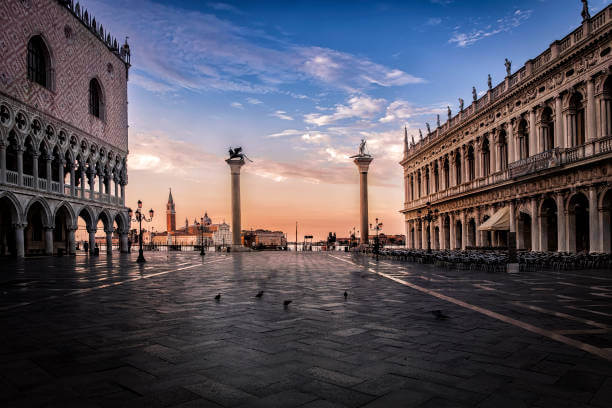
San Marco covers the area between the Rialto Bridge and Piazza San Marco. It is the most famous and most visited part of Venice. For that reason, it is also the most crowded and most expensive.
Staying directly around Piazza San Marco is not recommended. The crowds arrive by 9:30am and the area feels overwhelming until early evening. The atmosphere can feel commercial rather than authentically Venetian. Many travelers combine Venice with Rome and Florence during their Italy trip. If you are planning a romantic Italian getaway, read our guide to Valentine’s Day in Rome. However, the outer edges of San Marco near the Accademia Bridge, near Sant’Angelo, or toward Palazzo Grassi are significantly calmer. These parts of San Marco offer excellent access without the worst of the crowds.
Who Should Stay in San Marco
- First-time visitors on a 1 to 2 night stay who want maximum sightseeing efficiency
- Travelers who want to be within steps of St. Mark’s Basilica and the Doge’s Palace
- Those willing to pay a premium for the most central location in Venice
Who Should Avoid San Marco
- Anyone wanting a calm or romantic atmosphere
- Travelers on a budget the most expensive area in Venice
- Those who plan to eat well without extensive research tourist-trap restaurants are common
- Visitors on longer stays who want to feel immersed in real Venetian life
Pros and Cons of Staying in San Marco
| Pros | Cons |
| Closest area to St. Mark’s Basilica | Extremely crowded 9am–7pm |
| Easy access to all other sestieri | Highest hotel prices in Venice |
| Many vaporetto stops | Tourist-trap restaurants everywhere |
| Best for very short stays | Least authentic atmosphere |
| Top-end luxury hotels available | Overwhelming for sensitive travelers |
Castello Best for a Quiet, Local Experience
Castello is the largest sestiere in Venice. Its western edge borders San Marco, but as you move east, the tourist crowds thin dramatically. The further east you go, the more Castello feels like a real residential Venetian neighborhood. The famous Venice Biennale exhibitions are hosted in Castello. See the latest events on the Venice Biennale official website.
This is where you find locals going about their daily lives shopping at small grocery stores, sitting in campos, and walking their dogs along narrow canals. It is one of the most authentic areas in all of Venice.
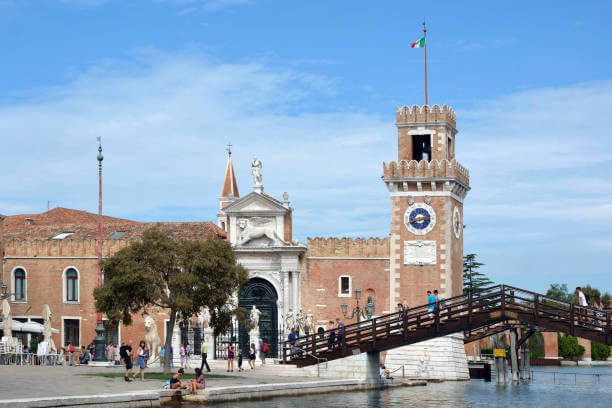
Castello is home to the Arsenale, Venice’s historic shipbuilding yard, and the Biennale Gardens, which host Venice’s famous international art and architecture exhibitions. The church of San Zaccaria, with its flooded crypt, is also here.
Who Should Stay in Castello
- Travelers on longer stays who want to live like a local
- Those visiting in peak summer season seeking breathing room from crowds
- Budget and mid-range travelers wanting good value with proximity to San Marco
- Families who want wide streets and fewer canal crossings
Pros and Cons of Staying in Castello
| Pros | Cons |
| Quietest area close to central Venice | Large area — location matters hugely |
| Authentic residential atmosphere | Far from Dorsoduro and train station |
| Good value accommodation | Longer distances to some sights |
| Easy walk to San Marco from west edge | Less immediate for first-time visitors |
| Excellent local dining | Limited luxury hotel options |
Santa Croce Best for Arrivals and Departures
Santa Croce is the sestiere closest to the train station and the Piazzale Roma bus terminal. It is the most practical neighborhood for travelers with tight schedules, early flights, or late arrivals.
The area near the station can feel functional and busy rather than charming. However, the parts of Santa Croce that border San Polo are calmer and more atmospheric.
Santa Croce is home to Ca’ Pesaro, one of the finest museums in Venice housing the International Gallery of Modern Art and the Museum of Oriental Art.
Who Should Stay in Santa Croce
- Travelers on a 1-night stay who need to catch an early train or bus
- Those arriving with heavy luggage who want to minimize bridge crossings
- Anyone planning to spend most time in San Polo and Dorsoduro
Areas Outside the Historic Center: What You Need to Know
Mestre Why You Should Not Stay Here
Mestre is a town on the mainland connected to Venice by a short train journey. Accommodation in Mestre is significantly cheaper. However, staying there means you are effectively day-tripping into Venice. You lose access to Venice at dawn and dusk — the most magical hours. Most travel experts and experienced visitors strongly advise staying inside the historic center.
Giudecca
Giudecca is an island just south of Dorsoduro, accessible only by vaporetto. It is home to some exceptional luxury hotels. However, it is impractical as a base for sightseeing. Every journey into Venice adds ferry time. It is best visited as a day trip unless you are staying at a specific high-end property like the Belmond Hotel Cipriani.
Lido
Lido is a long barrier island with beaches and a different atmosphere from the historic city. It works well for summer visits, especially with children. However, for a typical 2 to 3 night Venice trip, it is not recommended. Ferry journeys to and from the historic center add significant time to every outing.
Murano, Burano, and Torcello
These islands in the Venetian lagoon are excellent for day trips. Murano is famous for glassblowing. Burano is known for its colorful houses and lacework. Torcello has one of the oldest Byzantine churches in the lagoon. None of them are practical as a base for exploring Venice itself.
Where to Stay in Venice: Matched to Your Travel Style
| Travel Style | Best Area | Why |
| First-time visitor | San Polo or Dorsoduro | Central access, great atmosphere, authentic feel |
| Budget traveler | Cannaregio | Lowest prices in historic center, good transport |
| Art lover | Dorsoduro | Home to Accademia and Guggenheim Collection |
| Short stay (1–2 nights) | San Marco (outer edge) or San Polo | Minimize travel time between sights |
| Family with children | Castello or Dorsoduro | Quieter streets, fewer crossings, good value |
| Luxury traveler | San Marco (outer edge) or Dorsoduro | Best boutique hotels away from crowds |
| Island day tripper | Cannaregio | Closest to Fondamente Nove for Murano and Burano |
| Arriving by plane | San Polo or Cannaregio | Direct Alilaguna ferry connections |
Where to Stay in Venice
Choosing where to stay in Venice can completely shape your experience of the city. While Venice is compact and walkable, every neighborhood offers a different atmosphere from the lively canals of San Polo to the artistic calm of Dorsoduro and the local charm of Cannaregio.
For most first-time visitors, San Polo and Dorsoduro offer the best balance of location, atmosphere, food, and transport access. Travelers on tighter budgets should consider Cannaregio, while those wanting maximum convenience may prefer the quieter edges of San Marco.
No matter which sestiere you choose, staying inside Venice’s historic center is one of the best decisions you can make. Early mornings, quiet canals, and peaceful evenings are what make Venice truly unforgettable.
Before planning your trip, also explore our complete Venice Travel Guide and detailed Best Time to Visit Venice Italy Guide.
Where to Stay in Venice for first-time visitors?
San Polo is the best area for first-time visitors because it offers central access to Venice’s major attractions while still feeling authentic and walkable.
Is it better to stay in San Marco or San Polo?
San Polo is generally better for longer stays because it feels calmer and more local, while San Marco works best for short trips focused on sightseeing.
Should I stay in Mestre or Venice historic center?
Most travelers should stay inside Venice’s historic center. Mestre is cheaper, but you lose the magical early mornings and quiet evenings that make Venice special.
Is Venice walkable for tourists?
Yes. Venice is extremely walkable, and most major attractions are within 15–30 minutes of each other on foot.
How many days do you need in Venice?
Most travelers need 2 to 3 days in Venice to explore the main sights, enjoy local neighborhoods, and take optional day trips to Murano or Burano.
What is the best district to stay in Venice Italy?
San Polo is the best district for most visitors central, walkable, and authentic. Dorsoduro is best for art lovers. Cannaregio is best for budget travelers. Avoid Mestre on the mainland stay inside the historic center.
Venice accommodation guide: what should I know before booking?
Book early Venice has limited accommodation and prices rise quickly, especially May–October. Stay inside the historic center (not Mestre). Choose a hotel near a vaporetto stop if you have heavy luggage. San Polo, Dorsoduro, and Cannaregio offer the best balance of price, atmosphere, and location.