Florence Landmarks: 25+ Famous Historic Sites & Points of Interest in Florence Italy

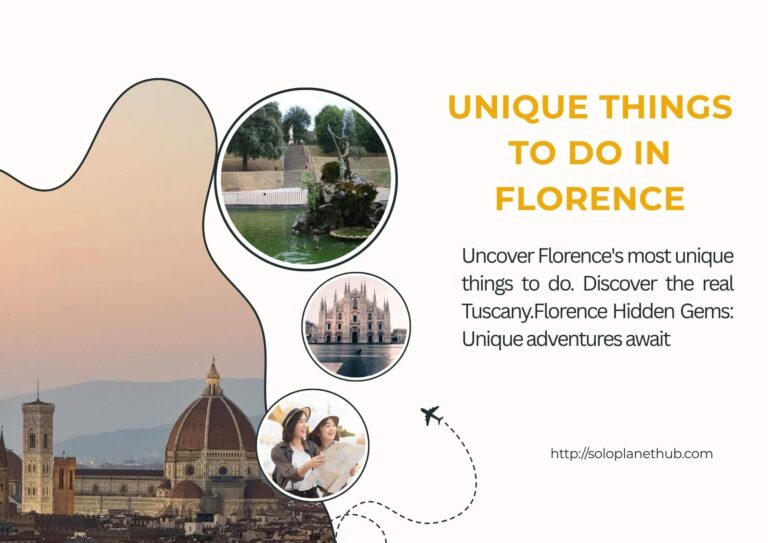
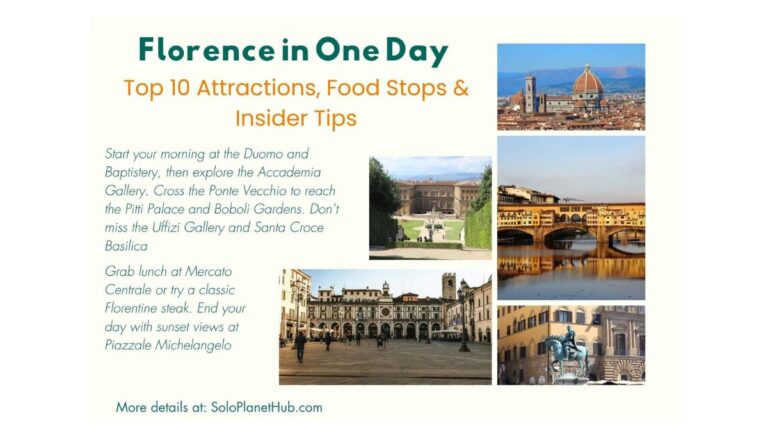
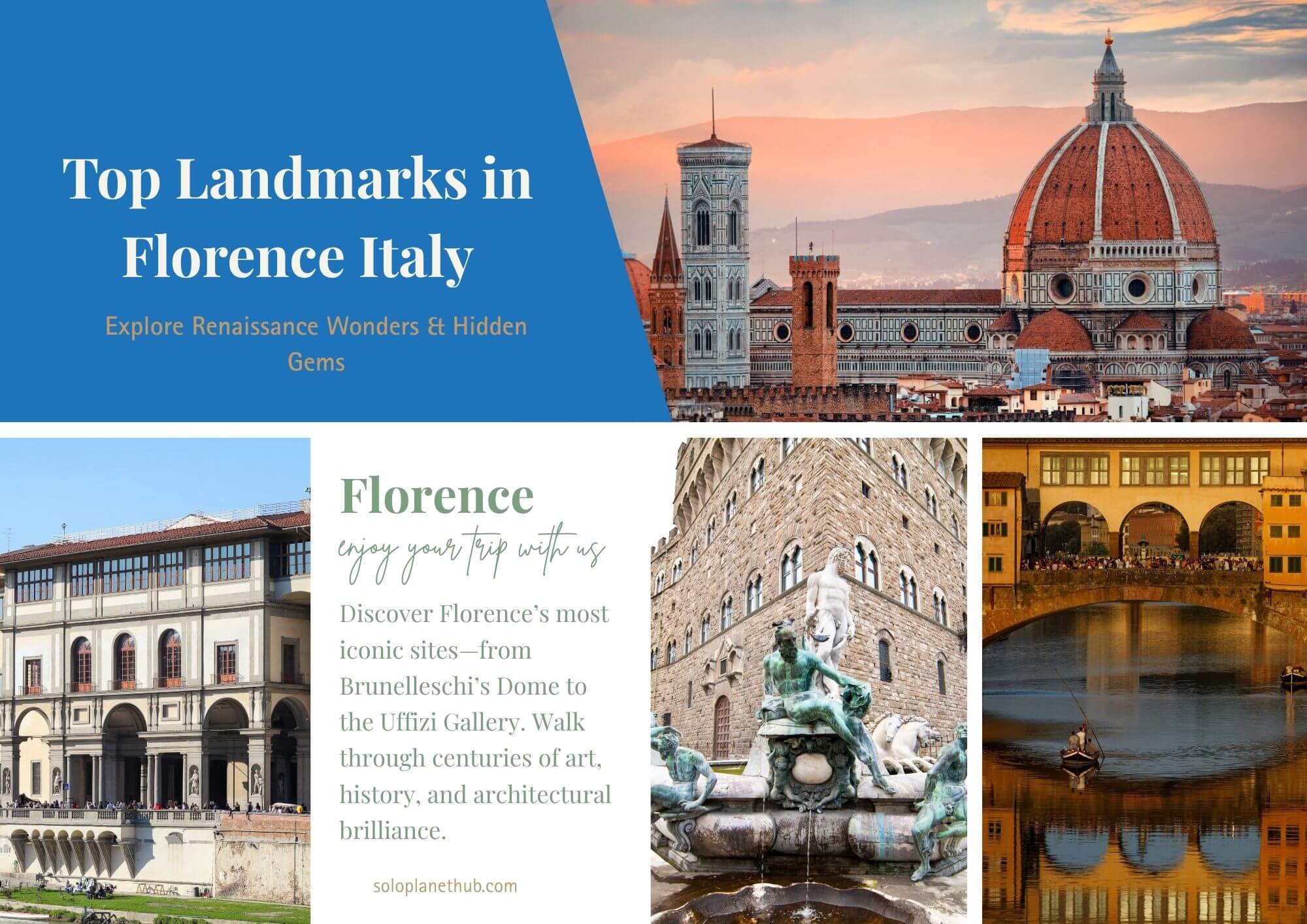
Florence is one of the most historic cities in Europe, famous for its Renaissance art, stunning architecture, and world-class museums. The city’s most famous Florence landmarks attract millions of visitors each year, from the iconic Florence Cathedral to the historic Ponte Vecchio and the world-renowned Uffizi Gallery.
Visitors exploring landmarks in Florence Italy will also discover historic palaces like Palazzo Vecchio, impressive churches, and world-class museums that define the city’s cultural heritage.
Most Famous Florence Landmarks
Florence Cathedral
History & Architecture:
- Construction began in 1296 and finished in 1436, showcasing Italian Gothic architecture.
- The exterior is decorated with pink, green, and white marble, giving it a striking look.
- The dome, designed by Filippo Brunelleschi, is an engineering marvel and one of the largest masonry domes in the world.
- Inside, you’ll find beautiful frescoes by Giorgio Vasari and Federico Zuccari on the dome’s interior, depicting the Last Judgment.
- The cathedral is part of a UNESCO World Heritage Site and symbolizes Florence’s artistic and cultural heritage.
Visiting Tips:
- Climb the dome for breathtaking panoramic views of Florence requires a ticket and some stamina 463 steps.
- Visit Giotto’s Campanile for another great viewpoint.
- Explore the Baptistery of St. John, famous for its bronze doors known as the Gates of Paradise.
- Book tickets in advance, especially during peak tourist seasons.
- Early morning visits are less crowded and offer better photo opportunities.
Fun Fact:
Brunelleschi’s dome was built without scaffolding a revolutionary technique for its time!
Giotto’s Campanile
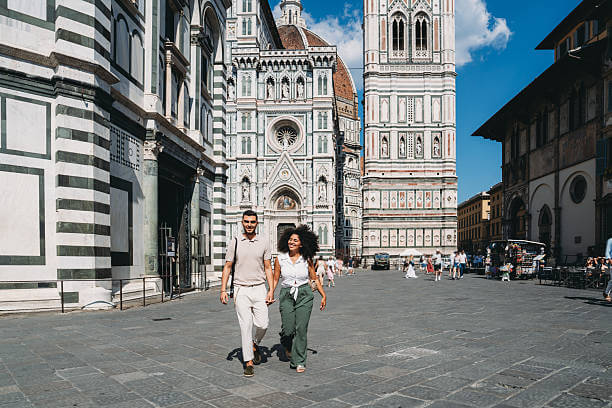
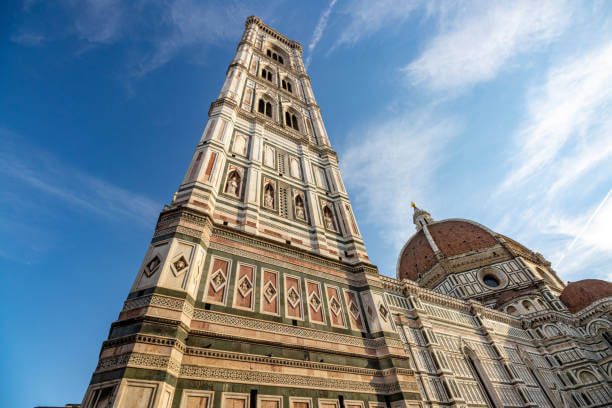
Giotto’s Campanile is an 82-meter-tall Gothic bell tower standing proudly beside the world-famous Duomo (Cathedral of Santa Maria del Fiore) in Florence, Italy. A striking example of Florentine Gothic architecture, it is celebrated not only for its beauty but also for its artistic and structural harmony with the cathedral complex. This tower is a symbol of Florence’s architectural genius and an enduring masterpiece of the early Renaissance period
Architecture & Details:
- Designed by Giotto di Bondone in the 14th century, the tower showcases his unique artistic vision combining elegance, symbolism, and mathematical precision.
- The exterior is adorned with geometric marble inlays of white (from Carrara), green, and pink creating a stunning polychrome effect that captures the Florentine light.
- The lower levels feature reliefs and sculptures depicting human virtues, the creation of man, the liberal arts, and scenes from the Old Testament. Many of these works were crafted by Andrea Pisano and Luca della Robbia.
Visiting Tips:
- Climb the 414 steps to reach the summit, where you’ll be rewarded with spectacular panoramic views of Florence, the Duomo’s iconic dome, and the rolling Tuscan hills.
- Take your time to admire the intricate sculptural details on each level as you ascend the craftsmanship tells the story of Florence’s golden age.
- For the best experience, visit early in the morning or late in the afternoon to avoid crowds and capture Florence in soft, golden light.
- Combine your visit with nearby landmarks like the Baptistery of St. John and the Cathedral of Santa Maria del Fiore for a complete historical experience.
Baptistery of St. John
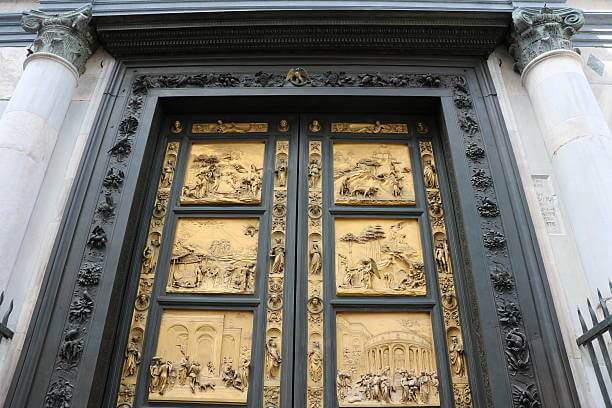
The Baptistery of St. John is one of Florence’s oldest and most revered monuments. Standing directly opposite the Duomo, it symbolizes the city’s deep religious roots and artistic grandeur. The Baptistery’s octagonal design, Romanesque architecture, and glittering mosaics make it one of the most admired landmarks in Florence and a cornerstone of Renaissance inspiration.
Highlights:
- Best known for its three sets of bronze doors, the most famous being the Gates of Paradise by Lorenzo Ghiberti, whose detailed panels depict biblical scenes with lifelike realism and perspective.
- The interior dome is decorated with breathtaking golden mosaics illustrating the Last Judgment, stories from Genesis, and scenes from the life of Christ and St. John the Baptist.
- The Baptistery served as the place of baptism for generations of Florentines, including the poet Dante Alighieri.
- Its rich combination of Byzantine mosaics, classical proportions, and early Renaissance sculpture makes it a key monument for understanding Florence’s artistic legacy.
Visiting Tips:
- Arrive early to admire the bronze doors in natural morning light perfect for photography and avoiding large tour groups.
- Don’t forget to look upward inside the shimmering gold mosaics on the ceiling are among the most beautiful in Italy.
- Consider purchasing a combined ticket for the Baptistery, Cathedral, Campanile, and Museum of the Opera del Duomo for a complete cultural immersion.
Accademia Gallery
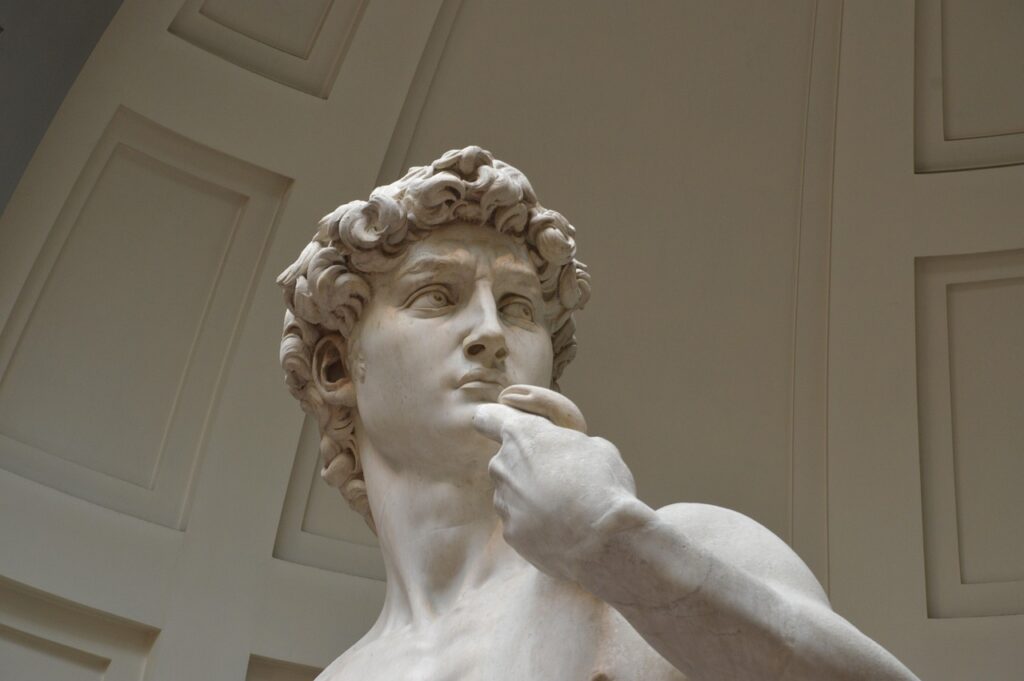
The Accademia Gallery in Florence, Italy is one of the city’s most iconic landmarks and a must-visit for art lovers. Home to Michelangelo’s world-famous David, this museum showcases the very essence of the Italian Renaissance. Beyond the David, you’ll find the artist’s unfinished Prisoners sculptures that beautifully reveal Michelangelo’s creative process.
The gallery also features Renaissance paintings by great Florentine artists such as Botticelli, Ghirlandaio, and Pontormo, offering an immersive look into Florence’s artistic golden age. Visiting the Accademia Gallery gives travelers a deeper understanding of how Florence became the birthplace of Renaissance art.
Insider Tip: To avoid long lines, consider booking your Accademia Gallery tickets in advance or visiting during the early morning hours.
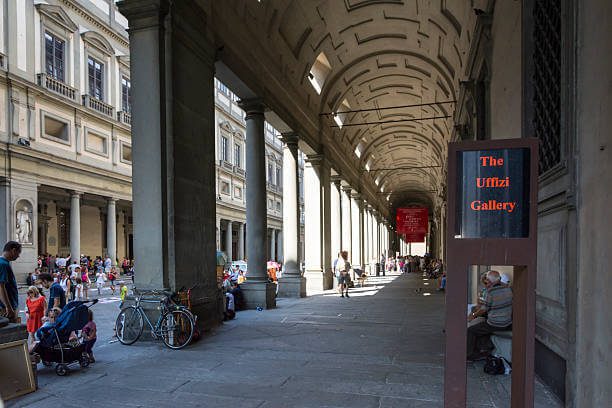
Uffizi Gallery
The Uffizi Gallery is one of the most famous landmarks in Florence, Italy, and a cornerstone of world art history. This stunning museum holds an unrivaled collection of Renaissance masterpieces, including works by Botticelli, Leonardo da Vinci, Raphael, Caravaggio, and Michelangelo.
Walking through its ornate halls, visitors encounter legendary paintings such as “The Birth of Venus” and “Primavera” by Botticelli both defining symbols of Renaissance beauty. The Uffizi’s architecture and riverfront location also make it one of the most picturesque sites in Florence, offering panoramic views of the Arno River and Ponte Vecchio.
Travel Tip: Reserve tickets online or take a guided tour of the Uffizi Gallery to uncover stories behind Florence’s most celebrated artworks.
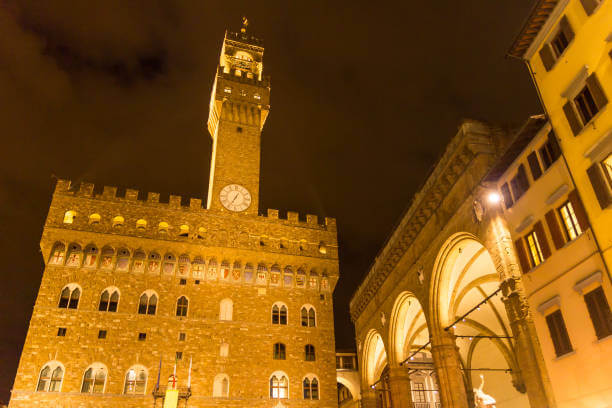
Palazzo Vecchio & Piazza della Signoria
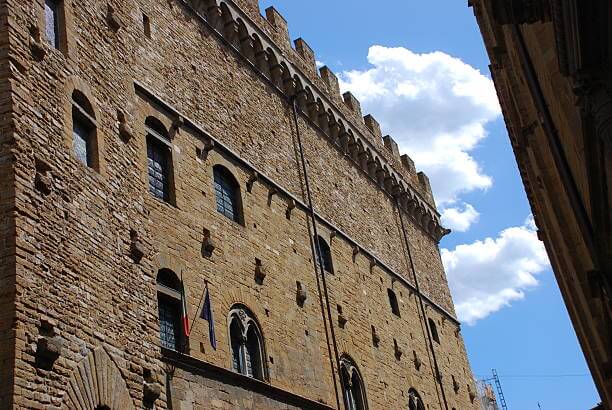
The Palazzo Vecchio is one of the most famous landmarks in Florence, Italy, standing proudly in Piazza della Signoria, the city’s civic heart. Built in the late 13th century, this fortress-palace was once the residence of the powerful Medici family. Inside, you’ll find the Hall of Five Hundred a masterpiece of grandeur filled with murals depicting Florence’s military victories.
Outside, the Piazza della Signoria is lined with stunning sculptures, including Neptune’s Fountain and Perseus with the Head of Medusa. Don’t miss the Loggia dei Lanzi, an open-air gallery showcasing Renaissance and classical statues a must-see stop on any Florence landmarks itinerary.
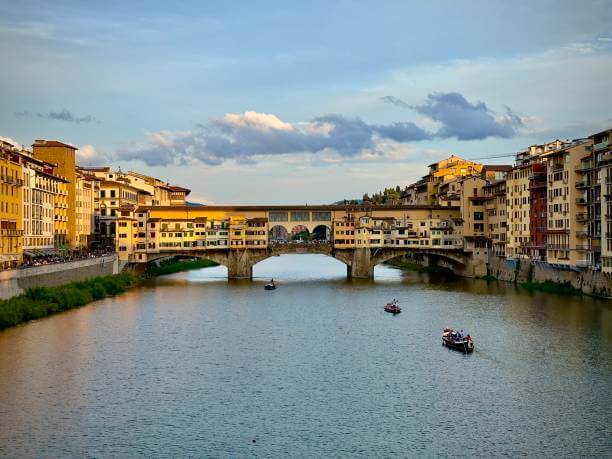
Ponte Vecchio
Perhaps the most iconic landmark in Florence, the Ponte Vecchio (Old Bridge) is a symbol of the city’s resilience and artistry. Dating back to medieval times, it’s the oldest bridge in Florence, spanning the Arno River with a row of charming jewelry shops and artisan boutiques.
Above the bridge runs the Vasari Corridor, a secret elevated passage built for the Medici family to move safely between their palaces. Walking across the Ponte Vecchio at sunset offers one of the most romantic views in all of Florence, Italy a perfect blend of history, architecture, and atmosphere. Besides the main landmarks, Florence is full of unusual attractions and hidden gems worth exploring.
Historic Churches and Religious Landmarks
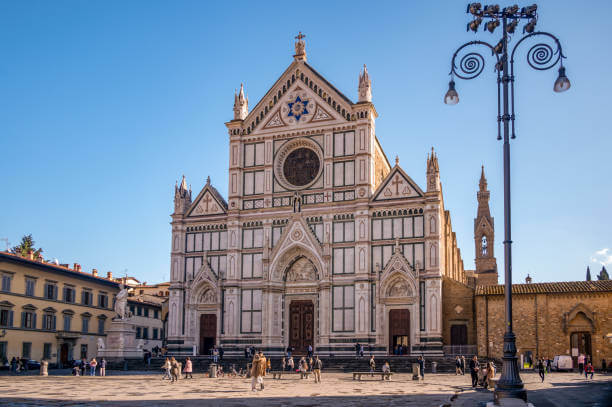
Basilica of Santa Croce
The Basilica of Santa Croce is one of the most important landmarks in Florence, Italy, and a must-visit for anyone exploring the heart of Renaissance Florence. Often called the “Temple of the Italian Glories,” it is the final resting place of some of Italy’s greatest minds Michelangelo, Galileo, Machiavelli, and Dante Alighieri making it both a spiritual sanctuary and a monument to Italian genius.
Architecture & Artistic Highlights:
- Built in the 13th century, the basilica is a stunning example of Gothic and Renaissance architecture in Florence, with a marble façade added in the 19th century.
- Inside, the church is adorned with magnificent frescoes by Giotto di Bondone and his pupils, illustrating biblical stories with emotional depth and masterful color. These frescoes mark a pivotal moment in art history, bridging the Gothic and early Renaissance styles.
- One of the basilica’s most remarkable spaces is the Pazzi Chapel, designed by Filippo Brunelleschi, a leading architect of the Renaissance. The chapel is celebrated for its perfect geometric harmony, serene proportions, and delicate terracotta decorations by Luca della Robbia.
- The tombs of Michelangelo, Galileo, and Machiavelli are located within the main nave, each monument beautifully sculpted to reflect the genius of the person it honors.
- Beyond its artistic treasures, Santa Croce also houses cloisters, chapels, and the Museum of the Basilica of Santa Croce, where visitors can see preserved artworks and architectural fragments from centuries past.
Cultural & Historical Significance:
The Basilica of Santa Croce stands as a symbol of Florence’s intellectual and artistic heritage, representing the city’s devotion to art, science, and philosophy. For centuries, it has been a gathering place for scholars, artists, and political thinkers who shaped the Italian Renaissance.
Visiting Tips:
- Allocate at least an hour to explore the basilica’s chapels and cloisters at a relaxed pace.
- Don’t miss the Pazzi Chapel its calm atmosphere and architectural symmetry make it one of the most beautiful spaces in Florence.
- The tombs of Michelangelo and Galileo are located along the side aisles; take time to appreciate the sculptural detail and symbolism of each monument.
Santa Maria Novella
The Basilica of Santa Maria Novella is one of the most beautiful churches in Florence, featuring a striking marble façade designed by Leon Battista Alberti. Inside, visitors can admire the Spanish Chapel, adorned with vibrant frescoes illustrating theological virtues and scenes from Dominican history. The church also houses Masaccio’s Holy Trinity, a revolutionary early Renaissance fresco that showcases the artist’s mastery of perspective. Santa Maria Novella remains one of the key landmarks in Florence Italy, blending Gothic grace with Renaissance innovation.
San Lorenzo & the Medici Chapels
The Basilica of San Lorenzo, designed by Filippo Brunelleschi, is one of the earliest examples of Renaissance architecture in Florence. Its simple, balanced proportions highlight Brunelleschi’s genius for harmony and geometry. Attached to it are the Medici Chapels, home to the magnificent New Sacristy sculpted by Michelangelo. Here, visitors can marvel at Michelangelo’s allegorical statues Day, Night, Dawn, and Dusk which decorate the tombs of the Medici rulers.
San Miniato al Monte
Perched high above the city on a hill overlooking the Arno River, San Miniato al Monte is one of the finest examples of Romanesque architecture in Florence. Its green-and-white marble façade glows beautifully in the Tuscan sunlight. Inside, visitors will find serene frescoes, intricate mosaics, and peaceful cloisters. The church’s hilltop location offers one of the best panoramic views of Florence, especially at sunset. A visit here is a must for those seeking both spiritual tranquility and unforgettable photography moments.
Museums and Cultural Landmarks
Bargello Museum Renaissance Sculpture Masterpieces
Once a medieval fortress and prison, the Museo del Bargello is now one of the premier museums in Florence Italy. It houses extraordinary sculptures by Donatello, Michelangelo, and Verrocchio, as well as intricate Renaissance bronzes and medals. The Bargello’s intimate setting makes it ideal for travelers who want to appreciate Florentine sculpture up close without the crowds of larger galleries.
Palazzo Medici-Riccardi
The Palazzo Medici-Riccardi is a cornerstone of Renaissance architecture in Florence, designed by Michelozzo for the powerful Medici family. Its interior features the exquisite Chapel of the Magi, with frescoes by Benozzo Gozzoli that depict a glittering parade of Renaissance figures. Visiting this palazzo provides insight into the political and artistic legacy of the Medici, whose influence shaped the history of Florence and the Italian Renaissance.
Galileo Museum
The Museo Galileo, located near the Uffizi, celebrates Florence’s contribution to science and innovation. Inside, you’ll discover instruments used by Galileo Galilei himself, including telescopes, globes, and experimental apparatus. This museum is one of the most fascinating Florence attractions for science enthusiasts, offering an enlightening counterpoint to the city’s artistic treasures.
Renaissance Palaces and Historic Squares
Piazzas of Florence Heart of City Life
Florence’s historic piazzas are open-air museums and gathering places for both locals and tourists.
- Piazza della Repubblica: Surrounded by cafés and historic buildings, this elegant square marks the ancient Roman forum and is perfect for people-watching.
- Piazza Santissima Annunziata: A quieter gem, framed by harmonious Renaissance arcades designed by Brunelleschi, and home to the Church of the Annunciation, known for its miraculous frescoes.
These Florence tourist attractions provide cultural depth and an authentic taste of the city’s daily rhythm.
Loggia dei Lanzi
Located in Piazza della Signoria, the Loggia dei Lanzi is an open-air sculpture gallery that epitomizes Renaissance art in Florence. Here you’ll find masterpieces like Cellini’s Perseus with the Head of Medusa and Giambologna’s Rape of the Sabine Women. The loggia is free to visit and offers an unparalleled experience of Florence’s public art heritage, blending history, beauty, and civic pride.
Savonarola Plaque
In the same square, a small plaque marks the site where the Dominican friar Girolamo Savonarola was executed in 1498. This modest marker serves as a poignant reminder of Florence’s turbulent political and religious history, a city that has witnessed both the heights of Renaissance artistic glory and the depths of ideological conflict. Savonarola, known for his fiery sermons and opposition to secular art and luxury, played a controversial role in shaping Florence’s spiritual landscape before his dramatic downfall.
Today, Piazza della Signoria stands as a powerful symbol of Florence’s layered past, where art, politics, and religion intersect. Visitors can reflect on the city’s complex legacy while admiring masterpieces like Michelangelo’s David and the Fountain of Neptune, just steps away from the plaque. It’s a must-visit for history enthusiasts and travelers seeking to understand the deeper narratives behind Florence’s beauty.
Florence Food & Market Culture
Mercato Centrale
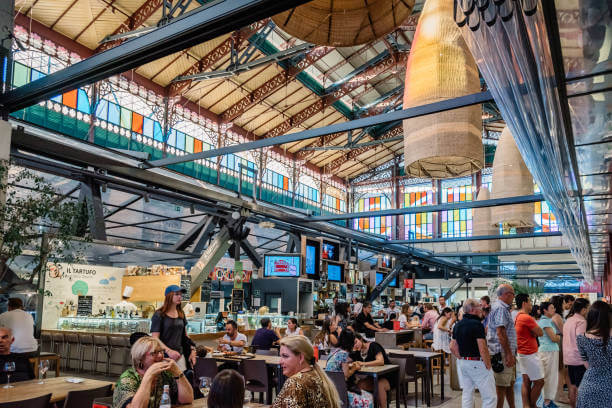
For a taste of authentic Florentine cuisine, head to the Mercato Centrale near San Lorenzo. This lively indoor market is a paradise for food lovers, offering everything from fresh pasta and truffles to Tuscan wines and handmade chocolates. The upper floor hosts trendy eateries and local wine bars, making it one of the most vibrant things to do in Florence for travelers who want to experience local flavors. Discover the best food in Rome Italy guide from authentic Roman pasta and street food
Don’t miss the chance to shop for gourmet souvenirs or enjoy a wine-tasting experience in Florence. Whether you’re indulging in a plate of freshly made gnocchi, sipping Chianti from a local vineyard, or browsing artisanal goods like olive oil and balsamic vinegar, Mercato Centrale offers a sensory journey through Tuscany’s culinary heritage. The market also features cooking classes and food events, making it a dynamic hub for both locals and tourists.
Florence Sightseeing Tips Passes, Tickets & Best Visiting Times
- Buy a Florence Pass or Duomo Combo Ticket to save time and money when visiting multiple sites.
- For art lovers, consider a skip-the-line Uffizi and Accademia Gallery ticket to avoid long queues.
- Early mornings (before 10 AM) and late afternoons (after 5 PM) are the best times to explore major Florence tourist attractions with fewer crowds.
- Many museums close on Mondays, so plan your itinerary accordingly.
- Don’t forget to wear comfortable shoes most landmarks in Florence Italy are best explored on foot through the city’s charming cobblestone streets.
Day Trips from Florence
While the Florence Italy landmarks are world-famous, part of the city’s magic lies in what surrounds it. A few hours outside Florence, travelers can discover some of Tuscany’s most iconic destinations all easily accessible as day trips.
- Siena: Known for its Gothic architecture and the famous Piazza del Campo, Siena is one of the most historic landmarks near Florence Italy.
- Pisa: Visit the Leaning Tower of Pisa, one of the world’s most recognized monuments and a short train ride from Florence.
- Lucca: A charming Renaissance town surrounded by well-preserved city walls, ideal for cycling and exploring lesser-known Tuscan landmarks.
- Chianti Region: Just south of Florence, the Chianti wine region offers vineyards, rolling hills, and medieval castles a must-visit for anyone wanting to experience the authentic beauty of Tuscany beyond Florence.
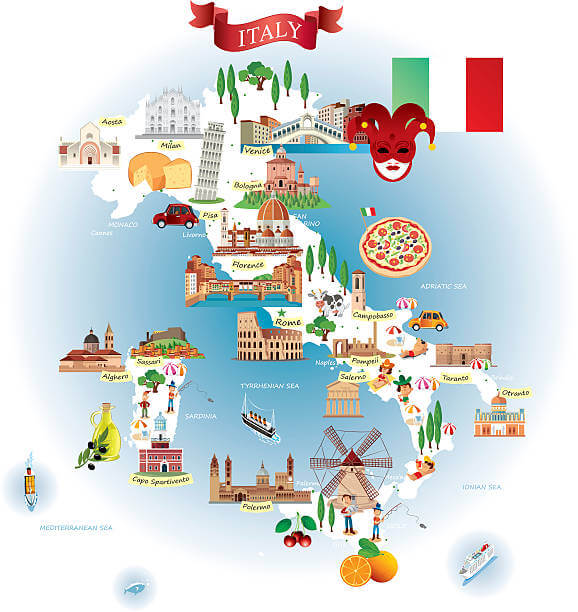
To help travelers navigate easily, our interactive Florence Italy landmarks map highlights clustered attractions and walking tour routes, so you can plan your itinerary efficiently. From the Uffizi Gallery to Ponte Vecchio, you can trace the city’s Renaissance legacy on foot or plan a scenic route combining historical sites, art museums, and panoramic viewpoints.
Essential Tips & Travel Advice for Visiting Florence Italy Landmarks
Planning to explore the most famous Florence Italy landmarks like the Uffizi Gallery, Duomo, and Ponte Vecchio? A few smart travel strategies can save you time, money, and frustration helping you experience the city like a true Renaissance local.
Use the Florence Pass & Firenze Card
If you plan to visit multiple historical landmarks in Florence, invest in the Florence Pass or Firenze Card. These city passes give you priority entry to top attractions such as the Accademia Gallery, Uffizi Gallery, and Palazzo Vecchio, skipping long ticket lines. You’ll also save money compared to buying individual tickets perfect for those exploring Florence museums and landmarks in one or two days. For easy access to Florence’s top landmarks, consider purchasing theFirenze Card the city’s official museum pass that offers skip-the-line entry to 60+ attractions, including the Uffizi Gallery and Accademia Gallery.
Best Time to Visit Landmarks
The best time to visit Florence landmarks is early morning or late afternoon, especially between April and October, when the city sees the most tourists. Visit popular spots like Piazza della Signoria or Giotto’s Bell Tower right after opening hours to avoid queues and enjoy better photo opportunities. Early evening strolls are also ideal for capturing the city’s architecture under golden light.
Plan Your Florence Itinerary Wisely
If you’re short on time, follow a one-day Florence itinerary focusing on highlights like the Duomo, Ponte Vecchio, and Uffizi Gallery. For a deeper experience, spread your exploration over two or three days to include hidden landmarks in Florence Italy, such as San Miniato al Monte or Bargello Museum. Multi-day passes and guided tours often provide better access and expert insights into Renaissance art and architecture.
For official recommendations, itineraries, and travel routes, check the Tuscany Official Tourism Website a trusted guide to planning unforgettable day trips from Florence.
Florence landmarks offer a captivating journey through history, art, and architecture. From the iconic Duomo and Michelangelo’s David at the Accademia Gallery to the charming Ponte Vecchio and serene Boboli Gardens, every corner of the city tells a story of Renaissance brilliance. Whether you have a single day to explore or several, planning your visit with the Florence Pass or Firenze Card ensures you make the most of your time.
Don’t forget to venture on day trips to nearby gems like Siena, Pisa, Lucca, and the Chianti region, adding unforgettable experiences to your Italian adventure. Use our interactive map to plan walking tours and discover Florence’s clustered landmarks efficiently.
Visiting Florence is more than sightseeingit’s stepping into the heart of art, culture, and history. Start planning your trip today and experience the magic of Florence landmarks for yourself!
What are the most famous landmarks in Florence, Italy?
Florence, Italy is home to world-renowned landmarks like the Cathedral of Santa Maria del Fiore (Duomo), Ponte Vecchio, Uffizi Gallery, and Palazzo Vecchio. These iconic Florence attractions represent the essence of Renaissance architecture and are among the most popular landmarks in Florence Italy for tourists.
What are the top historical landmarks to visit in Florence, Italy?
The most notable historical landmarks in Florence Italy include Basilica di Santa Croce, Galleria dell’Accademia, and Piazza della Signoria. Each site showcases centuries of art, culture, and political history, making them must-see stops for those exploring Florence sightseeing maps.
What is the most iconic landmark in Florence, Italy?
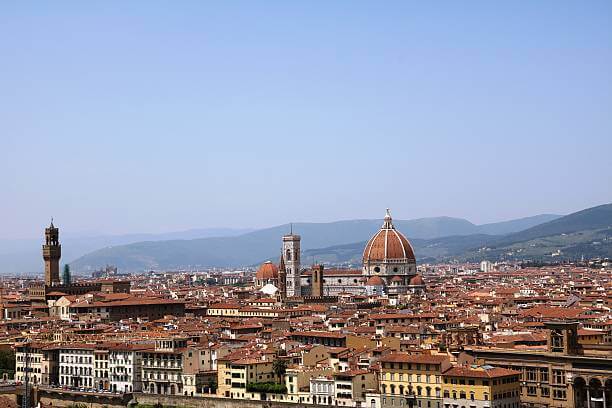
The Florence Cathedral, with its massive red-tiled dome designed by Filippo Brunelleschi, is widely considered the most iconic landmark in Florence Italy. It dominates the city’s skyline and embodies the spirit of Renaissance architecture in Florence.
Which Florence landmarks showcase the Renaissance?
Uffizi Gallery, Palazzo Pitti, and Brunelleschi’s Dome are key Renaissance sites.
How to explore Florence’s landmarks?
Walking tours are ideal most sites are in the historic center and easy to navigate with a map.