Rome in 3 Days:The Perfect 3-Day Rome Itinerary for First Time Visitors

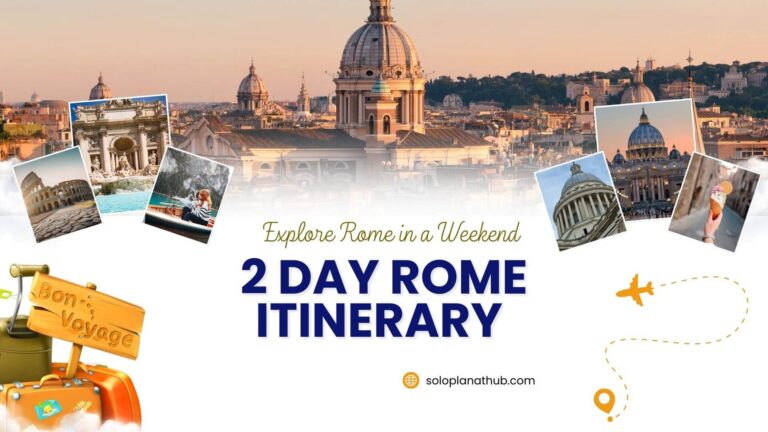
Planning a trip to Rome and wondering how to see the best of the city in a short time? This Rome in 3 Days itinerary is designed to help first-time visitors explore the Eternal City efficiently while still enjoying its history, food, and atmosphere. If your trip is shorter, you can follow our 2 Day Rome Itinerary, which covers the city’s most important highlights in just 48 hours.
In three days, you can visit Rome’s most iconic landmarks including the Colosseum, Vatican Museums, Trevi Fountain, Pantheon, and Spanish Steps, while also discovering charming neighborhoods like Trastevere and Monti. With the right planning, it’s possible to experience ancient ruins, beautiful piazzas, and authentic Roman cuisine without feeling rushed.
This guide provides a complete 3-day Rome itinerary, along with practical tips on the best time to visit, where to stay, and how to plan your days to avoid crowds. Follow this itinerary to experience the highlights of Rome while still enjoying the city’s unique culture and atmosphere.
Table of Contents
Is 3 Days Enough for Rome?
Choosing the right time to visit Rome can completely transform your trip. The Eternal City is beautiful all year round, but some months offer perfect weather, softer light, fewer tourists, and lower prices ideal for a 3-day itinerary. For a complete travel guide, read our Rome Travel Guide.
Best Time to Visit Rome
Spring (March–May)
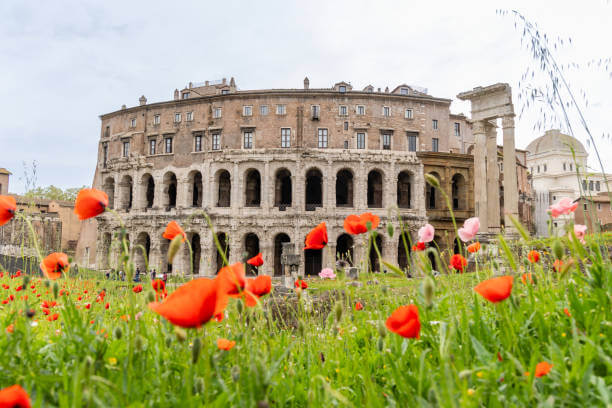
Spring is widely considered the most beautiful time to explore Rome.
- Mild temperatures (15–24°C) make walking around ancient sites comfortable
- City parks like Villa Borghese burst with flowers
- Outdoor cafes reopen, giving you the real Rome vibe
- Crowds are moderate compared to summer
- Perfect daylight for photography soft mornings, golden evenings
Travel Tip:
Easter week gets very busy. Book hotels early if traveling in April.
Autumn (September–November)
Autumn is another top season, especially for travelers who want comfort without extreme heat.
What makes fall ideal:
- Warm afternoons and cool, pleasant evenings
- Magical golden-hour light ideal for Colosseum & Trastevere photos
- Grapes, truffles, and fresh seasonal dishes in local trattorias
- Lower hotel rates compared to summer
- Manageable crowds at major landmarks
Travel Tip:
October is the sweet spot perfect temperatures and reasonable prices.
Summer (June–August)
This is peak tourism season, and many locals leave Rome for vacation.
Why it’s not recommended:
- Temperatures often hit 35–40°C
- Long queues at Vatican, Colosseum, Pantheon
- Hotels and flights at their highest prices
- Many authentic family-run restaurants close in August
Winter (December–February)
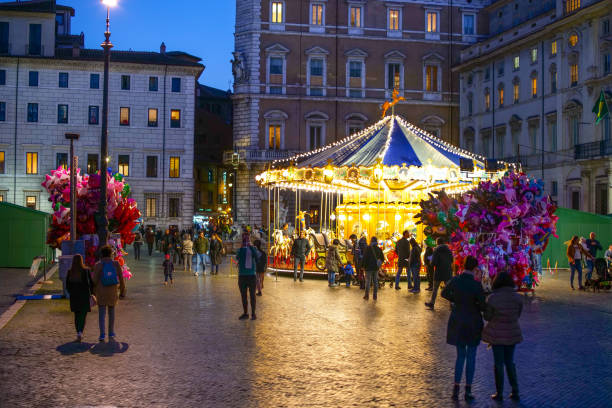
Rome during Christmas feels warm and romantic even in cool weather.
What to expect:
- Christmas markets, festive lights, Vatican celebrations
- Great shopping and holiday atmosphere
- Higher crowds around Christmas & New Year
- Cool temperatures (8–14°C)
Budget Tip:
First week of December is cheaper before holiday crowds arrive.
Why February works:
- Lowest hotel and flight prices of the year
- Very few tourists shorter lines everywhere
- Carnival events bring color and street celebrations
- Cool but walkable weather (8–15°C)
Where to Stay in Rome for Your 3-Day Trip
Seeing Rome in 3 Days allows travelers to visit all major attractions including the Colosseum, Vatican Museums, Trevi Fountain, and Spanish Steps while still enjoying slow, meaningful moments in the city’s charming neighborhoods.
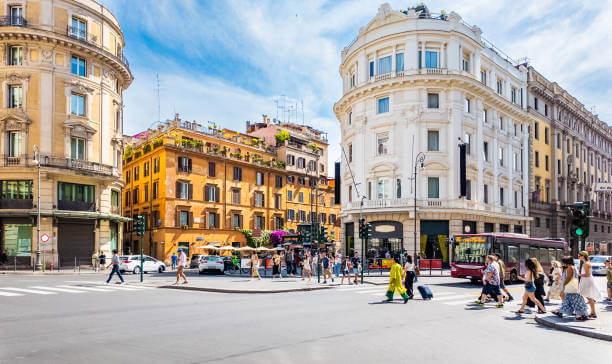
Centro Storico
Centro Storico is the best area to stay in Rome for first-time visitors, thanks to its unbeatable location, walkability, and access to iconic landmarks. Staying here puts you within minutes of the Pantheon, Trevi Fountain, Piazza Navona, Spanish Steps, and the Roman Forum making it perfect for sightseeing and short trips.
This neighborhood is safe, lively, and filled with restaurants, gelato shops, and charming piazzas, making it the ideal base for exploring Rome’s historic charm. If you want to explore beyond the main attractions, check our guide to Unique Things to Do in Rome, where we share hidden gems and local experiences.
Why Stay in Centro Storico?
- ✔ Closest neighborhood to major attractions in Rome
- ✔ Perfect for first-time travelers who want convenience
- ✔ Walkable location almost everything is 5–15 minutes on foot
- ✔ Great mix of restaurants, cafés, and boutique shops
- ✔ Easy access to public transport (metro, buses, taxis)
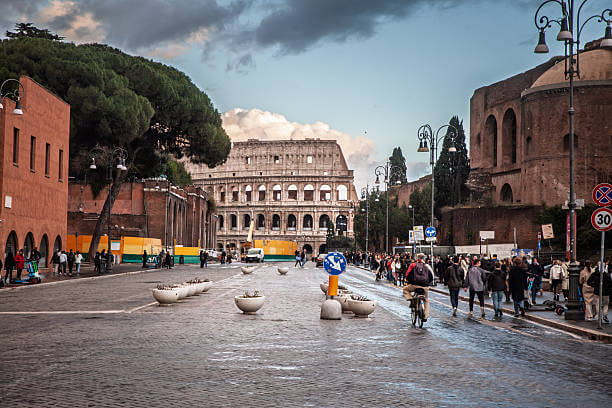
Monti near the Colosseum
Monti is one of the best neighborhoods to stay in Rome if you want a mix of history, cool cafés, and local fashion boutiques. Located just a few minutes from the Colosseum and Roman Forum, Monti is perfect for travelers who want a central location without the heavy tourist crowds.
Why Stay in Monti?
- ✔ Trendy and walkable neighborhood in Rome
- ✔ Close to top attractions like the Colosseum, Roman Forum, and Via dei Fori Imperiali
- ✔ Filled with artisan shops, wine bars, and hip restaurants
- ✔ Ideal for couples, solo travelers, and digital nomads
- ✔ Offers a great mix of classic Rome + modern boutique vibes
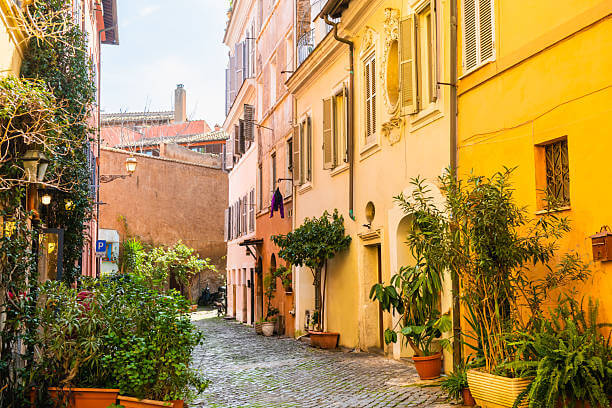
Trastevere
Trastevere is Rome’s most charming and colorful district, known for its authentic Roman atmosphere, cobblestone streets, and lively piazzas. It’s ideal for travelers who want to experience the local side of Rome with amazing nightlife, restaurants, and photo-worthy streets.
Why Stay in Trastevere?
- ✔ Best area in Rome for nightlife and local culture
- ✔ Beautiful medieval streets, vibrant bars, and traditional trattorias
- ✔ Great for foodies and travelers who prefer authentic, non-touristy vibes
- ✔ Easy access to Campo de’ Fiori, Piazza Navona, and the Vatican
- ✔ Safe, social, and full of energy day and night
Rome in 3 Days Itinerary
Exploring Rome in 3 days is the perfect way to experience the city’s most famous landmarks, historic neighborhoods, and incredible food. This itinerary is designed for first-time visitors who want to see the highlights without feeling rushed. Over the next three days, you’ll discover Ancient Rome at the Colosseum and Roman Forum, explore the art and history of Vatican City, and wander through the beautiful streets of the historic center, including the Pantheon and Piazza Navona.
Day 1: Ancient Rome
Colosseum (Morning)
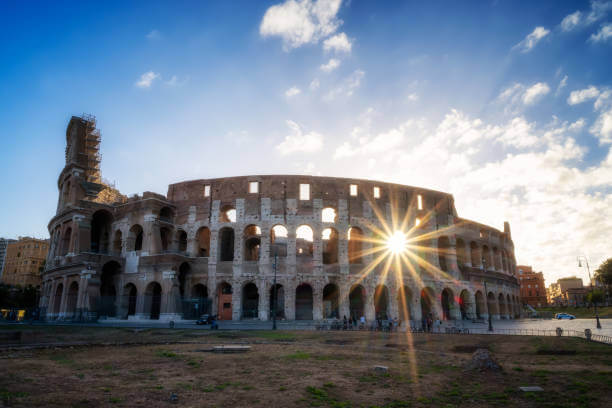
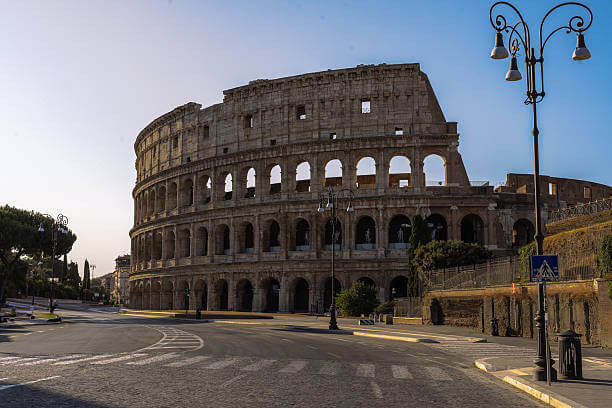
Start your Rome itinerary with the most powerful symbol of the ancient world: the Colosseum. Seeing this 2,000-year-old amphitheater in the fresh morning light is an unforgettable experience. To avoid long queues at the Colosseum, purchase tickets in advance from the official Colosseum ticket portal, where you’ll find updated entry options and guided tour availability.
Best Time to Visit the Colosseum
- 8:30 AM the earliest slot and the quietest time
- Cooler temperatures + beautiful morning photography
- Fewer crowds, faster entry, and better guided tours
Tickets & Costs
- Standard Ticket: €16 (gives access to Colosseum + Roman Forum + Palatine Hill)
- Skip-the-Line Tickets: Highly recommended saves 30–60 minutes
- Guided Tour: Best option for understanding the history
- Underground & Arena Floor Ticket: Limited availability but absolutely worth it
Tip for the Colosseum
Book the Arena Floor Access Ticket if available. Standing on the same platform where gladiators once entered the arena gives you a 360° panoramic view of the Colosseum interior. It’s one of the most immersive experiences in Rome and perfect for photography.
Roman Forum & Palatine Hill
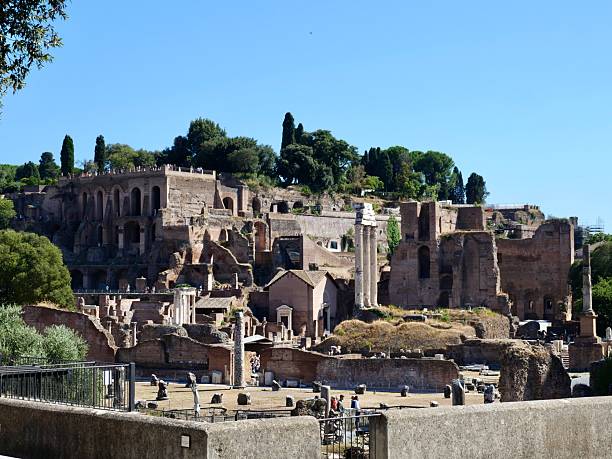
After exploring the Colosseum, continue your journey into the heart of ancient Rome with the Roman Forum and Palatine Hill two sites that complete the Colosseum experience and help you understand what life in Ancient Rome actually looked like.
The Roman Forum was the center of political, social, and religious life, filled with temples, basilicas, and marketplaces. A short walk uphill brings you to Palatine Hill, one of the Seven Hills of Rome and the birthplace of the city. This area offers some of the best panoramic viewpoints in Rome, perfect for photographers and history lovers.
Why Visit the Roman Forum & Palatine Hill?
- ✔ Best places to explore Ancient Rome after the Colosseum
- ✔ Home to temples, arches, and ruins over 2,000 years old
- ✔ Top panoramic viewpoints in Rome overlooking the Forum & Colosseum
- ✔ Great for slow walking, history tours, and architectural photography
- ✔ Included in your Colosseum combined ticket
How Long to Spend Here
- Roman Forum: 45–60 minutes
- Palatine Hill: 30–45 minutes
Total: 1.5–2 hours
Best Photo Spots
- Palatine Hill Terrace: Stunning bird’s-eye view of the Roman Forum
- Arch of Titus: Perfect frame shot with the Colosseum in the background
- Temple of Saturn Ruins: Classic postcard angle
Lunch in Monti
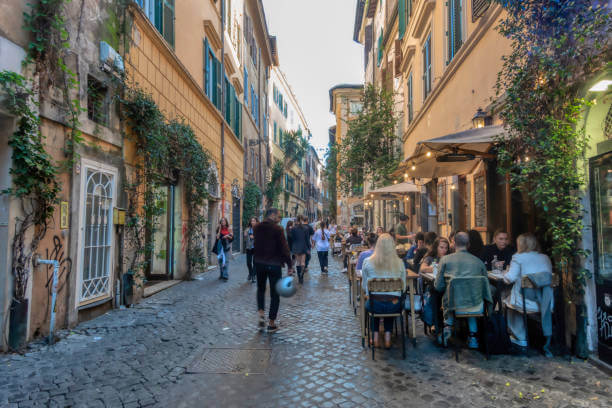
Head to Monti, one of Rome’s coolest and most charming neighborhoods, known for its narrow cobblestone streets and authentic Roman trattorias. It’s the perfect midday stop during your Rome one-day itinerary.
This charming, family-run restaurant is a true hidden gem for anyone seeking authentic traditional Roman cuisine. Every dish is made with fresh, locally sourced ingredients, following recipes that have been passed down through generations. The warm, homestyle atmosphere and friendly service make it feel like you’re dining in a real Roman home.
It’s an ideal stop for travelers who want to escape the tourist traps and experience the flavors Romans actually eat. Whether you’re enjoying lunch after sightseeing or settling in for a cozy dinner, this spot delivers genuine regional dishes with incredible care and quality.
What to Order
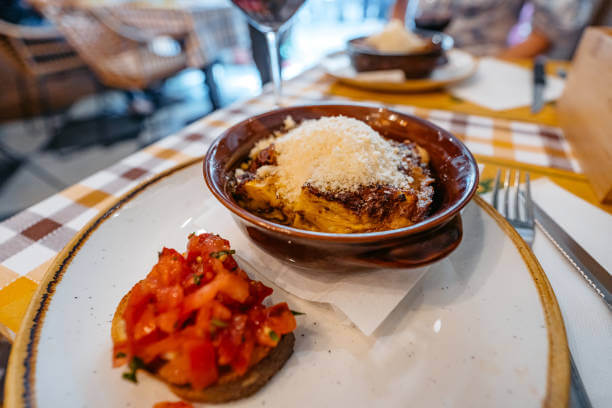
- Homemade Lasagna Rich, comforting, and layered to perfection.
- Amatriciana A Roman favorite made with guanciale, pecorino, and a tangy tomato sauce.
- Seasonal Specials Fresh, rotating dishes based on what’s in season, offering a true taste of Rome.
Consistently praised as one of the best restaurants in Monti, this is the perfect choice for those seeking a delicious, non-touristy dining experience that captures the real spirit of Roman food culture.
Trevi Fountain
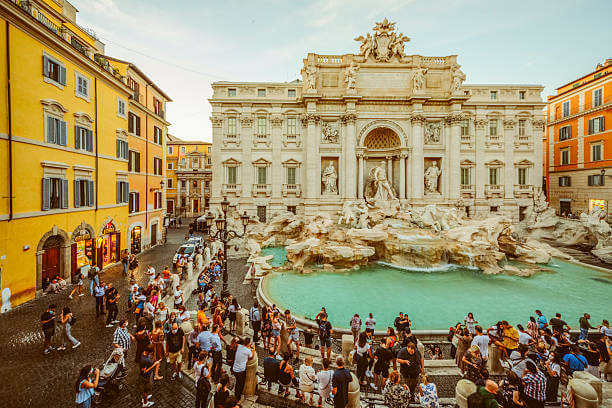
No Rome in 3 Days itinerary is complete without visiting the breathtaking Trevi Fountain. This world-famous Baroque masterpiece is not only the largest fountain in Rome but also one of the most iconic landmarks in all of Europe. Its dramatic sculptures, sparkling turquoise water, and historic charm make it a highlight of any Rome walking tour.
The fountain attracts millions of visitors every year, and its cinematic beauty has been featured in classic films making it a true symbol of the Eternal City.
Spanish Steps
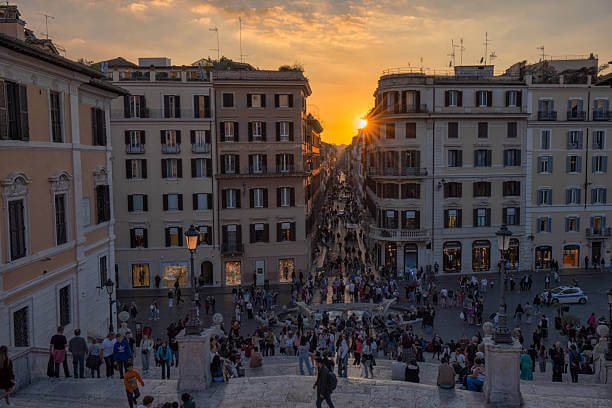
The Spanish Steps are one of the most iconic landmarks in Rome and a perfect final stop for your Rome evening itinerary. Visit during golden hour, when the sunlight hits the rooftops and the entire Piazza di Spagna glows beautifully.
Climb to the top of the staircase for a magical panoramic view of Rome it’s one of the best photo spots in the city and an essential part of any Rome travel guide or one-day Rome itinerary.
Why visit at sunset?
- Softer golden light for photos
- Romantic atmosphere
- Street musicians often perform here
- Stunning view over Via dei Condotti and the old city
Day 2: Vatican City & Trastevere
Vatican Museums & Sistine Chapel
The Vatican Museums are one of the most important cultural stops in any Rome in 3 Days itinerary. Home to centuries of art, history, and masterpieces collected by the Popes, this museum complex is massive so planning ahead is essential.
To make the most of your visit, book the first entry of the day. This gives you a head start before the heavy crowds arrive and allows you to enjoy the galleries in a more peaceful atmosphere. With more than 7km of exhibits, even a focused visit feels unforgettable. If you want to book your entry directly from the source, you can visit the official Vatican Museums website for updated timings, ticket prices, and skip-the-line options.
Highlights You Can’t Miss
Raphael Rooms
A series of frescoed rooms painted by Raphael and his students, showcasing monumental works like The School of Athens. These are among the most beautiful and intellectually rich rooms in the entire museum.
Gallery of Maps
A long, visually stunning corridor lined with enormous painted maps of Italy. Its golden ceilings and vibrant artwork make it one of the most photographed sections of the Vatican Museums. For more ideas on how to enjoy the Eternal City after dark, read my full Rome at night guide
The Spiral Staircase
Designed by Giuseppe Momo, this elegant double-helix staircase is an architectural masterpiece and one of the most iconic photo spots in the Vatican perfect for your Rome travel content.
Sistine Chapel
The final stop, and the crown jewel of the Vatican Museums. Michelangelo’s masterpiece including the Creation of Adam and the Last Judgment is even more powerful in person. Photography is strictly prohibited, so take your time and soak in the details.
St. Peter’s Basilica
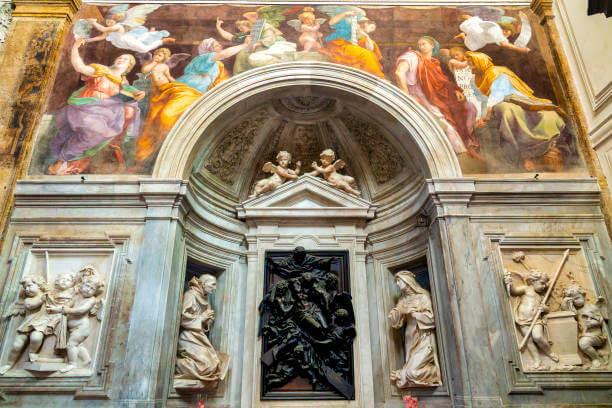
A visit to St. Peter’s Basilica is essential in any Rome in 3 Days itinerary. As the heart of Vatican City and one of the most important churches in the world, it offers a powerful mix of art, architecture, and spiritual grandeur. Best of all entry is completely FREE.
However, the lines can get extremely long, especially after 9 AM, so arriving early saves a lot of time. Once inside, you’ll be surrounded by towering marble columns, glittering mosaics, and some of the greatest masterpieces of the Renaissance.
Michelangelo’s Pietà
Located near the entrance, this breathtaking sculpture of Mary holding Jesus is one of Michelangelo’s greatest works. The emotional detail, lifelike folds of the marble, and divine composition make it one of the basilica’s most moving masterpieces.
Dome Climb
For the best panoramic views of Rome and Vatican City, climb to the top of St. Peter’s Dome. You can take an elevator part of the way or climb all 551 steps for a full experience. The reward is a stunning 360° view perfect for photos and a highlight of Day 2.
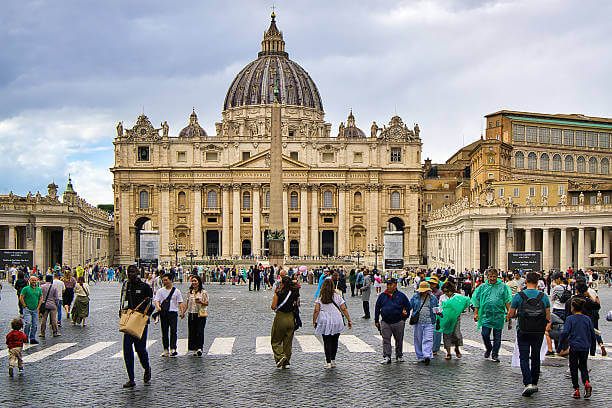
A wide shot of St. Peter’s Basilica façade with visitors in St. Peter’s Square
Lunch in Prati
After exploring the Vatican Museums, Sistine Chapel, and St. Peter’s Basilica, the neighborhood of Prati is the perfect place to stop for a relaxing, authentic Roman lunch. This elegant, residential district offers wide boulevards, calm streets, and some of the best local restaurants near the Vatican without the tourist crowds you’ll find around St. Peter’s Square.
Where to Eat in Prati: Osteria dell’Angelo
If you want authentic Roman food, this is one of the top choices in the area. Osteria dell’Angelo is a beloved local favorite, known for its traditional recipes, friendly service, and generous portions.
What to expect:
- Homemade Roman pastas like Carbonara, Amatriciana, Gricia, and Cacio e Pepe
- A warm, casual, family-style atmosphere
- Food that tastes like it was made in a Roman home kitchen
- Consistently great reviews from both locals and travelers
This is the kind of osteria where Romans eat every week which always means the food is the real deal.
Recommended dishes:
- Rigatoni alla Carbonara
- Pollo alla Romana
- Cacio e Pepe
- House tiramisu
- It’s the perfect fuel before heading to your next stop.
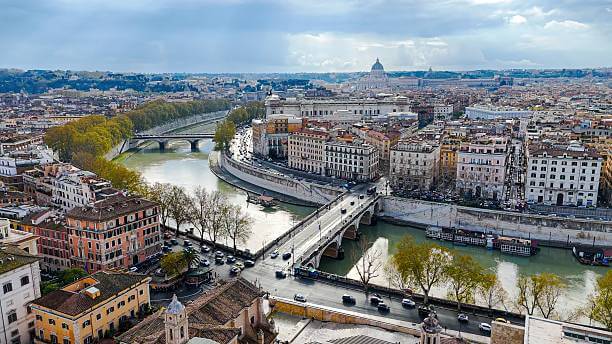
Castel Sant’Angelo
Castel Sant’Angelo is one of the most iconic and historically rich landmarks to include in any Rome in 3 Days itinerary. What makes it so fascinating is its unique transformation through the centuries few monuments in Rome have served so many purposes.
Why It’s a Must-Visit
The highlight for most travelers is the rooftop terrace, which offers one of the most spectacular panoramic views of Rome. From here, you can admire:
- The winding Tiber River
- Ponte Sant’Angelo and its angel statues
- The dome of St. Peter’s Basilica
- The skyline of the Centro Storico
It’s a dream location for photography lovers and a great place to slow down and appreciate the beauty of Rome.
Trastevere Night Walk
Ending Day 2 with a night walk through Trastevere is one of the best experiences you can add to your Rome in 3 Days itinerary. This lively, bohemian neighborhood transforms beautifully after sunset glowing lanterns, buzzing wine bars, musicians in the piazzas, and cobblestone alleys full of charm.
The atmosphere is warm, romantic, and full of character. You’ll pass artisan shops, ivy-covered buildings, trattorias spilling into the streets, and locals enjoying aperitivo. It’s the perfect place to relax after a full day of sightseeing, enjoy a glass of Italian wine, and soak in Rome’s authentic nightlife.
Day 3: Historic Center & Parks
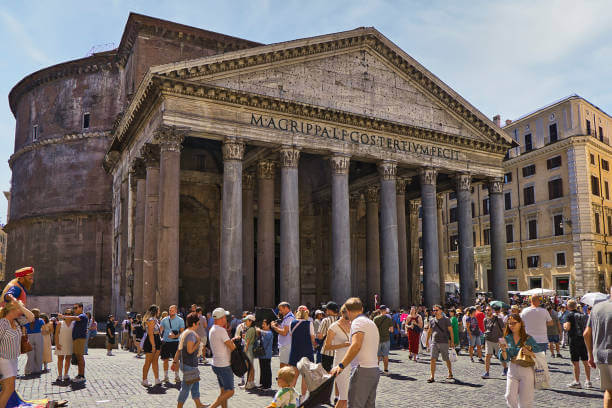
The Pantheon is one of the most extraordinary stops in any Rome in 3 Days itinerary and for good reason. As the oldest continuously functioning building in Rome, it has stood for nearly 2,000 years and remains one of the best-preserved ancient structures in the world. Travelers planning to visit several attractions may consider the Roma Pass.
Originally built as a temple to all Roman gods, it was later converted into a church, which helped protect it through the centuries. The Pantheon’s perfect proportions, massive granite columns, and iconic dome continue to impress architects and travelers alike.
The highlight is the Oculus, a nine-meter-wide opening at the top of the dome that lets natural light stream into the interior. On sunny days, the beam of light moves across the marble floor like a spotlight creating one of the most magical scenes in Rome.
Pantheon
The Pantheon is the oldest continuously functioning building in Rome over 2,000 years old and still standing in perfect condition. Its massive granite columns, marble floors, and iconic open dome (oculus) make it one of the greatest architectural achievements in history.
Inside, you’ll feel the silence, the echo of footsteps, and the soft circle of sunlight that moves across the interior like a spotlight.
Why it’s essential:
- Free entry
- Opens early (great for avoiding crowds)
- One of the best places for photography
- Stunning interior + real Roman history
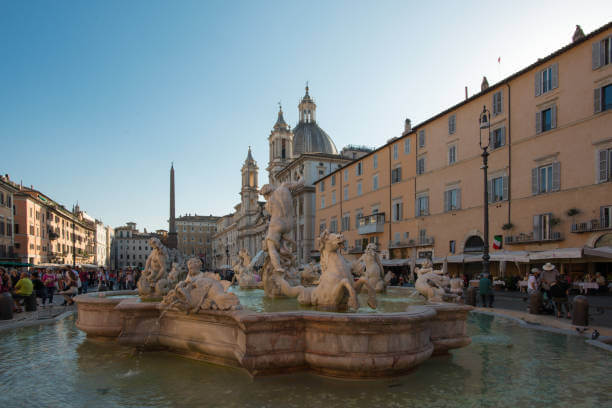
Piazza Navona
Piazza Navona is one of Rome’s most vibrant and beautiful squares, known for its Baroque fountains, artists, street performers, and lively café culture. Built on the former site of an ancient Roman stadium, it feels like a living postcard.
What makes it special:
- Bernini’s famous Fountain of the Four Rivers
- Street artists and musicians
- Outdoor cafés (perfect for a drink or gelato)
- Great spot for people-watching
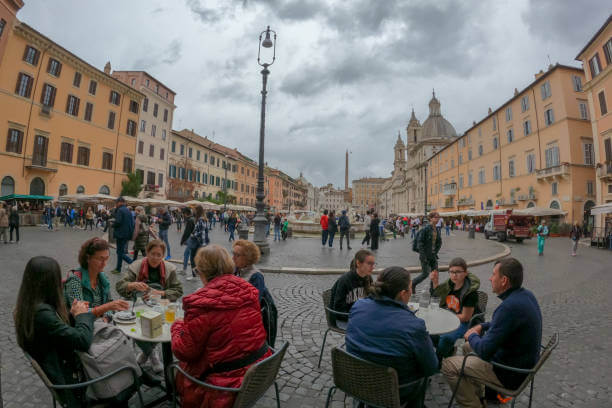
Lunch Near Piazza Navona
After exploring two major landmarks, it’s time to enjoy a classic Roman lunch nearby. Two great picks:
Recommended Restaurants:
- Tucci traditional Roman dishes, great outdoor seating
- Mimi e Coco cozy, popular for pasta + bruschetta
Both offer delicious carbonara, cacio e pepe, Roman pizza, and homemade desserts. If you want to explore more authentic local dishes beyond this itinerary, check out my complete food in Rome guide
Villa Borghese Gardens
The Villa Borghese Gardens are Rome’s green heart a peaceful escape after a busy morning exploring historic streets and landmarks. This massive park is full of tree-lined paths, lakes, museums, sculptures, and beautiful viewpoints overlooking the city.
What to Do in Villa Borghese
- Rent a bike or e-scooter:
Explore the park’s scenic paths without getting tired. - Have a picnic:
Grab sandwiches, pastries, or fresh fruit from a nearby café and relax under the trees. - Visit Galleria Borghese:
One of the most important art museums in Rome, featuring masterpieces by Bernini, Caravaggio, Raphael, and Canova. - Row a boat:
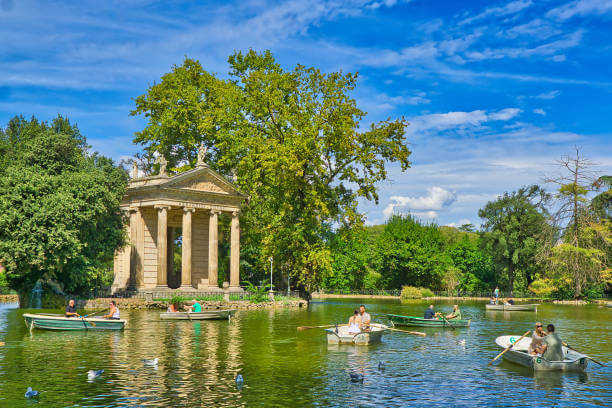
At the small lake near the Tempio di Esculapio, you can rent a rowboat for a romantic break. - Enjoy panoramic views:
The Pincio Terrace offers one of the best viewpoints in Rome, especially at sunset.
Essential Rome Travel Tips
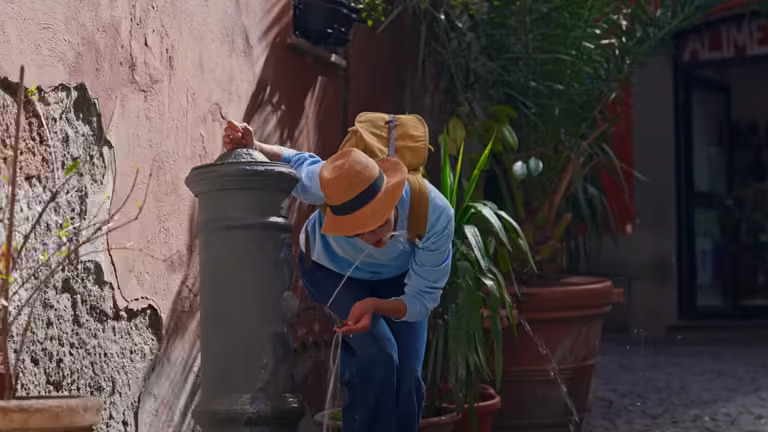
Visiting Rome for the first time can feel overwhelming, but a few smart tips will save you time, money, and stress. Start with Rome’s Nasoni water fountains, which provide clean, cold, completely safe drinking water across the entire city perfect for refilling your bottle and avoiding €3 plastic water purchases.
When choosing restaurants, avoid places with tourist menus or hosts standing outside calling you in. These usually offer overpriced, low-quality food. Instead, walk a street or two away from popular attractions local trattorias in Trastevere, Testaccio, and Monti offer far better meals at better prices.
Experiencing Rome in 3 Days
Rome is not just a destination Rome is a feeling. It’s the golden glow that wraps the city during sunset, the aroma of fresh pasta drifting from a tiny trattoria, the echo of ancient footsteps in every stone, and the unexpected magic that finds you when you wander without a plan. This Rome in 3 Days itinerary isn’t just about visiting landmarks it’s about experiencing the soul of the Eternal City.
By following this curated guide, you will do more than simply see Rome you’ll feel it. You’ll savor its unforgettable food, walk through layers of ancient history, enjoy breathtaking viewpoints, explore vibrant neighborhoods, and absorb the beautiful, chaotic, unforgettable energy that makes Rome unlike any other place in the world.
Whether you’re visiting Rome for the first time or returning for your tenth trip, the city has a way of staying with you. The moment you leave, you’ll find yourself replaying its moments the quiet mornings, the buzzing piazzas, the warm nights and planning your next adventure before your flight even takes off.
What is the best itinerary for 3 days in Rome?
3-day Rome itinerary should cover Ancient Rome, the Historic Center, and Vatican City . Add a walk through Trastevere or Monti for local food and nightlife.
What is the first thing to do when visiting Rome?
Start with the Colosseum in the morning, when crowds are smaller and temperatures are cooler. It sets the perfect tone for understanding Rome’s history before exploring the neighboring Roman Forum and Palatine Hill.
What should tourists avoid doing in Rome?
Avoid restaurants with tourist menus, don’t sit on monuments, keep wallets zipped in crowded areas, and skip buying water near major attractions. Always book Vatican and Colosseum tickets ahead of time to avoid huge queues.
What should I wear in Rome so I don’t look like a tourist?
Opt for neutral colors, comfortable shoes, and stylish but simple outfits. Avoid overly sporty clothes, flip-flops, and large backpacks. Bring a scarf to enter churches, and remember shoulders must be covered for Vatican visits.
Is 3 days enough to see Rome?
Yes three days is enough to see Rome’s top attractions if you plan your route well.