
20+ Unique Things to Do in Venice

If you’re searching for unique things to do in Venice, Italy, you’re probably not interested in rushing from St. Mark’s Square to the Rialto Bridge with a crowd at your heels. Slower travel is rewarded in Venice. Quiet neighborhoods, local food customs, forgotten museums, and moments that don’t show up on postcards are where the true charm resides. Travelers who want updated information about attractions, museums, and events can also check the official tourism website of Destination Venice for schedules and travel updates.
What Makes Venice Truly Unique?
Venice is not a city to conquer it’s a city to experience slowly. If you enjoy exploring cities beyond the obvious highlights, you might also like discovering unique things to do in Rome, where hidden neighborhoods and local experiences reveal a very different side of Italy
Beyond gondolas and landmarks lies a quieter Venice filled with local neighborhoods, hidden canals, food traditions, and moments that feel personal rather than staged. Whether you’re a first-time visitor, a curious traveler, or someone looking for depth over photos, these ideas show a side of Venice most people never see..
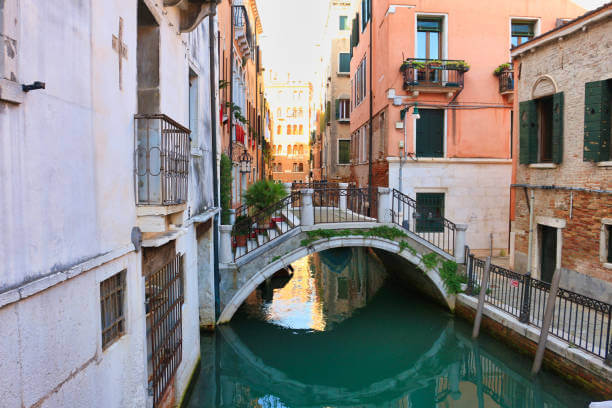
Table of Contents
Why Venice Is Better When You Go Offbeat
Venice has no cars, no suburbs, and no shortcuts. That alone makes everyday life here unusual. Once you step away from the obvious landmarks, you’ll find a city that feels more like a collection of villages stitched together by canals. These unique things to do in Venice focus on everyday life, local neighborhoods, and experiences that don’t revolve around major landmarks. These experiences work because they align with how Venetians actually live slowly, socially, and with strong traditions around food, art, and neighborhood identity. Travelers who enjoy offbeat travel will find similar inspiration in unusual things to do in Florence, where local culture shines.
Unique & Non-Touristy Things to Do in Venice
Get Lost on Purpose (Yes, Really)
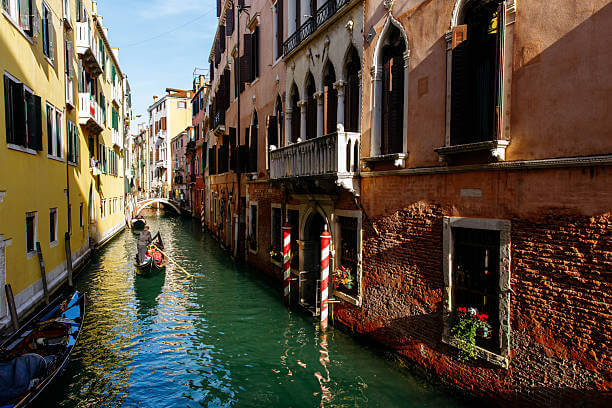
Venice is one of the few cities where getting lost is a feature, not a problem. GPS struggles here, and that’s a gift. Wander without a destination. Cross bridges you didn’t plan to cross. You’ll find quiet canals, laundry lines overhead, and sudden moments of beauty that never make guidebooks. This is one of the most non touristy things to do in Venice, and it costs nothing.
Explore Cannaregio Like a Local
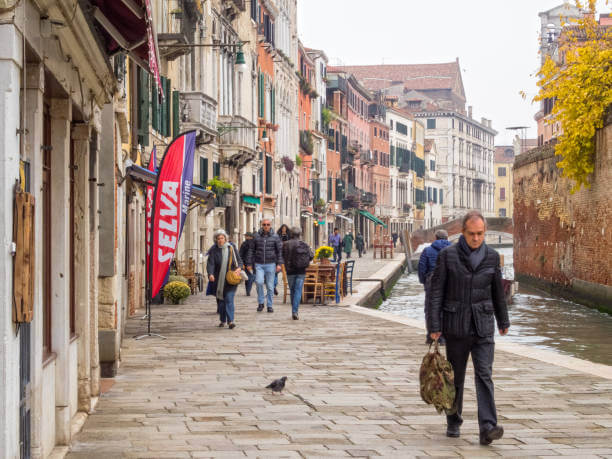
Cannaregio is where Venice still feels residential. It’s home to local bakeries, neighborhood bars, and long canal-side walks without souvenir stands. In the evenings, locals gather for drinks and cicchetti (small bites). You’ll hear Italian more than English, which is always a good sign.
Visit the Venetian Jewish Ghetto
Established in the early 16th century, the Venetian Ghetto is historically significant and quietly powerful. The area is calm, reflective, and very different from central Venice. Learn more about Venice’s districts in our one day in Venice itinerary guide
Ride Vaporetto Line 1
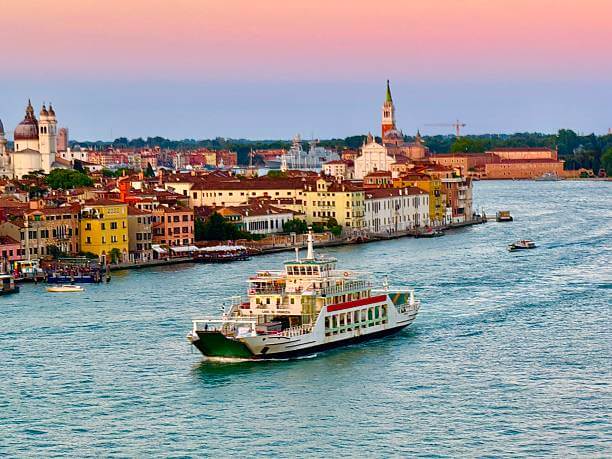
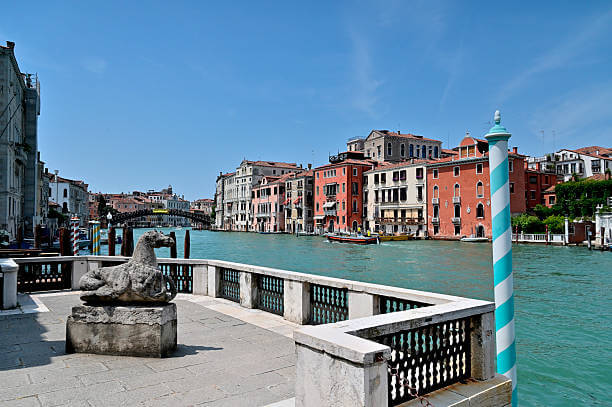
If you want canal views without the gondola price, ride Vaporetto Line 1 along the Grand Canal. It’s public transport, used by locals and commuters, and offers front-row views of palazzi, bridges, and daily life on the water. Sit back and let Venice move past you.
Discover Your Favorite Bridge
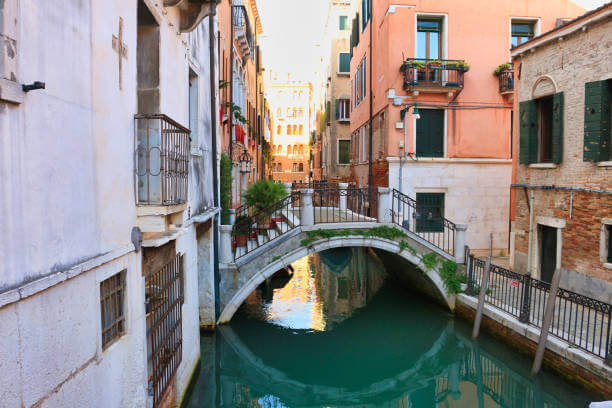
Venice is a city built on water, and its story is written in bridges more than 400 of them weave across canals, connecting neighborhoods, histories, and everyday life. Yet most travelers return home remembering only two: the famous Rialto and perhaps the Accademia.
To truly experience Venice, step away from these icons and seek out the smaller, quieter bridges hidden in less crowded districts. These crossings offer a slower, more intimate view of the city, where laundry hangs above narrow canals and locals pass by without a second glance.
One such place is Ponte Chiodo, one of the last remaining bridges without railings. Crossing it feels slightly unsteady, almost old-fashioned, and that’s exactly the point. It serves as a gentle reminder that Venice doesn’t always modernize for comfort or safety sometimes, it preserves the past exactly as it was meant to be felt.
Climb a Bell Tower That Isn’t St. Mark’s
San Giorgio Maggiore’s bell tower offers one of the best panoramic views in Venice, and it’s rarely crowded. You’ll see St. Mark’s from across the lagoon, which provides context instead of chaos.
Visit the Peggy Guggenheim Collection
Even if modern art isn’t your priority, the Peggy Guggenheim Collection is still worth a stop if only for its stunning terrace overlooking the Grand Canal. Away from the busy streets and crowded vaporetto stops, this peaceful space offers a rare chance to slow down. For current exhibitions and opening hours, visitors can check the official website of the Peggy Guggenheim Collection before planning their visit.
Settle into a chair, feel the breeze off the water, and watch gondolas, water taxis, and daily Venetian life drift past. It’s one of the few places in the city where you can sit quietly and observe Venice as it truly is, without being rushed from one sight to the next.
Sometimes, the best part of a museum isn’t what hangs on the walls but the moment of stillness it gives you.
Take a Day Trip to Burano
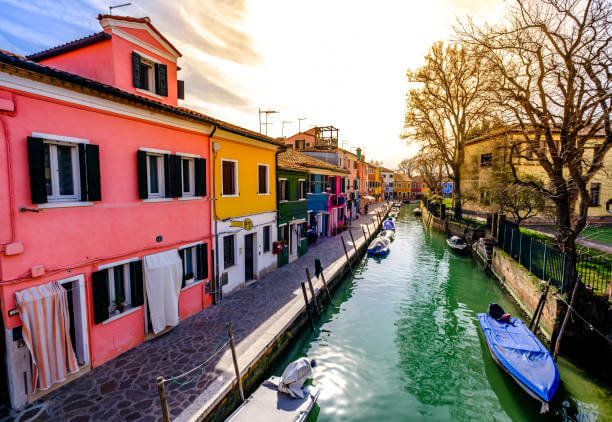
Murano is famous for glass. Burano is unforgettable for its color. While Murano draws visitors with centuries-old craftsmanship, Burano captures the heart through its vivid streets and playful charm.
The brightly painted houses weren’t created for tourists or Instagram they once served a practical purpose, helping fishermen recognize their homes through thick lagoon fog. Each color carried meaning, turning the island into a living map.
Today, Burano remains one of the most photogenic and relaxed places in the Venetian lagoon. Wander slowly, linger by the canals, and let the colors do what they’ve always done best: guide you, calm you, and make you stay a little longer.
Step Inside Ordinary Churches
Venetian churches are less about spectacle and more about atmosphere. Many are free to enter and house Renaissance masterpieces without queues. They’re also quiet, cool, and excellent places to reset.
Eat Cicchetti the Right Way
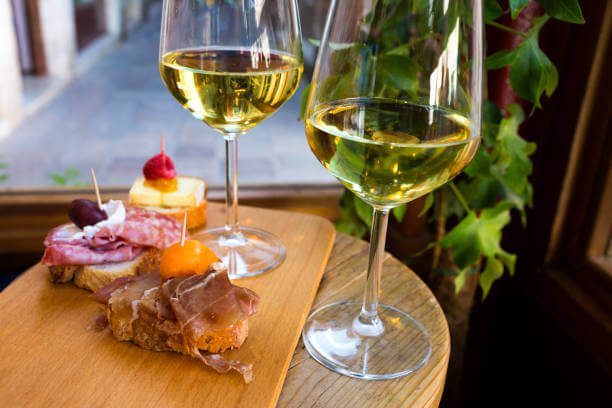
Cicchetti aren’t tapas for tourists. They’re quick bites eaten standing up with a drink. Order one or two, move on, repeat. This is how locals socialize, especially in the early evening. If you’re interested in regional food culture, you might also enjoy our Food in Rome Italy guide.

Drink a Traditional Venetian Spritz
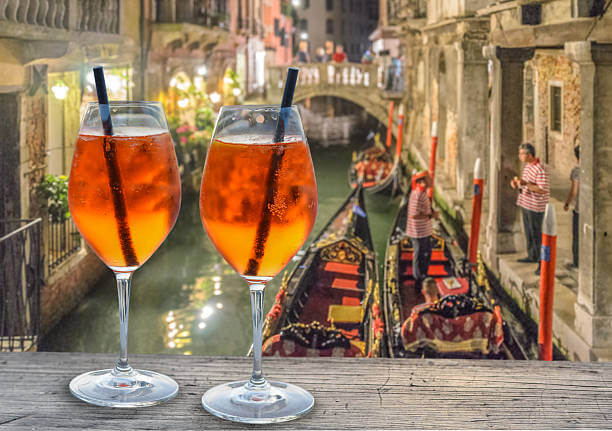
The original Venetian spritz isn’t overly sweet or flashy. Unlike the tourist version made almost entirely with Aperol, locals often prefer Select or Campari, giving the drink a more bitter, balanced flavor. What matters most isn’t what’s in the glass, but how it’s enjoyed. A spritz is meant to be sipped slowly, standing at a bar or sitting by a canal, watching Venice move at its own pace. It’s a ritual of pause a small reminder to slow down. Venetian cicchetti follow the same philosophy of simplicity and freshness found in Food in Rome Italy, especially in cities like Rome.
Browse Libreria Acqua Alta
Libreria Acqua Alta is one of Venice’s most unique bookstores, designed to survive regular flooding. Books are stacked inside bathtubs, boats, and waterproof bins, creating a space that feels chaotic yet magical. Yes, it’s popular now, but its charm remains if you slow down. Instead of rushing for photos, take time to browse, flip through pages, and explore quiet corners that’s when the bookstore truly comes alive.

Visit La Fenice Opera House
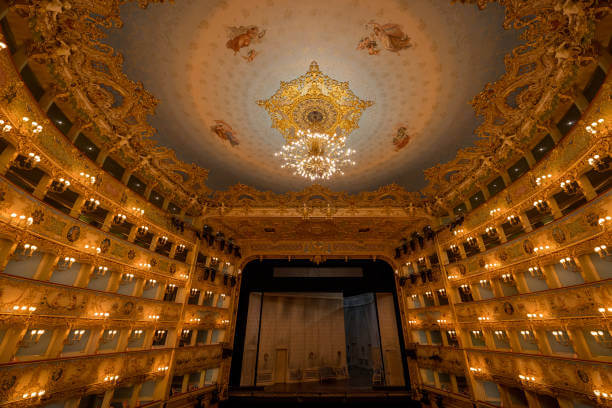
La Fenice has burned down twice and been rebuilt twice earning its name, which means The Phoenix. Whether you attend an evening performance or take a daytime tour, stepping inside reveals gilded balconies, rich red velvet, and centuries of musical history. More than just a beautiful building, La Fenice stands as an elegant symbol of Venice’s resilience and determination to preserve its cultural soul. Performance schedules and guided tours are listed on the official website of Teatro La Fenice, which provides the latest event calendar.
Shop at Rialto Market Early
Visit Rialto Market early in the morning, when vendors are setting up their stalls and locals are doing their daily shopping. Fish glistens on ice, voices echo across the stalls, and the city feels alive in a way it rarely does later in the day. This is one of the few places where Venice still feels like a working city not a performance for visitors, but everyday life unfolding as it always has.
Walk Venice at Night
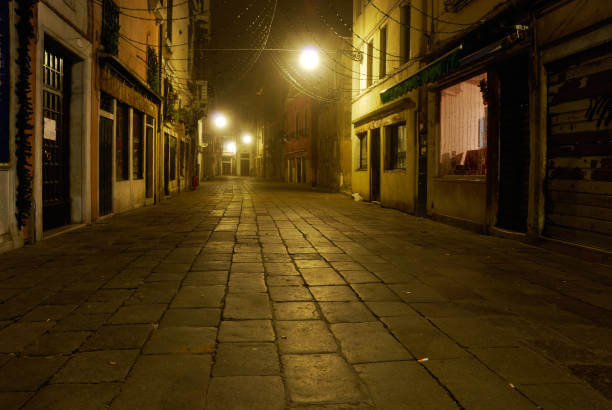
After dinner, Venice slowly empties out. Day-trippers disappear, shops close their doors, and the city exhales. Streets become quiet, canals turn glassy with reflections, and footsteps echo softly through narrow alleys. Walking Venice at night feels almost private like seeing the city as it truly is. It’s one of the most underrated and atmospheric offbeat things to do in Venice.
Visit Lesser-Known Museums
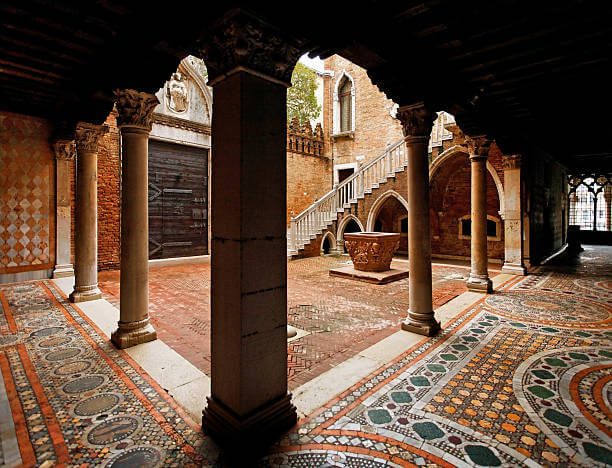
While Venice’s famous museums draw crowds, places like Ca’ d’Oro and Palazzo Grimani offer a quieter, more personal look at Venetian life. These museums explore art, architecture, and domestic spaces beyond politics and religion. They’re often included in city museum passes supported by local cultural authorities, making them both accessible and deeply rewarding. Venetian civic museums and historic palaces
See Art at Scuola Grande di San Rocco
Scuola Grande di San Rocco houses an entire cycle of dramatic paintings by Tintoretto, covering walls and ceilings alike. The experience is immersive and intense, drawing you into light, shadow, and emotion. Despite its artistic importance, it’s often overlooked by visitors focused on larger museums making it one of Venice’s most powerful hidden art experiences.
Take a Food-Focused Walking Tour
Skip generic “Venice highlights” food tours and choose ones based in Cannaregio or San Polo. These neighborhoods focus on real Venetian food traditions cicchetti bars, bakeries, and family-run spots rather than tourist menus. You’ll eat better, learn more, and understand how locals actually experience their city.
Visit the Accademia Galleries Strategically
The Accademia Galleries reward a thoughtful approach. Go early in the morning or later in the afternoon to avoid crowds. Instead of trying to see everything, focus on Venetian masters like Titian, Veronese, and Bellini. Here, quality truly beats quantity and slower viewing leads to deeper appreciation. Focus on Venetian masters rather than trying to see everything. The collection includes works by Titian, Veronese, and Tintoretto, making it one of the best places to experience Venetian Renaissance art at the Accademia Galleries without rushing

Sit Somewhere and Do Nothing
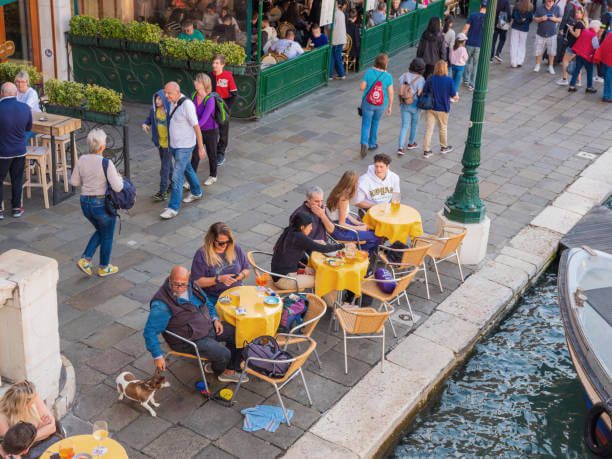
Find a quiet square, church steps, or canal edge. Sit. Watch. Listen. In Venice, doing nothing is not wasted time it’s how the city reveals itself. Boats pass, conversations drift by, and light shifts across water. Venice is not meant to be consumed quickly it’s meant to be absorbed slowly.
Ride a Gondola But Only If You Truly Want To
Gondolas are iconic, carefully regulated by the city, and priced uniformly. They offer atmosphere and tradition, but they’re not essential to experiencing Venice. If it feels meaningful to you, go for it. If not, don’t feel obligated. Venice doesn’t require a checklist it rewards intention.
Cost Breakdown
- Vaporetto single ride: budget-friendly to moderate
- Museum entries: low to mid-range depending on access
- Food (local bars): affordable with smart choices
- Gondola rides: premium experience with fixed city-regulated pricing
Simple Trip Cost Estimation Formula for Venice
Planning your budget is easier when you keep it flexible. Venice doesn’t reward rushed sightseeing it rewards smart choices.
Daily Venice Budget Formula:
Daily Venice Budget =
(Accommodation per night ÷ total nights) + Food + Transport + Activities Instead of cutting food quality, adjust activities and transport choices. Walking, local vaporetto routes, and neighborhood dining help keep costs reasonable while still enjoying unique things to do in Venice.
Pros and Cons of Exploring Venice Off the Beaten Path
Choosing slower travel ideas in Venice comes with real advantages but also a few trade-offs. Knowing both helps you plan better.
Pros
- Fewer crowds compared to major tourist landmarks
- More authentic experiences rooted in local Venetian life
- Better value for money, especially for food and transport
- Deeper cultural understanding beyond surface-level sightseeing
- Ideal for travelers seeking unique things to do in Venice Italy for adults and young adults
Cons
- Requires patience and curiosity
- Less instant “Instagram validation”
- Navigation can be confusing, especially without GPS
- Some hidden spots may require extra walking or planning
Still, for travelers interested in slower travel ideas in Venice, the pros almost always outweigh the cons.
Venice rewards travelers who slow down. The most unique things to do in Venice aren’t about landmarks they’re about observing, tasting, wandering, and allowing the city to unfold naturally. Venetian Jewish Ghetto history and synagogues
By focusing on local experiences in Venice, and authentic Venetian experiences, you’ll spend less time in crowds and more time connecting with the city. Let Venice unfold naturally, and it will offer far more than any checklist ever could.
What are the most unique things to do in Venice?
Some of the most unique things to do in Venice include getting lost in residential neighborhoods like Cannaregio, riding Vaporetto Line 1 instead of a gondola, visiting the Jewish Ghetto, exploring Burano island, and enjoying cicchetti like a local. These experiences go beyond tourist landmarks and show real Venetian life.
What are the best non touristy things to do in Venice?
The best non touristy things to do in Venice are walking the city at night, shopping at Rialto Market early in the morning, visiting lesser-known museums like Palazzo Grimani, and sitting in quiet campos to observe daily life. These offbeat experiences avoid crowds and feel more authentic.
Is Venice worth visiting beyond tourist attractions?
Yes, Venice is absolutely worth visiting beyond its famous sights. The city’s real charm appears in hidden canals, local food traditions, historic neighborhoods, and slow travel experiences. Many travelers find Venice more enjoyable when focusing on hidden gems and everyday moments.
What food is a must-try in Venice?
Cicchetti are a must-try food in Venice. These small Venetian snacks are traditionally eaten standing up with a drink. Seafood dishes, seasonal vegetables, and simple pasta reflect the city’s local food culture better than tourist menus.
Is riding a gondola worth it, or are there alternatives?
Gondola rides are iconic but optional. A more affordable and local alternative is riding Vaporetto Line 1 along the Grand Canal. It offers similar views while being part of everyday Venetian transport.
Can you explore Venice for free?
Yes, many unique things to do in Venice are free. Walking neighborhoods, visiting churches, exploring markets, crossing historic bridges, and enjoying Venice at night cost nothing and often provide the most memorable experiences.
What is the best way to see the hidden side of Venice?
The best way to see Venice’s hidden side is to slow down. Walk without a plan, avoid peak hours, eat where locals eat, and focus on residential areas. This approach reveals offbeat things to do in Venice that most tourists miss.