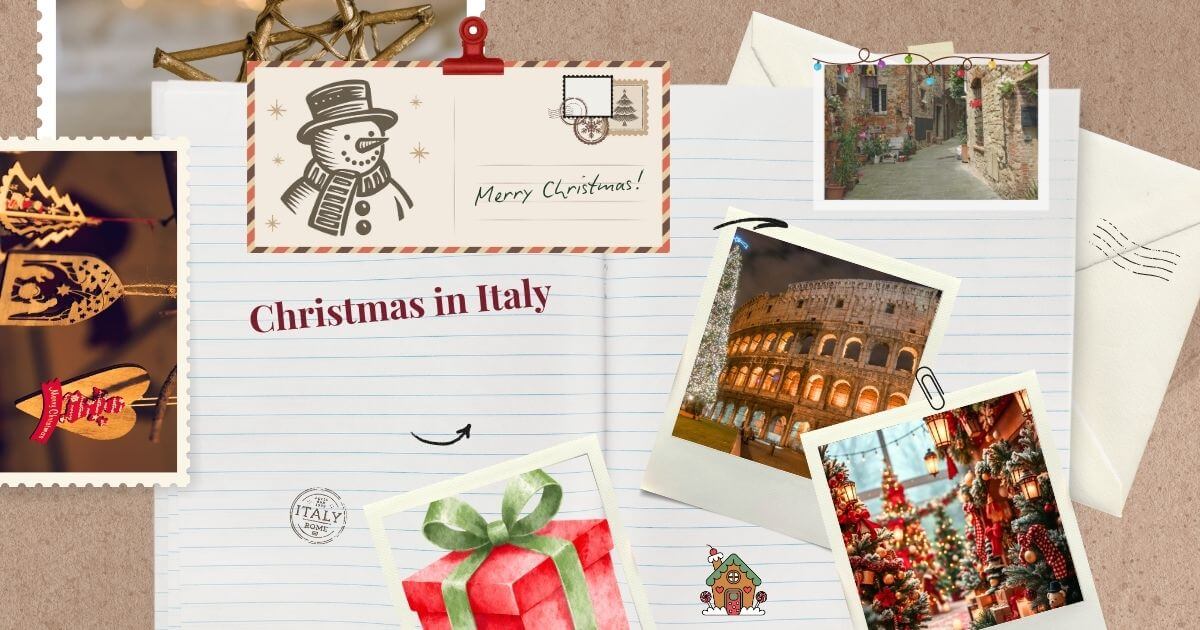
Christmas in Italy 15+Traditions, Weather Tips & Festive Itineraries

hristmas in Italy is one of the most magical times of the year to explore the country. From historic cities glowing with festive lights to deeply rooted traditions passed down through generations, Christmas in Italy offers an experience that feels both cultural and emotional. Whether you are planning a short holiday or a longer Christmas in Italy itinerary, visiting Italy during December allows you to see the country at its most authentic.
Christmas in Italy is a deeply traditional and atmospheric experience that blends religion, family, culture, and seasonal charm. Celebrated from early December through January 6, Italian Christmas traditions focus on nativity scenes, festive markets, and long family meals rather than commercial excess. If you want something different, there are plenty of unique things to do in Florence
Cities like Rome, Florence, Milan, and Naples each offer unique holiday experiences—from Vatican Masses and romantic markets to luxury shopping and historic presepi. Visiting Italy at Christmas means fewer crowds, festive streets, authentic food, and a slower, more intimate way to experience the country’s culture, making it one of the best times of year to explore Italy.
Table of Contents
Why Christmas in Italy Is a Magical Time to Visit
Christmas in Italy is not loud or overly commercial it’s deeply emotional, traditional, and beautifully authentic. Rather than flashy sales and crowded malls, the season is defined by centuries-old customs, family traditions, and a peaceful festive atmosphere that feels truly local.
As you wander through Italian cities and small towns in December, you’ll discover candlelit churches, softly echoing with carols, and handcrafted nativity scenes displayed everywhere from grand cathedrals to tiny village windows. Historic piazzas glow with warm lights, Christmas trees, and gentle music, creating a romantic and timeless winter setting. For official holiday events and seasonal updates, check the Italy official tourism website.
Food plays a central role in Christmas in Italy. Families gather for long, multi-course meals, sharing recipes passed down through generations, especially on Christmas Eve and Christmas Day. Markets sell seasonal sweets, roasted chestnuts, and traditional treats, filling the air with irresistible aromas.
What makes Christmas in Italy truly special is that it’s celebrated as a season, not just a single day. Festivities begin in early December and continue until Epiphany on January 6, when La Befana delivers gifts to children. This extended celebration makes Italy an ideal destination for slow winter travel, offering fewer crowds, magical scenery, and an intimate glimpse into Italian culture at its most heartfelt.
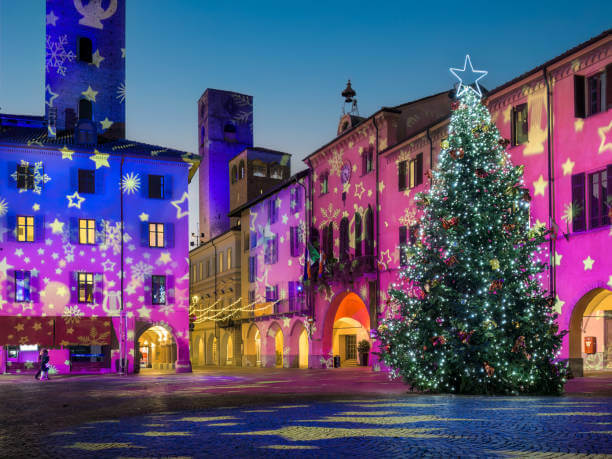
Does Italy Celebrate Christmas?
Yes Italy celebrates Christmas deeply and traditionally.
Christmas in Italy is:
- A major religious holiday
- A family-centered celebration
- More focused on food, faith, and togetherness than gifts
Christmas Day (25 December) is a national holiday, and most Italians spend it with family rather than traveling or shopping.
Italy in Christmas Weather: What to Expect
Visiting Italy during Christmas offers a magical blend of festive atmosphere, fewer crowds, and comfortable winter temperatures. While weather varies by region, December is generally mild compared to much of Europe making it an excellent time for sightseeing, Christmas markets, and cultural experiences.
Rome & Florence
Average temperature: 8–14°C (46–57°F)
Rome and Florence enjoy relatively mild winters, making them ideal destinations during the Christmas season. Days are cool but pleasant for walking tours, historic sites, and outdoor piazzas.
- Expect crisp mornings and mild afternoons
- Occasional light rain, but snowfall is extremely rare
- Christmas lights, nativity scenes, and festive markets add charm
- Perfect weather for city exploration without summer crowds
Best for: Walking itineraries, historic sightseeing, photography, Christmas Mass at the Vatican.
Milan & Venice
Average temperature: 2–8°C (36–46°F)
Northern Italy is noticeably colder in December, with foggy mornings and damp air especially in Venice.
- Milan feels colder due to humidity and fog
- Venice can be misty, creating a dramatic, cinematic atmosphere
- Christmas markets, lights, and holiday shopping are highlights
- Snow is possible but not guaranteed
Best for: Christmas markets, fashion shopping, romantic winter photography.
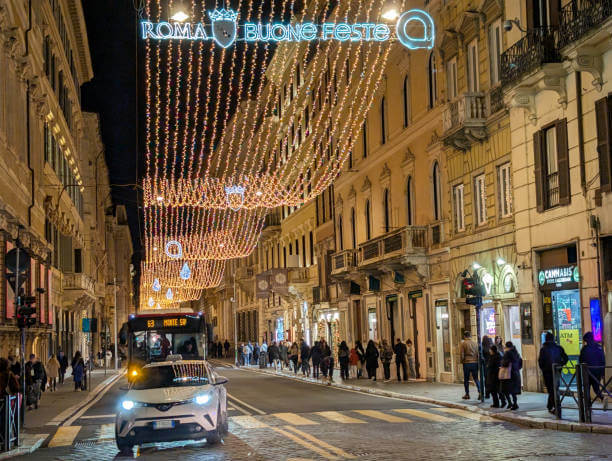
Southern Italy
Average temperature: 12–18°C (54–64°F)
Southern Italy surprises many travelers with its mild and sunny winter climate. While it’s not beach weather, it’s extremely comfortable for exploring.
- Warmer days and brighter skies
- Fewer tourists and better hotel prices
- Strong local Christmas traditions and food culture
- Best for: Relaxed travel, food-focused trips, cultural exploration.
Christmas in Italy Traditions You Must Experience
La Vigilia Christmas Eve in Italy
Christmas Eve in Italy, known as La Vigilia, is one of the most meaningful nights of the holiday season. Rooted in Catholic tradition, the evening is marked by a seafood-only dinner, with meat traditionally avoided especially in religious households. Rather than being rushed, La Vigilia is slow, social, and deeply family-focused.
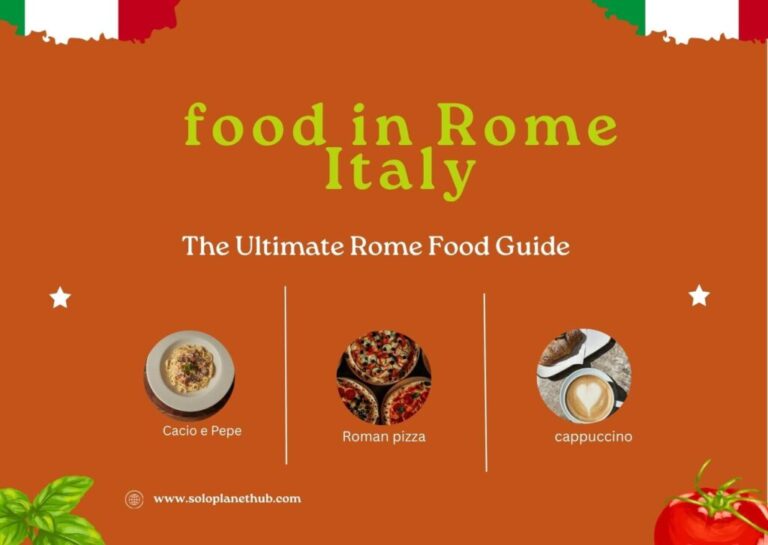
Typical Christmas Eve dishes in Italy include fried fish, pasta with clams , and baccalà (salt cod) prepared in regional styles. Families usually eat late in the evening, lingering at the table for hours, sharing stories, wine, and laughter before preparing for Christmas Day. In many homes, the night ends with a walk through the neighborhood or attendance at Midnight Mass. Rome is especially famous for its rich festive dishes, and trying food in Rome italy guide is a highlight of the season.
Christmas Day in Italy (25 December)
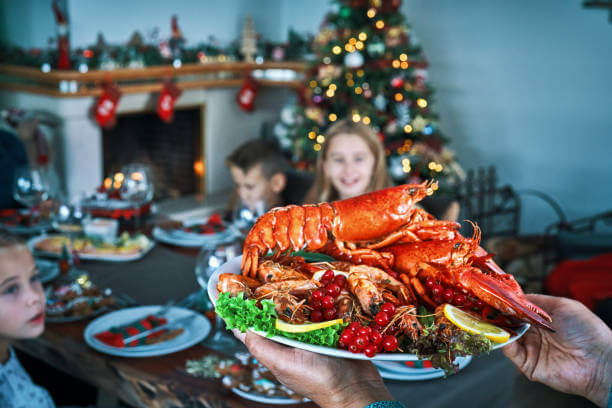
Christmas Day in Italy is calm, intimate, and centered entirely around family. Cities slow down dramatically shops close, streets fall quiet, and daily routines pause in favor of togetherness. Unlike the bustle of Christmas Eve, December 25 is about staying home and savoring the moment.
Families gather for a long, traditional Christmas lunch, which often lasts four to six hours and features multiple courses. Meals vary by region but typically include homemade pasta, roasted dishes, seasonal vegetables, traditional desserts, and plenty of conversation. The focus is not on gifts or schedules, but on food, connection, and shared time.
Nativity Scenes in Italy
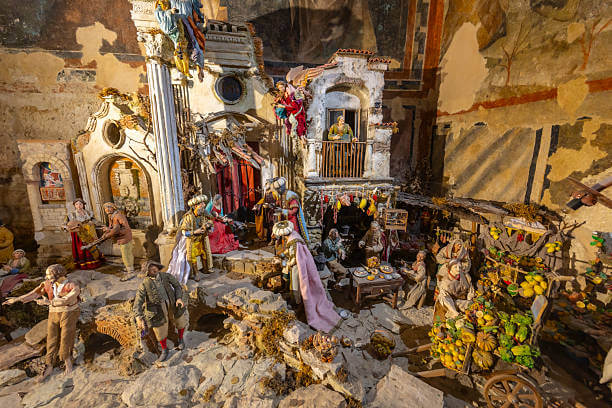
In Italy, nativity scenes known as Presepi hold far greater cultural and emotional importance than Christmas trees. The tradition dates back centuries and focuses on storytelling, craftsmanship, and faith rather than decoration alone. For many Italians, the Presepe is the true heart of Christmas.
During the holiday season, you’ll find nativity scenes everywhere across Italy inside grand cathedrals and small neighborhood churches, displayed proudly in family homes, set up in public squares, and even carved into cliffs, caves, or natural landscapes in rural areas. Some towns transform entire streets into living nativity scenes with actors, animals, and traditional costumes.
Naples is world-famous for its Presepi, especially the handcrafted figurines made in the historic San Gregorio Armeno district. These nativity figures are incredibly detailed and often include not only biblical characters but also modern figures like shopkeepers, musicians, and everyday Italians making each scene a reflection of local life.
Italy Christmas Albero
While nativity scenes dominate Italian Christmas traditions, Christmas trees are also widely celebrated particularly in major cities and public spaces. Unlike the deeply religious symbolism of the Presepe, the Christmas tree represents a more modern and festive touch, especially in urban settings.
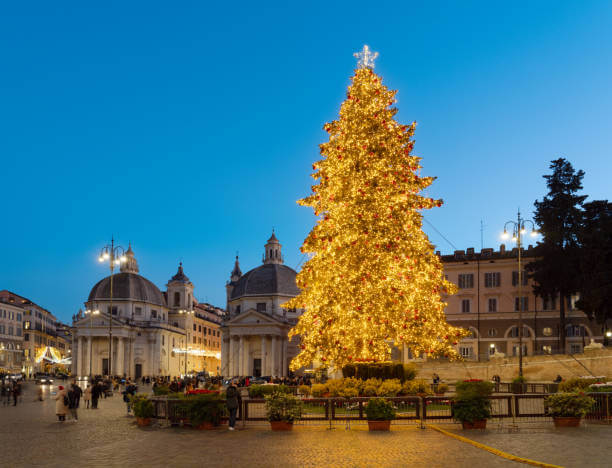
Every December, large, iconic Christmas trees are erected in Italy’s most famous squares, becoming seasonal landmarks and popular photo spots. The most notable locations include:
- Rome — St. Peter’s Square at the Vatican
- Milan — Piazza del Duomo
- Florence — Piazza del Duomo
These trees are often accompanied by lights, decorations, and Christmas markets, blending international holiday aesthetics with Italian charm.
La Befana & Epiphany in Italy (January 6)
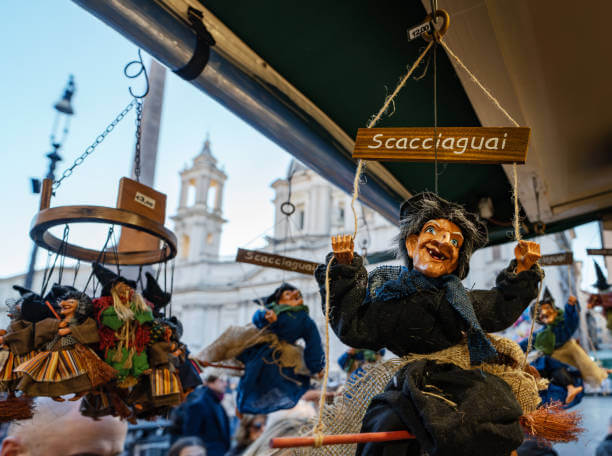
La Befana is one of the most beloved figures in Italian Christmas folklore. Often depicted as a friendly old witch flying on a broom, she visits children on the night of Epiphany (January 6), leaving sweets and small gifts for well-behaved children or coal for those who were naughty. Unlike Santa Claus, La Befana represents kindness, wisdom, and the spirit of giving rooted in Italian tradition.
Epiphany is more than a children’s celebration; it marks the official end of the Christmas season in Italy. The saying “L’Epifania tutte le feste porta via reflects how this day closes weeks of festivities that begin in early December. Cities and villages come alive with parades, costumed performers, and family gatherings, making it one of the most joyful winter events in Italy.
Christmas Markets in Italy: Where to Go
Christmas markets in Italy may not be as large as those in Germany or Austria, but what they lack in size they make up for in atmosphere, craftsmanship, and local flavor. Italian markets focus on handmade gifts, festive foods, traditional sweets, and regional specialties, offering a warm and intimate holiday experience.
Rome Christmas Markets
The most famous Christmas market in Rome takes place at Piazza Navona, transforming the historic square into a festive wonderland throughout December and early January. The market is especially known for its La Befana themed stalls, selling toys, sweets, decorations, and traditional gifts.
Piazza Navona’s Christmas market is particularly popular with families and children, combining carousel rides, street performers, and festive lights with the grandeur of baroque fountains and historic architecture. It’s an ideal stop for travelers looking to experience authentic Christmas traditions in Italy rather than commercial holiday fairs.
Florence Christmas Market
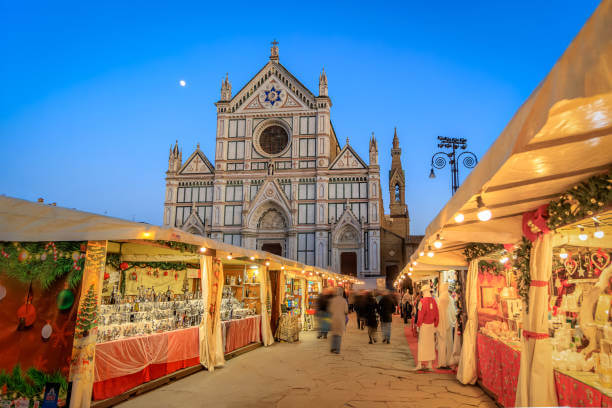
The Florence Christmas Market, locally known as Weihnachtsmarkt, offers a unique blend of Italian elegance and classic German holiday traditions. Set in the Santa Croce area, this market brings a festive Alpine atmosphere to the heart of Tuscany.
Visitors can enjoy mulled wine (vin brulé), grilled sausages, pretzels, roasted nuts, and traditional Christmas sweets, while browsing stalls selling handcrafted gifts, ornaments, candles, and woolen goods. Wooden chalets, warm lights, and holiday music make it one of the most charming Christmas markets in Italy, especially for first-time winter visitors.
Milan Christmas Lights & Markets
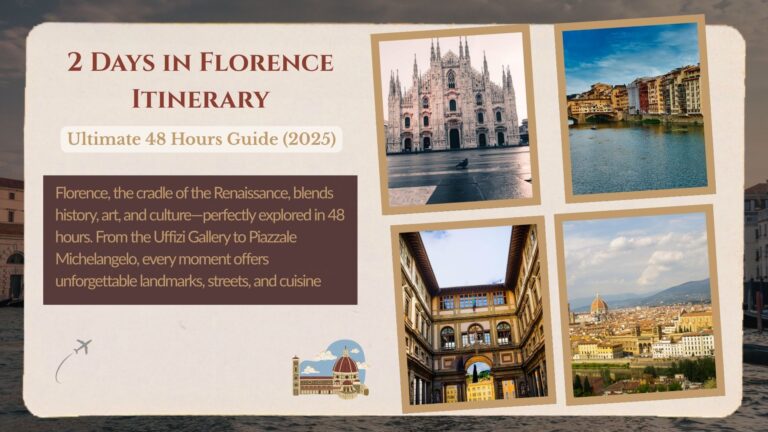
During December, Milan transforms into one of Italy’s most glamorous Christmas destinations. The city’s holiday celebrations are centered around the Duomo area, where elegant Christmas lights illuminate historic streets and modern shopping districts. While visiting the Christmas market, you can also explore some of the most famous florence-landmarks guide including the Duomo and Piazza della Signoria
Milan’s Christmas markets and decorations perfectly combine luxury and tradition. High-end boutiques, fashion houses, and historic cafés are dressed in festive displays, while nearby markets offer artisanal gifts, seasonal treats, and warm drinks. The atmosphere feels refined yet welcoming, making Milan ideal for travelers who enjoy festive elegance alongside classic Italian culture.
Naples Christmas Experience
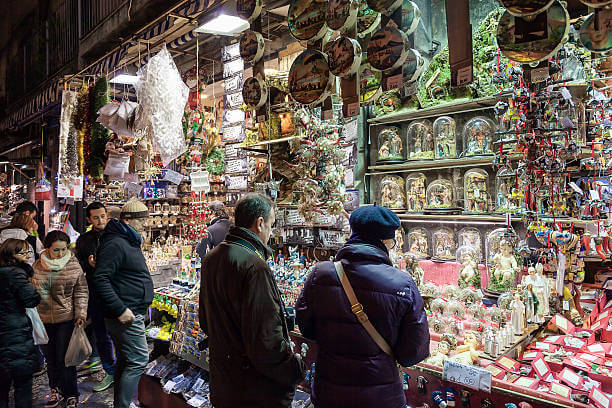
Naples offers one of the most authentic and culturally rich Christmas experiences in Italy. The heart of this tradition lies along San Gregorio Armeno, a historic street famous worldwide for its artisan nativity shops.
Here, skilled craftsmen create handcrafted Presepe figurines year-round, but the street comes alive during the Christmas season. Visitors can watch artisans at work, browse detailed nativity scenes, and purchase unique figures that often blend biblical characters with modern-day personalities. The atmosphere is lively, artistic, and deeply rooted in Neapolitan culture, making Naples a must-visit destination for Christmas in Italy.
Venice Quiet Canals & Romantic Winter Magic
Spend two unforgettable days in Venice, one of the most magical cities in Italy during winter.
What to do:
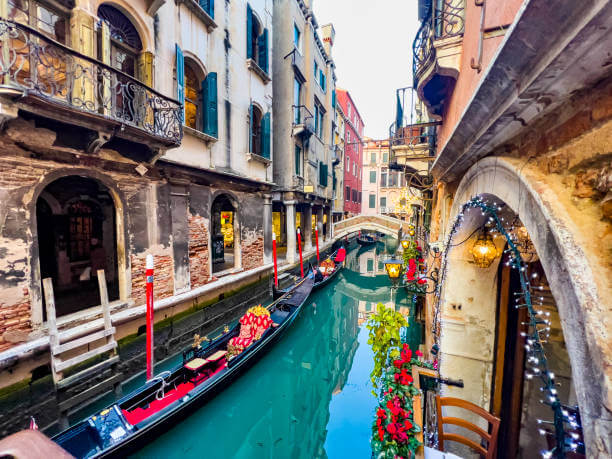
- Wander along quiet canals and empty alleyways, enjoying Venice without crowds
- Experience the city’s romantic winter atmosphere, especially at sunset
- Attend Christmas concerts in historic churches or palazzos
- Venice at Christmas feels intimate, cinematic, and peaceful perfect for couples and photographers.
What to Eat at Christmas in Italy
Christmas in Italy is as much about food as it is about tradition, family, and celebration. Each region has its own specialties, but some dishes appear on Italian tables across the country during the holiday season.
Panettone vs. Pandoro Italy’s Famous Christmas Dessert Debate
The friendly rivalry between Panettone and Pandoro defines Italian Christmas desserts, and every Italian household has a favorite.
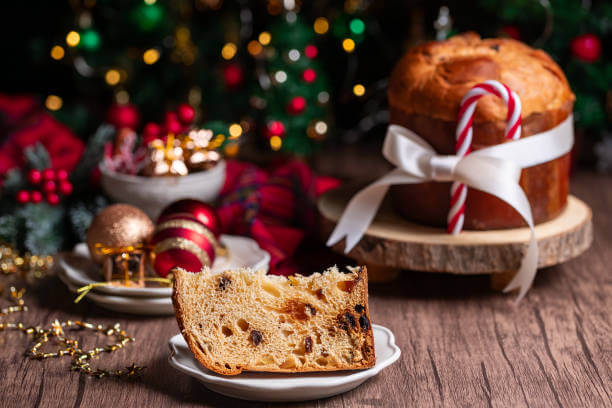
Panettone originates from Milan and is known for its tall, domed shape and fluffy texture filled with candied fruit and raisins. It’s light, aromatic, and often served with coffee, sweet wine, or mascarpone cream.
Pandoro, from Verona, is the simpler, richer cousin. It has a soft, buttery crumb with no fruit, dusted generously with powdered sugar to resemble snowy peaks. Its plain flavor makes it especially popular with children and those who prefer a less fruity dessert.
During Christmas in Italy, both Panettone and Pandoro are everywhere in bakeries, supermarkets, family homes, offices, and cafés. Trying both is practically a holiday tradition in itself.
Traditional Christmas Foods in Italy
Beyond dessert, Italian Christmas meals are generous, slow, and deeply rooted in tradition.Some of the most common traditional Christmas foods in Italy include:
- Lasagna — baked with rich sauces and enjoyed as a centerpiece dish
- Tortellini in brodo — delicate stuffed pasta served in warm, comforting broth
- Roast meats — often enjoyed on Christmas Day, varying by region
- Seafood dishes — traditionally eaten on Christmas Eve (La Vigilia), when meat is avoided
Meals are typically multi-course and can last for hours, reflecting the Italian emphasis on family, conversation, and togetherness.
Is December a Good Time to Visit Italy?
Yes December is a great time to visit Italy, especially if you prefer fewer crowds, lower prices, and a more authentic cultural experience. While winter travel comes with a few trade-offs, the pros often outweigh the cons for many travelers.
Pros of Visiting Italy in December
One of the biggest advantages of traveling to Italy in December is the significantly smaller crowds. Major cities like Rome, Florence, and Venice are far less busy than in summer, making sightseeing more relaxed and enjoyable. December also brings lower travel costs, with better deals on flights and hotels compared to peak seasons. Beyond savings, you’ll experience authentic Italian Christmas traditions, from nativity scenes and local markets to seasonal food and family-centered celebrations.
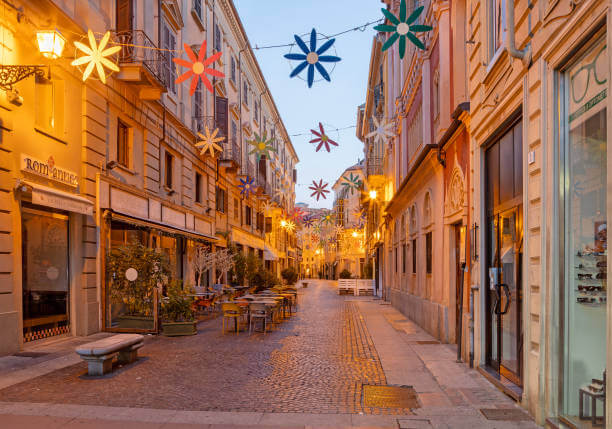
The overall atmosphere feels cozy and intimate historic streets glow with festive lights, cafés feel warmer, and cities take on a slower, more romantic rhythm that’s perfect for winter travel.
Cons of Visiting Italy in December
The main downside of visiting Italy in December is shorter daylight hours, which can slightly limit sightseeing time, especially for outdoor attractions and photography.
Additionally, some attractions, shops, and restaurants may close on major holidays such as Christmas Day (December 25) and New Year’s Day. Planning ahead and checking holiday schedules is essential to avoid surprises.
Italy New Year Celebration Highlights
Fireworks at Midnight
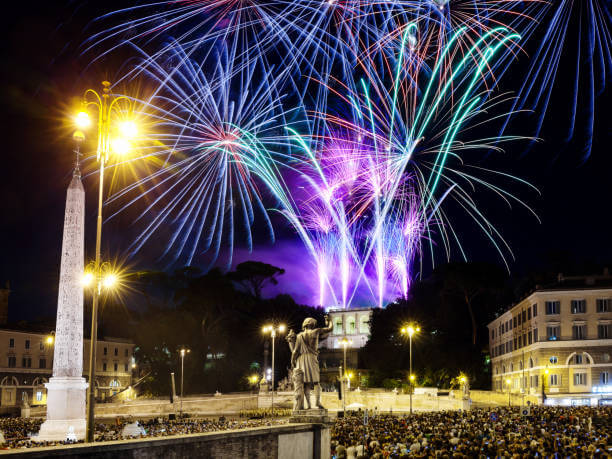
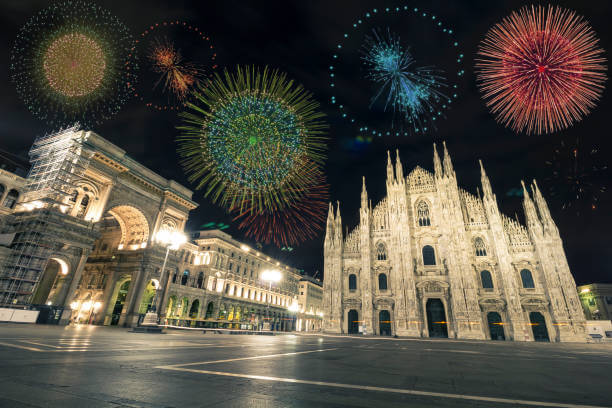
Fireworks are the centerpiece of Italian New Year celebrations. At midnight, the sky explodes with color across major cities, historic bridges, and coastlines. Naples is especially famous for its non-stop fireworks, while Rome and Florence host official, large-scale displays.
Outdoor Concerts & Live Music
Many cities organize free open-air concerts in main squares featuring Italian and international artists. These events usually start in the evening and continue past midnight, creating a festival-like atmosphere.
Long, Late Dinners
Italians traditionally celebrate with a long New Year’s Eve dinner called Cenone, starting late in the evening. Dishes often include lentils (symbolizing wealth), pork, seafood, pasta, desserts, and plenty of wine.
Champagne at Midnight
As the countdown begins, glasses are raised with Prosecco or Champagne, followed by hugs, cheers, and fireworks. The celebrations often continue well into the early morning hours.
Best Places to Celebrate New Year’s Eve in Italy
Rome Iconic
Rome hosts massive celebrations in areas like Circus Maximus, with concerts, DJs, and fireworks. Expect huge crowds, electric energy, and unforgettable midnight views among ancient landmarks.
Best for: First-time visitors, iconic atmosphere, large-scale events
Note: Book accommodation and transport early
Naples Wild & Unforgettable
Naples is famous (or infamous) for its intense New Year’s Eve fireworks. The entire city seems to erupt at midnight, with celebrations spilling into streets, balconies, and waterfront areas.
Best for: Adventurous travelers, raw local experience
Note: Stay alert and follow safety advice
Florence Cultural & Romantic
Florence offers a more elegant and cultural celebration. Expect classical music concerts, smaller fireworks, and beautifully lit historic squares—perfect for couples and art lovers.
Best for: Romantic trips, relaxed celebrations, culture lovers
Milan Chic & Stylish
Milan celebrates New Year’s Eve with exclusive parties, rooftop events, and upscale dinners. Many locals attend ticketed events in clubs, hotels, and luxury venues.
Best for: Nightlife lovers, luxury travelers, fashion crowd
Is Christmas in Italy Worth It?
Christmas in Italy is more than just a holiday it’s a season filled with tradition, warmth, and unforgettable experiences. From glowing Christmas markets and historic churches to festive food, nativity scenes, and magical New Year celebrations, Italy offers a slower, more authentic way to celebrate the festive season.
Whether you’re strolling through Rome’s illuminated piazzas, sipping hot chocolate in Florence, watching Santa glide down Venice’s canals, or welcoming the New Year with fireworks in Naples, Christmas in Italy delivers something truly special. Add fewer crowds, mild winter weather, and deep-rooted traditions, and it becomes one of the most rewarding times to visit the country.
With the right planning, flexible itineraries, and an understanding of local customs, your Christmas in Italy trip can be both smooth and magical. Embrace the cozy pace, enjoy seasonal flavors, and let Italy’s festive charm create memories that last a lifetime.
How do Italians celebrate Christmas in Italy?
Christmas in Italy is celebrated with family gatherings, religious traditions, festive meals, and nativity scenes called Presepi.
Is Italy a good place to visit at Christmas?
Yes. Italy offers festive lights, Christmas markets, historic traditions, and fewer crowds compared to summer.
What is the biggest Christmas tradition in Italy?
The most important tradition is La Vigilia, the Christmas Eve seafood dinner shared with family.
Do Italians celebrate Christmas on January 6?
Yes. January 6 is Epiphany, when the folklore character La Befana brings gifts to children.