
Travel Tips for Italy in October: 35 Things to Know Before You Go

Most travel tips for Italy in October focus on what to pack. But the tips that actually change your experience are the ones nobody tells you before you go, the unspoken rules, the money-saving habits locals use daily, the things that mark you immediately as a tourist, and the practical advice that turns a good trip into an excellent one.
This guide is the practical tips chapter of our complete is October a good time to visit Italy. For weather data and what to expect climatically, see our Italy weather in October guide. Looking for the best travel tips for Italy in October? October is one of the most beautiful times to visit Italy thanks to cooler weather, fewer crowds, and stunning autumn scenery. In this guide, you’ll discover essential travel tips for Italy in October, including what to pack, where to go, weather expectations, and mistakes to avoid.
According to ENIT Italy’s National Tourist Agency, October visitors consistently report higher satisfaction scores than summer travellers across comfort, value, and cultural authenticity largely because those who prepare well take full advantage of the shoulder season.
Table of Contents
Is October a Good Month to Go to Italy?
Before the tips, the most common question deserves a direct answer. Yes October is one of the best months to visit Italy. Here is why:
Temperatures across Italy in October range from 9–25°C (48–77°F) depending on where you are. Rome averages 22°C at midday. Sicily stays warm at 24–25°C. Milan and Venice cool to 9–18°C. For almost every travel style sightseeing, food, culture, or countryside October temperatures are more comfortable than summer. For full weather data by city, our best places to visit in Italy in October guide compares all destinations.
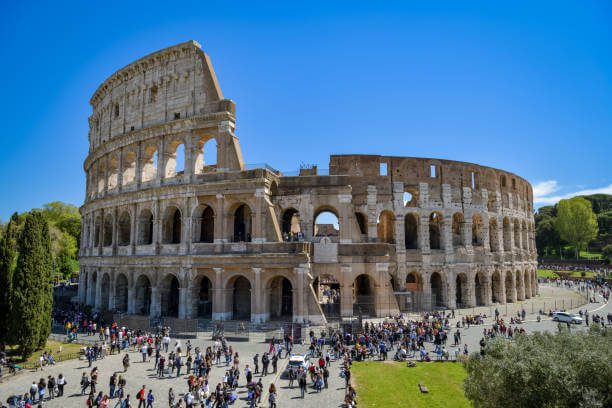
The summer crowds that make the Colosseum feel like a stadium concert have thinned considerably. Queues are shorter at the Vatican, the Uffizi, and most major attractions. Hotel and flight prices fall from their July and August peaks by 20–40% depending on destination and timing.
October is also harvest season truffles, new wine, chestnuts, porcini mushrooms, and fresh olive oil fill every market and menu. For the full festival calendar, our festivals in Italy in October guide covers every major event with 2026 dates.
The trade-offs are minor: more rainfall than summer (usually short afternoon showers), shorter daylight hours, and some coastal services winding down after mid-October.
Which part of Italy is best in October?
Rome and Florence for art and sightseeing. Tuscany and Piedmont for food and wine. Sicily and Puglia for warmth. Venice for atmosphere and opera season. Every destination is covered in detail in our destination guide.
Book These Things in Advance
October in Italy is not as quiet as many travellers expect. These specific things require advance booking.
| Attraction / Service | City | Book How Far Ahead | Book Via |
|---|---|---|---|
| Colosseum + Roman Forum | Rome | 2–4 weeks | ticketing.colosseo.it [official] |
| Vatican Museums + Sistine Chapel | Rome | 2–4 weeks | museivaticani.va [official] |
| Uffizi Gallery | Florence | 1–2 weeks | uffizi.it [official] |
| Leonardo’s Last Supper | Milan | 6–8 weeks | Official Milan museum site |
| Popular restaurants | Rome, Florence | 1 week minimum | Restaurant website directly |
| High-speed trains | All routes | 1–2 weeks | trenitalia.com [official] |
| Festival accommodation (Alba, Lucca) | Piedmont, Tuscany | 2–3 months | Hotel directly or booking site |
Book major attractions through official websites only, not through third-party resellers who charge significant markups. The Colosseum official booking site and Vatican Museums official site are the most reliable sources.
The last week of October is particularly busy across Italy due to the Italian national holiday on November 1st (All Saints’ Day). Italians travel domestically in large numbers during this period book everything earlier if your trip covers October 26–31.
Italy October Budget Tips
Is $1,000 Enough for a Week in Italy?
For a very budget-conscious traveller hostel accommodation, eating at local markets and standing at bars, skipping most paid attractions, yes, $1,000 covers a week in Italy in October, but barely. A more realistic budget for a comfortable week is $1,500–2,000 per person, including accommodation, food, transport, and entry fees. October’s shoulder-season pricing makes this significantly more achievable than the same trip in July or August.
Here is a realistic daily breakdown:
- Budget traveller (hostel + market food): €80–120 per day
- Mid-range traveller (3-star hotel + restaurants): €180–280 per day
- Comfortable traveller (4-star + dinner out): €350–500 per day
How Far Does $100 Go in Italy?
- $100 (approximately €90 at current exchange) in Italy in October covers:
- 2–3 nights in a mid-range hostel dorm in Rome or Florence
- OR 1 night in a budget hotel outside the city centre
- OR 3–4 full restaurant meals (pasta + wine + water + coperto)
- OR all entry fees for the Colosseum + Roman Forum + Palatine Hill combined
- OR 4–6 high-speed train trips between nearby cities
- October’s lower accommodation prices mean $100 stretches further than in summer.
Money-Saving Tips for Italy in October
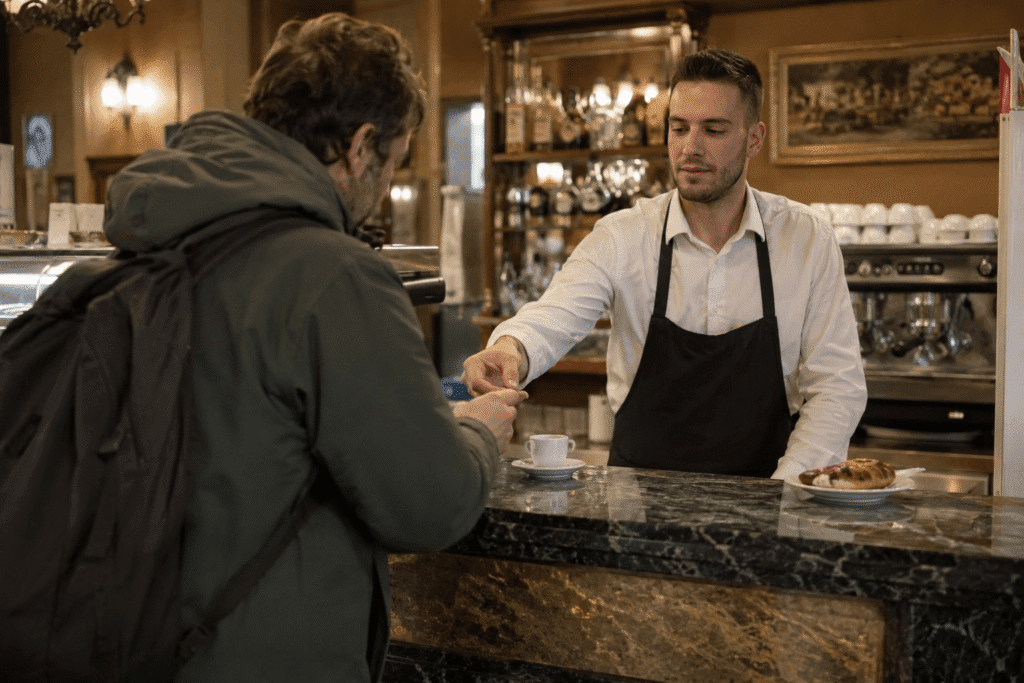
1. Stand at the bar. Coffee consumed standing at the bar counter in Italy costs half the price of sitting at a table. An espresso costs €1–1.50 at the counter; the same espresso at a tourist café table costs €3–5 near major attractions.
2. Walk one street away from any major attraction. Restaurants within 100 metres of the Colosseum, Trevi Fountain, or Piazza San Marco charge tourist prices. Walk two streets away and prices drop by 40–60%.
3. Buy a water bottle and refill it. Rome’s public masonic fountains provide free fresh drinking water across the city. Florence and Venice also have public drinking water points. Never buy single-use water bottles at tourist cafes.
4. Use the official booking sites. Third-party tour operators add 20–50% to attraction prices. Always book directly through official museum and attraction websites.
5. Take regional trains for short distances. High-speed Frecciarossa trains are fastest but most expensive. For distances under 100km, regional trains are significantly cheaper and adequate.
6. Visit free museums on free days. Many Italian state museums offer free entry on the first Sunday of each month. Check the official museum websites before your visit to confirm which apply.
7. Buy supermarket picnic lunches. Italian supermarkets Esselunga, Conad, Coop sell excellent bread, cheese, cured meats, fruit, and wine at a fraction of restaurant prices. A quality picnic lunch in a piazza costs €5–8 per person.
8. October reduces accommodation costs by 20–40%. Use this saving to upgrade your hotel slightly rather than keeping the same quality at summer prices you get significantly better value mid-October.
Italy October Transportation Tips
Best Way to Travel Between Italian Cities in October
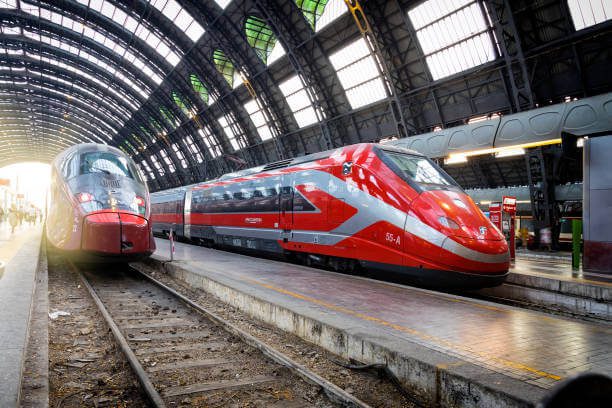
Italy’s high-speed train network is the most efficient way to travel between major cities. Trenitalia (Frecciarossa) and Italo both operate high-speed services connecting Rome, Florence, Venice, Milan, Naples, and Bologna. Journey times:
- Rome to Florence: 1.5 hours
- Florence to Venice: 2 hours
- Rome to Naples: 1 hour 10 minutes
- Milan to Venice: 2.5 hours
Book train tickets through the Trenitalia official website for the best prices. Tickets become available approximately 120 days before travel. Early booking provides the cheapest fares and prices increase as the date approaches.
October is one of the safest months for train travel in Italy. Summer heat-related delays are gone. The main risk is occasional sciopero (strikes) . Always check the Trenitalia website for announced strikes before your travel dates.
Getting Around Within Cities
Rome, Florence, Milan, and Naples all have metro systems. Single journey tickets cost approximately €1.50 in most cities. Buy multi-journey cards for better value.
Water buses (vaporetti) in Venice cost €9.50 for a single journey. A 24-hour travel pass (€25) provides unlimited access and is significantly better value for a full day of Venice exploration.
Taxis: Use only official licensed taxis with a meter. Taxi rates in Italian cities are regulated and metered. Unlicensed drivers operating near airports and train stations are a known source of tourist overcharging.
Airport Connections
Rome (Fiumicino Airport): The Leonardo Express train connects to Roma Termini in 32 minutes and costs €14. This is the fastest and most reliable airport connection.
Milan (Malpensa Airport): The Malpensa Express train connects to Milano Centrale in 52 minutes. Cost approximately €13.
Florence (Amerigo Vespucci Airport): A new tram line connects the airport to Florence city centre to check current operational status for October 2026.
Venice (Marco Polo Airport): Water taxis and the Alilaguna water bus connect the airport to Venice’s main islands. The water taxi is scenic but expensive (€110+ per journey). The Alilaguna is slower but far more affordable (€15 per person).
Getting to Cinque Terre in October
Cinque Terre is accessible by train from La Spezia on the Ligurian coast. All five villages are connected by local trains running every 15–30 minutes. Driving and parking are heavily restricted. Our how to get to Cinque Terre covers all options from major cities.
Important October note: Trail closures can occur in late October after heavy rainfall. Always check trail status before visiting in the second half of October.
Italy October Packing Tips
For a complete clothing guide by region, see our what to wear in Italy in October guide These are the specific packing tips that matter most.
What Do Tourists Wear in Italy in October?
Most tourists in Italy in October wear either too little (summer clothing) or too much (heavy winter coats). Both are mistakes.
Italians dress for the season, not the weather. By October 1st, locals are in autumn mode jeans, ankle boots, light coats, and scarves. Shorts and sandals are out of season.
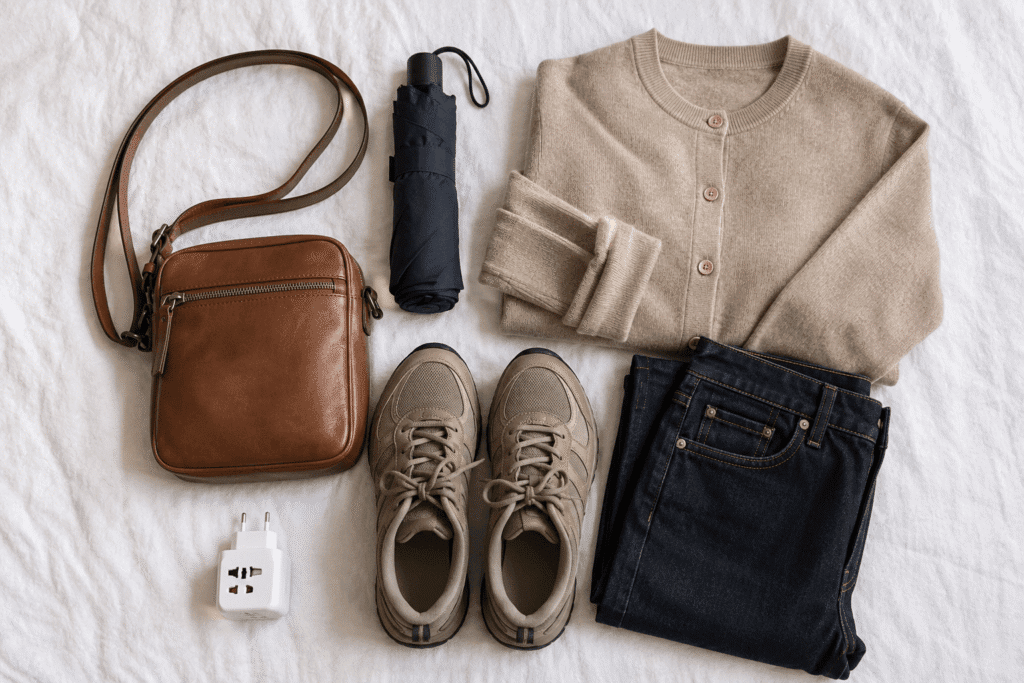
The practical formula for October in Italy:
- Long-sleeve base layer
- Cardigan or sweater as mid-layer
- Mid-weight jacket or trench coat for evenings and rain
- Jeans or chinos (not shorts in central or northern Italy)
- Closed-toe walking shoes (ankle boots or clean sneakers)
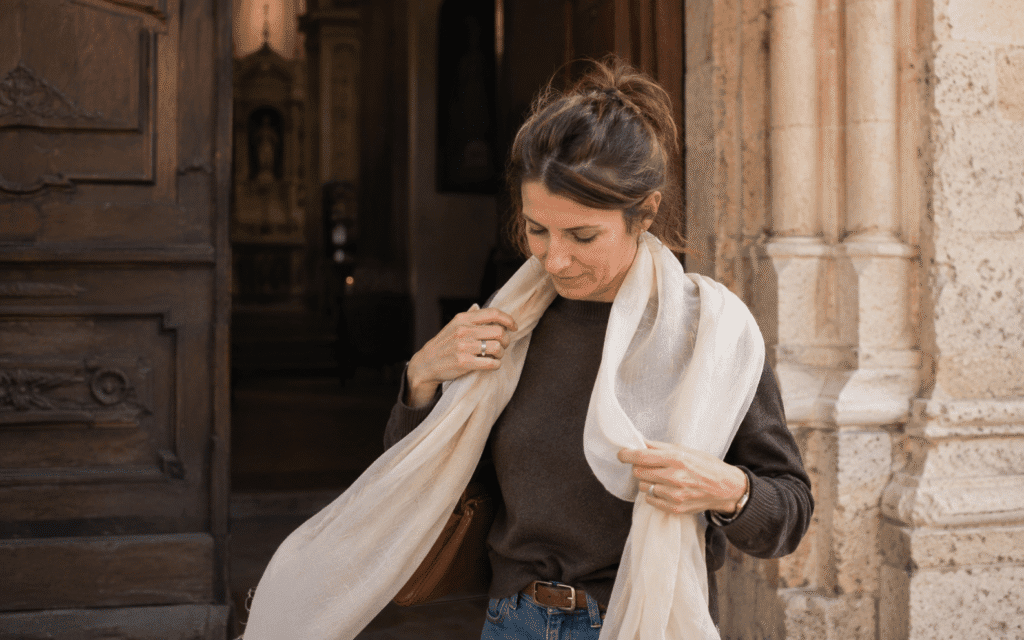
- Light scarf the single most versatile item you can bring
The 5-4-3-2-1 Packing Rule for Italy in October
The 5-4-3-2-1 rule is a minimalist packing method that works well for Italy:
- 5 sets of underwear and socks
- 4 tops (mix of long-sleeve and one smart option)
- 3 bottoms (dark jeans, chinos, one smart pair)
- 2 pairs of shoes (walking sneakers + ankle boots)
- 1 jacket or coat (trench for central Italy; wool coat for north)
This fits in a carry-on for a 5–7 day trip and covers every situation in Italy in October.
The 3-3-3 Packing Rule
A simplified version: 3 tops, 3 bottoms, 3 pairs of shoes. For Italy in October, adapt this to: 3 long-sleeve tops, 2 bottoms + 1 smart outfit for dinner, and 2 pairs of shoes (sneakers + boots). This is the absolute minimum needed to travel comfortably.
Packing Tips Specific to Italy in October
Pack two pairs of shoes and one pair that can dry overnight. If rain soaks one pair in Florence or Venice, you need a backup. Bring a packable rain jacket, not just an umbrella. Florence is the rainiest major city in central Italy in October. A waterproof outer layer keeps you dry without taking up significant bag space.
Carry a small crossbody bag worn across the front for daily sightseeing. This is the most effective anti-pickpocket measure. Backpacks worn on your back are easy targets in crowded tourist areas.
Pack a copy of all prescriptions. Italian pharmacies are excellent but brand names differ. Any medication you rely on should be brought from home in sufficient quantity for your trip. Bring a universal EU power adaptor (Type C or F). Italian plugs are different from US and UK plugs.
What Can I Not Bring into Italy?
From outside the EU, you cannot bring:
- Meat or meat products (including cured meats, jerky, sausages)
- Dairy products above personal use limits from non-EU countries
- Fresh fruit and vegetables from non-EU countries
- Cash above €10,000 without declaring it at customs
These restrictions are enforced by Italian customs at all entry points and are governed by EU customs regulations . Prescription medications are permitted for personal use carrying a signed copy of your prescription and your doctor’s contact details for any controlled substances.
What Can I Not Bring Back to the US from Italy?
United States Customs restricts many Italian food products from entering the country:
Not permitted to bring from Italy to the US:
- Fresh or cured meat products (prosciutto, salami, bresaola are generally prohibited under USDA rules)
- Most fresh fruits and vegetables
- Live plants or soil
Usually permitted:
- Hard, aged cheeses like Parmigiano Reggiano (sealed and commercially packaged)
- Commercially sealed packaged goods (pasta, biscuits, olive oil)
- Dried herbs and spices
Always check the USDA APHIS website for the most current regulations before packing food items to bring home. Rules change regularly and vary by specific product type.
Money Tips for Italy in October
Cash or Card in Italy?
Bring both. Cards are accepted in hotels, larger restaurants, supermarkets, and most shops in major cities. However, local markets, family trattorias, small cafes, tabacchi shops, and many churches still operate on cash only.
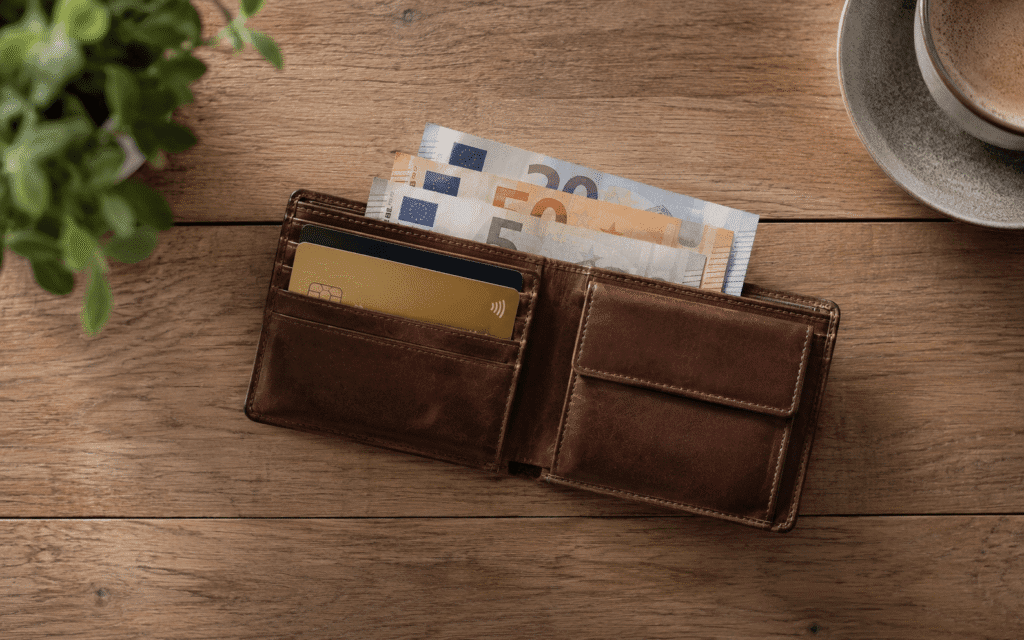
Recommended approach:
Carry a no-foreign-transaction-fee card for large purchases (hotels, restaurants, transport) Keep €50–100 in cash for daily small spending (markets, coffee, small vendors, tips)
ATMs (Bancomat) are widely available throughout Italy withdraw cash locally rather than exchanging currency before departure, as rates are generally better Avoid airport and tourist-area currency exchange offices. They apply unfavourable exchange rates and high fees. Use ATMs instead.
Understanding Restaurant Pricing in Italy
Italy’s restaurant pricing has specific components that confuse many visitors:
Coperto A cover charge of €1–4 per person added to every restaurant bill. This is a standard, legal practice not a scam. It covers the bread, tablecloth, and service of having a table. It appears as a line item on your bill.
Servizio Some restaurants add a service charge (10–15%) on top of the coperto. Check the menu for any note about servizio incluso (service included) or servizio non incluso.
Pane e Coperto The bread charge. In some restaurants this is included in the coperto; in others it is listed separately.
Tipping in Italy is not obligatory. Rounding up to the nearest Euro or leaving €1–2 for good service is appreciated. Leaving a large tip as Americans do at home is not expected and can sometimes cause confusion.
SIM Card and Data in Italy
Your US or UK phone plan may not work in Italy without significant international roaming charges. Options: Purchase an Italian SIM card on arrival (available at Vodafone, TIM, and WindTree shops in all major cities and airports) significantly cheaper for long visits Use an eSIM through a service like Airalo set up before departure, activates on arrival, no physical SIM required
Enable Google Fi or T-Mobile international plans if you have them Free WiFi is available in most Italian hotels, restaurants, and cafes. However, relying on WiFi alone for navigation in a foreign city creates significant inconvenience.
Italy October Food Tips
October is arguably the best month to eat in Italy. The harvest season produces ingredients that simply do not exist on Italian menus in summer. Knowing the food rules makes the experience significantly better.
What Are the Four Food Rules in Italy?
These four rules govern Italian food culture and applying them means you eat better, spend less, and avoid the most common tourist mistakes:
Rule 1 Milk-based coffee is for mornings only. Ordering a cappuccino or latte after a meal will not get you thrown out but every Italian within earshot will notice. Espresso after meals is the norm.
Rule 2 Ask for what is not on the menu. The best dishes in many Italian restaurants are the daily specials that the waiter describes verbally or writes on a small board. Always ask “cosa consiglia?” (what do you recommend?).
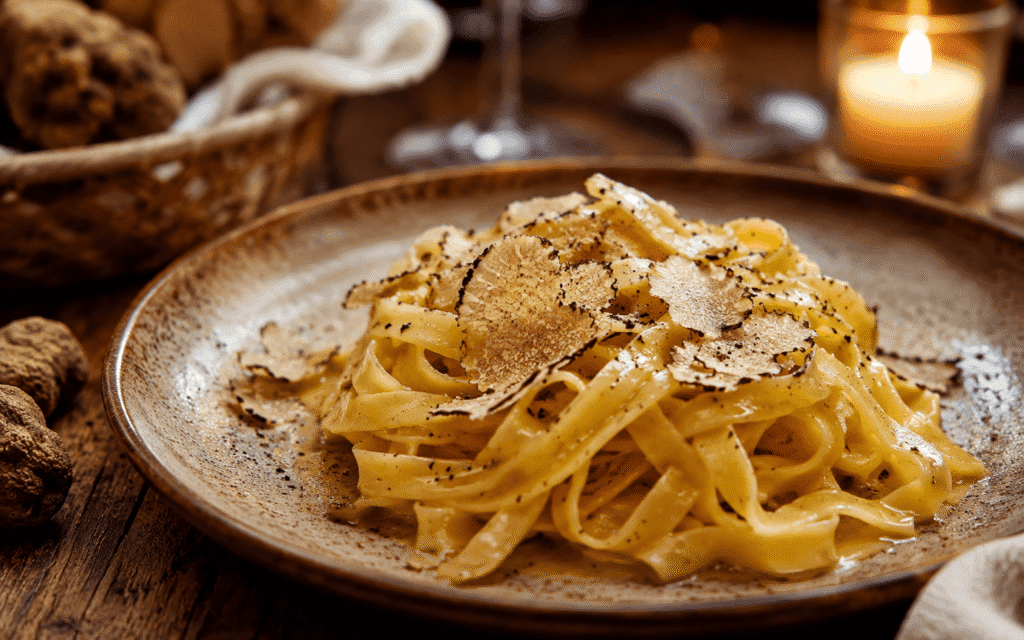
Rule 3 Order the menu di stagione. In October, this means truffle pasta, porcini mushroom risotto, chestnut gnocchi, and game dishes. These are seasonal ingredients unavailable in summer. They are the reason October is the best month to eat in Italy.
Rule 4 The bill does not arrive until you ask. In Italy, the waiter will not bring your bill unless you request it. This is intentionally a sign of respect for your time at the table. Ask “il conto, per favore” when you are ready to leave.
What Time Do Italians Eat Dinner?
Italians eat dinner significantly later than most American or northern European visitors expect. Restaurants in Italy typically open for dinner at 7:30pm and do not fill up until 8:30–9pm. The dining experience is slow-paced and can extend to 11pm or later.
Arriving at a restaurant at 6pm will often find it not yet open. Arriving at 7pm will find you eating alone in an otherwise empty restaurant. Arriving at 8:30pm feels local.
This matters for planning: sightseeing ends earlier in October due to shorter daylight, giving you time to return to your hotel, refresh, and dine at a local hour.
Seasonal October Foods to Order
- These ingredients and dishes are available only in autumn. Order them every chance you get:
- White truffles (tartufo bianco) only available October to December, primarily in Piedmont and Tuscany
- Black truffles (tartufo nero) available in Umbria and Le Marche from October
- Porcini mushrooms (funghi porcini) on pasta, risotto, and grilled as a side dish
- Chestnuts (castagne) roasted on street corners, in soups, pasta, and desserts
- New wine (vino novello) the season’s first wine, appearing in restaurants from late October
- Fresh-pressed olive oil (olio nuovo) bright green, intensely flavoured, poured over toasted Tuscan bread
- Artichokes (carciofi) especially in Rome, where they appear Roman-style (alla Romana) and Jewish-style (alla Giudia)
- Pumpkin (zucca) in tortellini, risotto, and soups across northern Italy
For Rome’s specific seasonal dishes, our food in Rome Italy guide covers exactly what to order in October. For Florence’s seasonal restaurants, our best restaurants in Florence include autumn menu recommendations.
Italian Etiquette: Unspoken Rules Tourists Often Break
What to Be Cautious of in Italy
Italy is a safe and welcoming country for visitors. But several specific situations require awareness:
Pickpockets are the most common issue in crowded tourist areas particularly around the Colosseum, Trevi Fountain, Vatican, and on public transport in Rome. Use a zipped crossbody bag worn across the front. Keep your phone in a front pocket or inside your bag.
Tourist menus (menu turistico) near major attractions are almost always overpriced for poor-quality food. Walk at least one or two streets away from any major landmark before choosing a restaurant .Solo female travelers visiting Florence should also read our dedicated guide on is Florence safe for solo female travelers covers neighborhoods, transport, and practical safety tips.
Unofficial taxi drivers airports and train stations will approach you. Always use the official licensed taxi rank (look for the official white taxis with a meter) or use the Trenitalia or airport official transport options.
The coperto charge is legitimate and standard. Do not dispute it will appear on every restaurant bill in Italy.
Photography restrictions in churches and museums. Many churches prohibit flash photography or photography altogether. Always check signage before taking photos inside churches, the Sistine Chapel, and some museum galleries.
What Are the Unspoken Rules in Italy?
These are the behaviours that mark you as a respectful visitor rather than an obvious tourist:
Greet shopkeepers. Say “buongiorno” (good morning, used until around 1pm) or “buonasera” (good evening, used after 1pm) when entering any shop, café, or restaurant. Not greeting is considered rude.
Do not touch produce at markets. Asking the vendor to select your fruit and vegetables for you is the expected approach. Touching yourself is generally frowned upon.
Queue patiently. Italians queue for attractions and transport. Pushing or cutting in line is not socially acceptable.
Do not eat while walking in many southern Italian towns. Some municipalities in Naples, Rome, and other cities have introduced fines for eating while walking in historic areas. Sitting down to eat it is also more enjoyable.
Walk on the right side of escalators and pavements. Stand on the right, walk on the left, the same convention as most European countries.
Dress down for churches immediately. Do not wait until you see signs assuming all churches require covered shoulders and knees and carry a scarf at all times.
What Is the 7% Rule in Italy?
The 7% rule in Italy refers informally to the typical markup applied to tourist-oriented purchases versus local prices. Restaurants, taxis, and tourist services in high-traffic areas charge a premium sometimes 50–100% more than equivalent services two streets away.
The rule also appears in currency exchange; some tourist-area exchange offices charge commission rates above 7% on currency conversion. Always use bank ATMs (Bancomat) instead.
What Are the No-Go Zones in Italy?
Italy does not have formal no-go zones in the way some countries define them. However, certain areas in major cities are known for higher rates of petty crime and benefit from standard travel precautions:
Rome: The area immediately around Termini station can feel chaotic and keep belongings close on public transport here. The Esquilino neighbourhood near Termini has higher rates of petty theft than other central Rome neighbourhoods.
Naples: The Quartieri Spagnoli (Spanish Quarters) and some areas of the port are best visited with awareness of your surroundings. The city is generally safe for visitors who take standard precautions.
Milan: The area around Stazione Centrale requires standard bag and wallet awareness, particularly at night.
None of these areas are genuinely dangerous for aware, prepared travellers.
What I Wish I Knew Before Going to Italy
These are the things first-time visitors most consistently say they wish they had known:
The Sistine Chapel is inside the Vatican Museums. You cannot enter the Sistine Chapel without also visiting the Vatican Museums. Book both together.
Not all water is free at restaurants. Still (naturale) and sparkling (frizzante) water cost money at restaurants. Ask for “acqua del rubinetto” if you want free tap water. It is safe to drink everywhere in Italy.
Sundays close many shops. Major Italian cities see significant shop closures on Sunday mornings. Plan shopping around this most supermarkets and tourist shops remain open but local independent shops often close.
Italian drivers are assertive but not dangerous. Crossing streets in Italian cities requires confidence, waiting for a gap and walking steadily. Do not hesitate or stop mid-crossing.
The key card slot in hotel rooms cuts power to the room. Insert your hotel room key card into the wall slot when you enter to activate electricity. Remove it when you leave it will cut all power including phone chargers.
How to Not Stand Out as an American in Italy
This question comes up constantly. The honest answer is that most Americans are easily identifiable and that is perfectly fine. Italy is very accustomed to American visitors. However, these specific habits genuinely help:
- Switch from a large backpack to a small crossbody bag
- Wear closed shoes instead of trainers or running shoes in cities
- Avoid baseball caps in city centres
- Learn the Italian words: buongiorno, buonasera, grazie, prego, scusi, per favore, il conto, acqua, dov’è, quanto costa
- Dine at 8:30pm rather than 6pm
- Order espresso, not just “a coffee” specify what you want
- Do not speak loudly in museums, churches, or restaurants
What Not to Do in Italy in October
These are the most common mistakes visitors make in Italy in October and exactly what to avoid.
Do not eat at the first restaurant you see near a major landmark. The restaurants immediately adjacent to the Colosseum, Trevi Fountain, and Piazza San Marco in Venice are almost universally mediocre and overpriced. Walk two streets in any direction for dramatically better food at lower prices.
Do not skip advance booking. Even in October, the Colosseum, Vatican, and Last Supper sell out for popular time slots. Walking up without a ticket means joining the standby queue or missing the attraction entirely.
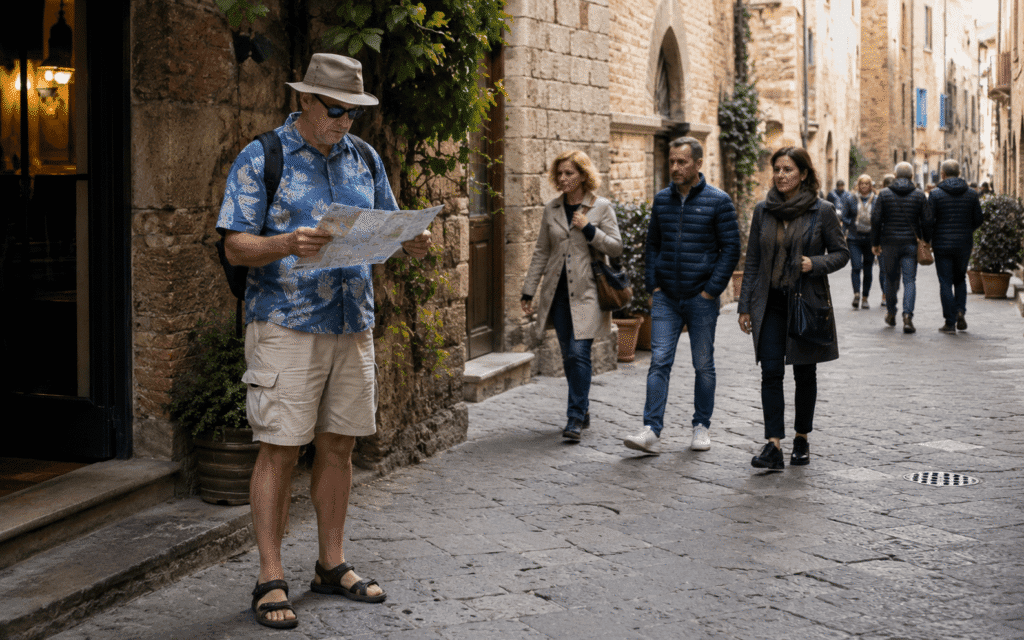
Do not wear flip flops or beach footwear in city centres. This is both impractical on cobblestones and culturally out of place. October is autumn in Italy and dress accordingly.
Do not try to enter churches in sleeveless tops or shorts. You will be turned away at the door at St. Peter’s, the Duomo in Florence, and Basilica di San Marco in Venice. Keep a scarf in your bag at all times.
Do not order “a coffee” without specifying. The default assumption in Italy is espresso. If you want an Americano, latte, or flat white, specify it clearly. Asking for “a coffee” will get you an espresso which may be exactly what you want once you get used to it.
Do not assume Italian opening hours match your expectations. Many Italian shops and restaurants close for lunch between 1pm and 3pm (riposo). Some museums are closed on Mondays. Churches sometimes close during religious ceremonies. Always check opening hours before travelling to a specific site.
Do not ignore the ZTL signs. Italian city centres have restricted traffic zones (Zona a Traffico Limitato ZTL). Driving into these areas without a permit results in automatic camera fines sent to your rental car company and then charged to your credit card. If you rent a car, plan your parking outside ZTL zones.
Do not exchange currency at tourist exchange offices near attractions. The rates are unfavourable. Use bank ATMs for all cash withdrawals in Italy.
Do not book train tickets through third-party sites charging booking fees. Use the official Trenitalia website or Italo directly.
City-Specific Travel Tips for Italy in October
Rome October Travel Tips
Rome is still busy in October, particularly in early October. The Colosseum, Vatican, and Pantheon require advance booking. October is when Romans themselves call their city most beautiful. The Ottobrate Romane (golden October days) produce extraordinary light across the ancient monuments.
Book tickets for the Colosseum and Vatican at least 2 weeks ahead. Use the official sites directly. Plan your 2 days with our 2-day Rome itinerary. For Rome after dark, our Rome at night guide. covers the best illuminated monuments and evening experiences.
Florence October Travel Tips
Florence receives more rain in October than any other major Italian city. Pack a waterproof jacket specifically for Florence, not just an umbrella. The Uffizi and Accademia benefit from advance booking even in October. The Chianti countryside is 30 minutes by car and at its most beautiful during the October harvest.
For your Florence days, our 2 days in Florence itinerary is the most efficient starting point. For seasonal dining, our best restaurants in Florence include October-specific menus.
Venice October Travel Tips
Venice in October marks the start of acqua alta (tidal flooding) season. Waterproof footwear is not optional, it is essential, especially in late October. Boots with a sole height of at least 2cm provide adequate protection for moderate flooding.
Check the Venezia Unica app or the City of Venice acqua alta tide forecast before going out each morning. The forecast is usually accurate 24–48 hours ahead.
For accommodation, our place to stay in Venice covers all neighbourhoods, including those less vulnerable to flooding. For authentic Venetian food, our best cicchetti in Venice is the guide to bacari bars, the best way to eat in Venice in any month.
Final Thoughts: Travel Tips for Italy in October
Italy in October rewards visitors who prepare well and punishes those who do not.
The single most impactful group of travel tips for Italy in October comes down to four things. Book attractions early through official sites. Pack layers with a scarf and waterproof jacket. Carry cash alongside a no-fee card. Eat and drink the way locals do, stand at the bar, dine at 8:30pm, order the seasonal menu.
Everything else, the unspoken rules, the budget hacks, the transport choices, builds on that foundation. Italy in October is genuinely one of the best travel experiences in Europe. The harvest season, the mild temperatures, the shorter queues, and the lower prices make it a more rewarding visit than peak summer for almost every type of traveller.
Go prepared. Eat everything on the autumn menu. And come back in spring when you realise one October was not enough.
For complete October trip planning beyond tips, destinations, weather, festivals, and packing our complete Italy in October guide covers everything from the first booking to the last day.
Is October a good month to go to Italy?
Yes, one of the best. Temperatures are mild at 10–25°C depending on region, summer crowds have thinned, prices drop from peak season, and October is Italy’s richest harvest festival month. The Colosseum, Vatican, and Uffizi all have shorter queues than in summer. The main trade-offs are more rainfall and shorter daylight hours both easily managed.
What to be cautious of in Italy?
Be cautious of: pickpockets in tourist-heavy areas (use a front-worn crossbody bag), tourist menus near major landmarks (walk two streets away for local prices), unlicensed taxis at airports, and the restaurant cover charge (standard and legitimate, not a scam). Always cover shoulders and knees for churches and check opening hours before travelling to any specific site.
Is $1,000 enough for a week in Italy?
For a very budget-conscious traveller in hostels eating at markets barely. A comfortable week in Italy in October costs $1,500–2,000 per person. October’s shoulder-season pricing makes this significantly more achievable than summer. Use free public water fountains, stand at bars for coffee, walk away from attraction areas to eat, and book trains early for the best fares.
What do tourists wear in Italy in October?
Light layers are essential long-sleeve tops, a sweater or cardigan, and a mid-weight jacket. Ankle boots or comfortable walking sneakers handle cobblestones. Carry a light scarf at all times for church visits. Avoid shorts, flip flops, and sleeveless tops in central and northern Italy. Italians switch to full autumn wardrobes on October 1st regardless of temperature.
What are the unspoken rules in Italy?
Never order a cappuccino after a meal. Stand at the bar for coffee it costs half the price. Always greet shopkeepers with buongiorno or buonasera on entering. Do not touch produce at markets. Ask for the bill when you are ready. Italian waiters will not bring it unsolicited. Dress modestly for churches with covered shoulders and knees.
What is the 7% rule in Italy?
The 7% rule informally describes the tourist markup applied to services near major attractions, restaurant prices, taxi fares, and currency exchange rates in tourist areas can be 50–100% higher than local prices two streets away. Always walk away from major landmarks to eat, use bank ATMs for cash, and take licensed taxis from official ranks.