Florence Solo Travel Guide: Everything You Need to Know Before You Go

Florence is the kind of city that gets better the slower you move through it. The Uffizi Gallery alone could occupy an entire day. The view from Piazzale Michelangelo at sunset is one of the most photographed moments in Europe. The ribollita at a corner trattoria in Oltrarno costs €8 and tastes extraordinary. The aperitivo hour at a San Niccolò bar from 6pm costs the price of one Aperol Spritz and comes with a generous spread of free food.
For solo travellers, Florence offers something specific that larger cities do not: scale. The entire historic centre is walkable in 20 minutes. You can spend a morning in the Accademia standing in front of Michelangelo’s David almost alone (in the right season), eat lunch at a standing panino bar, and spend the afternoon in a neighbourhood that feels like it belongs to residents rather than tourists. You can do all of this without a group, a plan, or a guide.
This Florence solo travel guide covers everything: whether Florence is safe for solo female travellers, the best neighbourhoods to stay, how many days you actually need, what to do alone, how to meet people, the best food, day trips, and the honest budget breakdown. It is the only resource you need before you book.
For planning your Florence days efficiently, our 2 days in Florence itinerary covers the most rewarding route for first-time visitors.
Table of Contents
Is Florence a Good Place to Travel Solo?
Yes, Florence is one of the best solo travel destinations in Europe. Here is why:
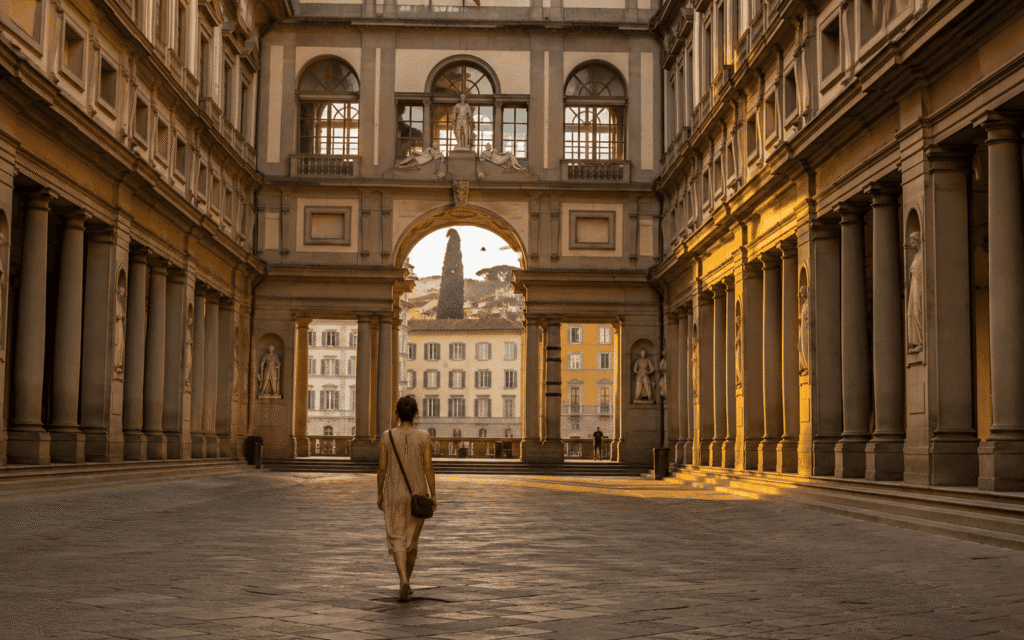
Florence is compact. The entire historic centre from the Duomo to the Uffizi to Ponte Vecchio to Santa Croce is walkable in under 20 minutes. This compactness means you are never dependent on public transport, never stranded far from your hotel, and always oriented. For solo travellers who may feel nervous in unfamiliar places, Florence’s walkability provides immediate confidence.
Florence is filled with solo travellers. The city’s world-class museums draw independent cultural travellers from every country. Cooking classes, free walking tours, and language schools all operate with primarily solo participants. You will not feel unusual travelling alone; it is the norm at most attractions and the majority of budget and mid-range accommodation.
Florence rewards slow exploration. Unlike Rome’s sprawl or Venice’s labyrinthine confusion, Florence reveals itself steadily to walkers who take their time. Hidden churches, local markets, neighbourhood wine bars, and piazzas that do not appear in guidebooks are accessible to anyone willing to wander.
Is English widely spoken in Florence?
Yes widely, in all tourist areas, museums, hotels, and most restaurants. Away from tourist zones, Italian has become more common. Learning buongiorno, grazie, prego, il conto per favore, and dov’è makes a significant positive difference in how locals respond to you.
Is 30 too old to solo travel?
Absolutely not. Solo travellers of every age visit Florence. The city has hostels for younger budget travellers and boutique hotels and cooking classes that attract solo travellers in their 30s, 40s, 50s, and beyond. Many experienced solo travellers say their 30s and later are the most rewarding years to travel alone with more confidence, more budget flexibility, and clearer personal preferences.
Which is nicer, Venice or Florence?
Both are extraordinary, but they offer different experiences. Florence is warmer, more walkable, better for food, and has the world’s greatest concentration of Renaissance art. Venice is more visually unusual, canal-based, and intimate. Florence is generally considered the stronger solo travel destination because of its walkability, neighbourhood culture, and the ease of meeting people.
When to avoid Italy in 2026?
Avoid July and August in Florence peak summer heat (32–38°C) and overwhelming crowds make sightseeing genuinely difficult. The Uffizi queues can be 2–3 hours in August. Mid-August also sees the Ferragosto shutdown when many local restaurants and shops close. April, May, September, and October are the optimal months.
Is Florence Safe for Solo Female Travellers?
Florence is considered very safe for solo female travellers. Italy’s crime statistics consistently place Florence among the safer large Italian cities, with violent crime rates significantly below European averages, according to data published by Italy’s National Institute of Statistics (ISTAT).
The main security concerns for tourists in Florence are:
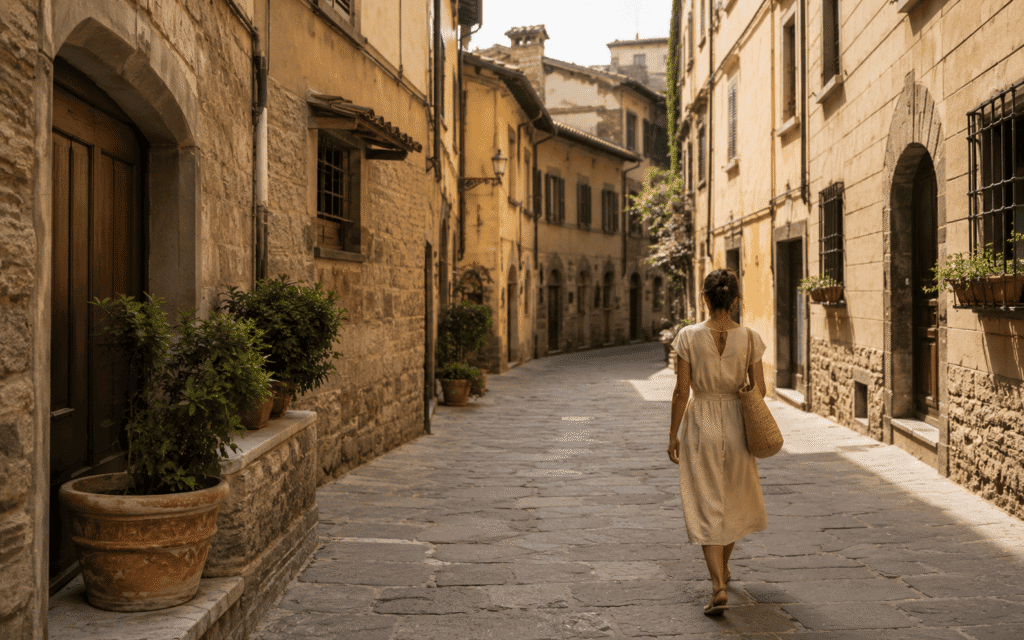
Petty theft and pickpocketing are the most common issues. High-risk areas are the Uffizi queue, Piazza del Duomo, the Mercato di San Lorenzo, and crowded public buses. Solution: wear a zipped crossbody bag across the front of your body, keep your phone in a front pocket or inside your bag, and do not carry large amounts of cash.
Unwanted attention, occasional street harassment, more common at night near bars in the Piazza della Repubblica area and along the Arno after midnight. Solution: stick to well-lit streets, trust your instincts immediately, and walk with purpose.
Tourist scams overpriced restaurants near major landmarks, unofficial taxi drivers at the train station, and street vendors selling overpriced items near the Duomo. Solution: walk one or two streets away from any major landmark to eat, use official taxis with meters only, and decline unsolicited approaches near tourist sites.
Are muggings common in Florence?
No. Muggings (violent theft) are very rare in Florence’s tourist areas. Pickpocketing is the primary concern, not violent crime. Florence is significantly safer than most major European capital cities in this regard.
Where to Avoid Staying in Florence
Avoid accommodation directly adjacent to the Mercato di San Lorenzo (the outdoor leather market area around Via dell’Ariento) ; it can feel chaotic and pickpockets operate more frequently here than in other neighbourhoods.
The area immediately around Santa Maria Novella train station at night requires the standard urban awareness you would apply anywhere: keep valuables secure and stay on well-lit main streets if walking after midnight. For the best-value and safest neighbourhoods, see the full neighbourhood guide below
Safety Tips Specific to Solo Female Travellers in Florence
Always book accommodation with a 24-hour reception or secure key code entry, do not stay somewhere with an unmonitored entrance for your first Florence visit.
The Oltrarno neighbourhood south of the Arno is consistently recommended by solo female travellers as feeling the safest and most authentic residential, well-lit at night, and full of local bar and restaurant activity.
Dress modestly when visiting churches covered shoulders and knees are required at all Florentine churches including the Duomo, Santa Croce, and Santa Maria Novella. A light scarf in your bag covers this instantly.
Can you wear jeans in Florence?
Yes, absolutely. Jeans are standard everyday clothing in Florence and are appropriate for almost every situation: restaurants, museums, aperitivo bars, and churches (as long as you also cover your shoulders if entering a church). Smart dark jeans with a neat top cover the vast majority of Florence situations.
Best Neighbourhoods to Stay in Florence for Solo Travellers
Choosing the right neighbourhood makes a significant difference to your solo Florence experience. Here is a comparison of the four main areas.
| Neighbourhood | Best For | Vibe | Price Range |
|---|---|---|---|
| Oltrarno | Local atmosphere, solo female travellers, food lovers | Authentic, residential, artisan workshops, great bars | Mid-range to high |
| Santa Croce | First-time visitors, nightlife, budget-moderate | Lively, studenty, mix of locals and tourists | Budget to mid-range |
| Historic Centre (Duomo area) | Walking access to all major sights, first-timers | Touristy, very central, busy, premium location | Mid-range to luxury |
| San Niccolò | Solo travellers wanting a local feel, evening culture | Bohemian, wine bars, piazzale views nearby | Mid-range |
| Santa Maria Novella area | Budget travellers, train station access | Mixed, convenient, less charming | Budget to mid-range |
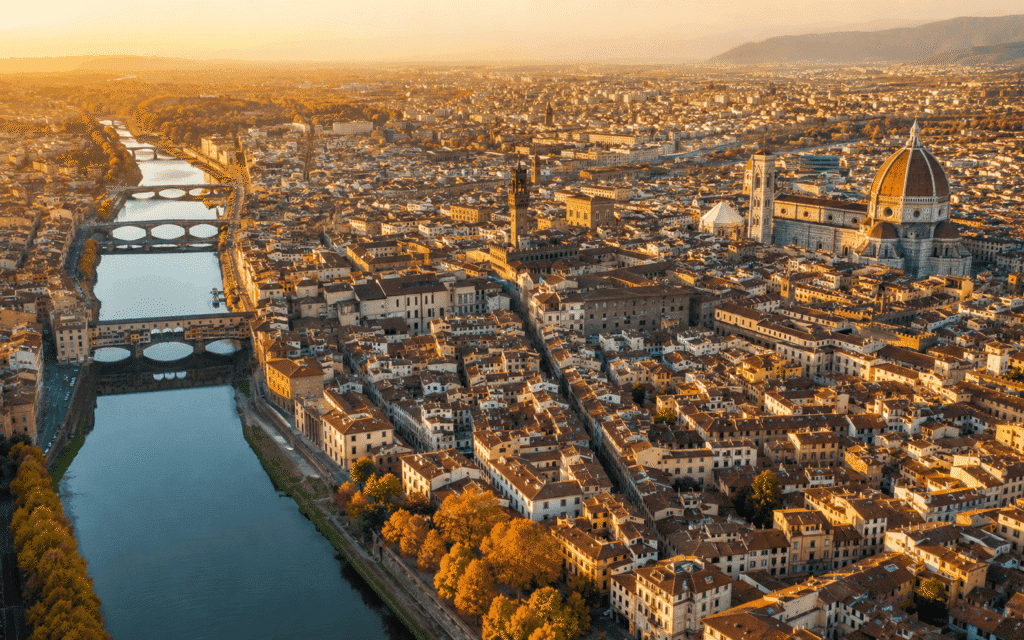
Oltrarno Best Overall for Solo Travellers
Oltrarno (literally “the other side of the Arno”) is Florence’s most authentically local neighbourhood and consistently the top recommendation for solo travellers who want a genuine Florentine experience rather than a tourist-zone hotel.
The neighbourhood retains working artisan workshops (leather, jewellery, bookbinding), independent restaurants serving genuinely local food, neighbourhood wine bars where locals actually drink, and a residential pace that makes solo exploration feel natural rather than performative.
The aperitivo bars on and around Piazza di Santo Spirito and Via del Serragli are among the best places in Florence to meet other solo travellers and locals in an informal setting.
Santa Croce Best for Meeting Other Travellers
Santa Croce is Florence’s most social neighbourhood for solo travellers in their 20s and early 30s. The area around Piazza di Santa Croce and Piazza dei Ciompi has a high concentration of hostels, mid-range hotels, international restaurants, and bars frequented by young travellers and Florentine students.
The neighbourhood’s lively evening atmosphere makes it the easiest place in Florence to fall into conversation with other solo travellers.
For a full neighbourhood-by-neighbourhood guide to accommodation, our where to stay in Florence covers every area with specific hotel and hostel recommendations.
How Many Days Do You Really Need in Florence?
This is one of the most common questions in Florence solo travel planning and it has a specific answer.
Three full days is the minimum to see Florence’s essential highlights without rushing.
Two days is technically possible but means making difficult choices between major attractions and leaves no room for the neighbourhood wandering, cooking classes, or aperitivo evenings that are some of Florence’s best solo travel experiences.
Four to five days is ideal for solo travellers ; it allows a Chianti day trip, deeper exploration of less-visited museums, a cooking class, and the slower pace that makes solo travel in Florence genuinely restorative.
| Duration | What You Can Cover | Best For |
|---|---|---|
| 2 days | Uffizi, David, Duomo, Ponte Vecchio, Piazzale Michelangelo | Stop on a longer Italy itinerary |
| 3 days ✅ | All above + neighbourhood walks, cooking class, aperitivo | First-time solo visit |
| 4–5 days ⭐ | All above + Chianti day trip, hidden museums, slower pace | Recommended for solo travellers |
| 7+ days | All above + multiple day trips, language classes, cooking week | Extended solo stay or study trip |
What is the best month to visit Florence?
April, May, September, and October. These months offer mild temperatures (15–25°C), manageable crowds, and the best value on accommodation. October is the strongest month for food. The harvest season brings truffle pasta, porcini mushrooms, new Chianti wine, and chestnut menus. July and August are the busiest and hottest.
What is the coldest month in Florence?
January, with average lows of 3–4°C and highs of 9–10°C. Florence in January is dramatically quieter, cheaper, and fog is common in the Arno Valley. Major museums are open and rarely crowded. For solo travellers who prioritise museum access over outdoor ambiance, January is an underrated choice.
Is Florence expensive to visit?
Florence is moderately expensive by Italian standards, slightly more than Rome but less than Venice. Accommodation is the biggest cost variable. Food and attraction costs are comparable to most European capital cities.
Best Things to Do in Florence Alone
Solo travel amplifies Florence’s best experiences. These are the things that are genuinely better alone than with a group.
The Uffizi Gallery
The Uffizi houses the world’s greatest collection of Renaissance painting Botticelli’s Birth of Venus and Primavera, Leonardo’s Annunciation, Michelangelo’s Holy Family, Raphael’s portraits, Caravaggio’s Medusa. Alone, you move at your own pace. You can stand in front of the Botticelli rooms as long as you want. You can retrace your steps. You do not have to wait for anyone.
Book in advance at the official Uffizi website. Arrive at opening time for the most space. Allow 2.5–3 hours minimum.
Michelangelo’s David Accademia Gallery
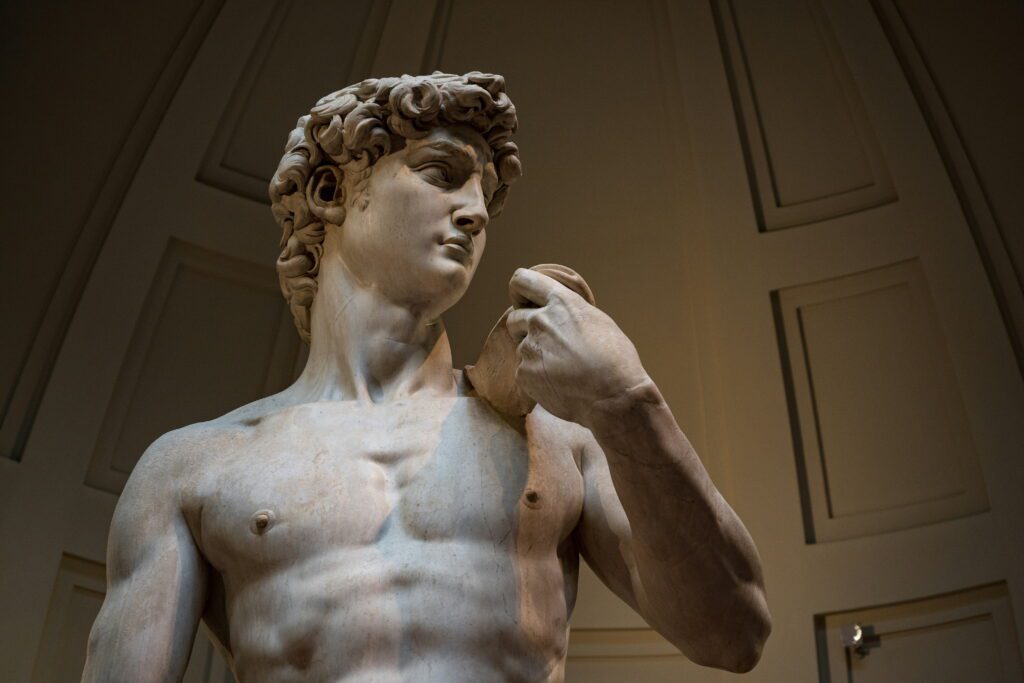
Michelangelo’s David is one of the genuinely transformative solo travel experiences in Italy. The sculpture is 5.17 metres tall and was carved from a single block of Carrara marble between 1501 and 1504. Standing in front of it alone without managing a group’s reactions, timeline, or photography gives you space to actually look. Book at the official Accademia Gallery website. Allow 1.5 hours.
Piazzale Michelangelo at Sunset
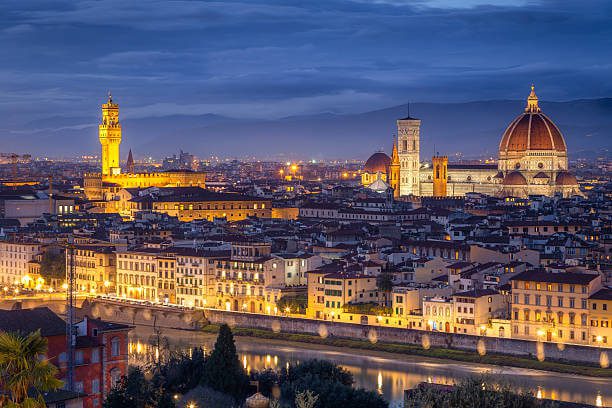
A free hilltop viewpoint above the Arno on Florence’s south side. The panoramic view of the entire city Duomo, Giotto’s Campanile, Palazzo Vecchio, Ponte Vecchio, and the surrounding Tuscan hills is the single most rewarding outdoor experience in Florence. Arrive 45 minutes before sunset for the best light. Take the steps from Piazza Giuseppe Poggi rather than the road.
Wandering the Oltrarno on Foot
The Oltrarno neighbourhood south of the Arno is Florence’s most authentic area for solo walking. The streets between Piazza di Santo Spirito, Via Maggio, Borgo San Jacopo, and Via dei Serragli contain artisan leather workshops, independent bookshops, neighbourhood wine bars, and small galleries that do not appear in guidebooks. Wander without a plan.
The Mercato Centrale
Florence’s covered central market on Via dell’Ariento is one of the best solo food destinations in Italy. The ground floor has fresh produce, cheese, meat, and wine vendors. The upper floor is a food hall with stalls serving lampredotto (tripe sandwiches), pasta, pizza, bistecca, and Tuscan street food. Eating alone at a shared standing table is entirely normal and comfortable here.
A Cooking Class
Cooking classes in Florence are one of the best solo travel social activities in Europe. Classes run daily and are filled almost entirely with solo travellers and couples. You learn to make fresh pasta, ribollita, bistecca, or Florentine pastries from local chefs and share a meal with your classmates at the end. It is consistently one of the highest-rated activities in Florence for solo travellers.
A Free Walking Tour
Florences free walking tours (tip-based) are a reliable way to meet other solo travellers within hours of arrival. Tours depart from Piazza della Repubblica twice daily and cover the historic centre’s key landmarks with local English-speaking guides. They typically run 2–2.5 hours. Tip €10–15 if you enjoyed it.
For hidden experiences beyond the standard tourist circuit, our unusual things to do in Florence cover the Florence that most visitors never find.
Free Things to Do in Florence Solo
Florence has more genuinely free experiences than almost any other city in Italy:
Free attractions:
- Piazzale Michelangelo (panoramic viewpoint always free)
- Basilica di Santa Croce exterior and piazza
- Ponte Vecchio the bridge itself is free to walk
- All city piazzas Piazza della Signoria, Piazza della Repubblica, Piazza di Santa Croce
- San Miniato al Monte church (15-minute walk above Piazzale Michelangelo)
- The Boboli Garden exterior walk along the Arno
- Museo di San Marco courtyard (free entry on certain days)
- All Florence state museums are free on the first Sunday of each month
Free experiences:
- Watching artisans in their workshops in Oltrarno
- The Mercato di Sant’Ambrogio (local food market, free to wander)
- Evening aperitivo culture one drink price includes free food
- The Biblioteca Nazionale Centrale di Firenze reading room (accessible to visitors)
How to Meet People Travelling Solo in Florence
Meeting people as a solo traveller in Florence is straightforward if you know where to go. Florence has a large permanent community of international students, language learners, and art students people who are by nature social and open to conversation.
Aperitivo Hour (6–8pm)
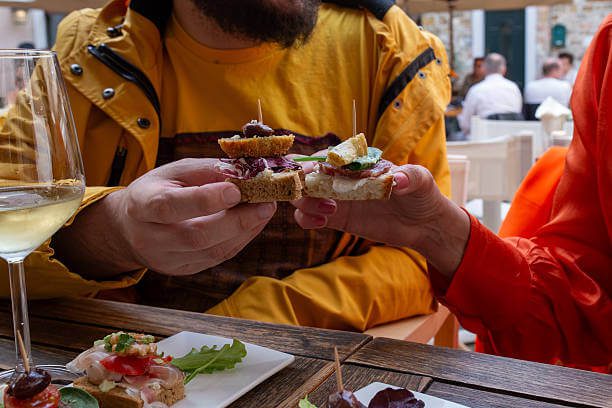
The most consistently effective way to meet people in Florence. From 6pm, Italian bars serve aperitivo one drink (Aperol Spritz, Negroni, wine, or non-alcoholic) at a fixed price (usually €6–9) that includes access to a spread of free snacks. The atmosphere at a good aperitivo bar is inherently social. People are standing, eating, talking, and open to conversation.
Best aperitivo bars for solo travellers:
- Piazza di Santo Spirito (multiple bars, outdoor seating in the piazza, meets local and international crowd)
- Volume bar, Oltrarno (known for its excellent free food spread and mixed local/traveller crowd)
- Mad Souls and Spirits, Oltrarno (small, friendly, great cocktails)
- Rasputin, Santa Croce (young crowd, good energy)
- Free Walking Tours
Free walking tours attract almost exclusively solo travellers and couples. Standing together for 2.5 hours, being curious about the same things, and tipping the same guide creates natural conversation. Many solo Florence friendships start on a walking tour.
Cooking Classes
A half-day Florentine cooking class making fresh pasta, ribollita, or bistecca is structured around shared participation and ends with everyone eating together. It is one of the most reliable social solo travel activities in the city.
Hostels with Social Common Areas
Even if you are not in your early 20s, Florence has excellent hostels with shared common areas, communal kitchens, and organised social events. Ostello Bello, plus Academic Hostel, are particularly known for creating genuine social atmospheres rather than just cheap beds.
Language Exchange Events
Florence’s large international student population runs regular language exchange evenings (Italian for English / English for Italian). These events are low-pressure, interesting, and attended by a mix of ages and nationalities. Search for current events on Meetup.com or local Facebook groups before arrival.
Museum Queues
Waiting in line at the Uffizi, Accademia, or the Duomo climbing queue creates natural proximity with other visitors. A short, friendly observation about the wait often leads to walking through the museum alongside someone interesting. Solo travellers are especially open to conversation in queue situations.
Solo Dining in Florence
Solo dining in Florence is genuinely comfortable far more so than in many other cultures. Italians dine alone regularly, particularly at lunch, and small family-run trattorias seat single diners without any awkwardness.
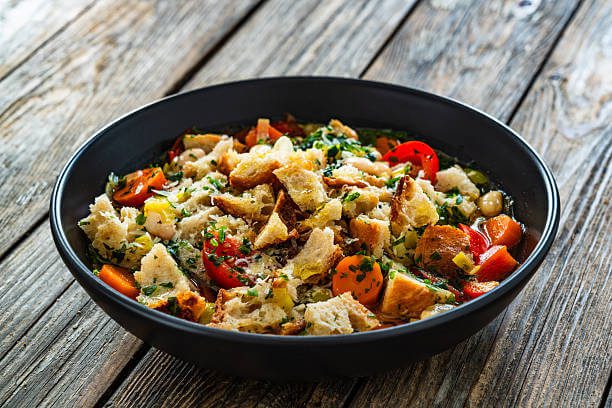
Best Dining Situations for Solo Travellers
Standing bars and panino counters are the most natural solo eating environments in Florence. The Mercato Centrale upper floor has perfect communal seating, multiple food options, and a social atmosphere.
Small neighborhood trattorias (6–15 tables) are more welcoming to solo diners than large tourist restaurants. The staff at a family trattoria will often chat with a solo diner, recommend dishes, and make you feel genuinely hosted rather than just processed.
Wine bars (enoteca) are excellent solo destinations: sitting at a bar counter, ordering a glass of Chianti and a plate of crostini, and watching the evening unfold is one of Florence’s most enjoyable solo experiences.
Avoid large tourist restaurants with laminated menus near major attractions; these are not designed for solo diners and are not where Florentines actually eat.
What to Order as a Solo Diner in Florence
At lunch: lampredotto (tripe) sandwich from a trippai cart authentic Florentine street food from €4. Schiacciata (Florentine focaccia) with filling from a forno (bakery) for €3–5. A primo at a trattoria (ribollita, pappa al pomodoro, pici all’aglione) for €9–12.
At dinner: ribollita (Tuscan bread soup), pappardelle al cinghiale (wild boar pasta), bistecca alla Fiorentina if budget allows (usually sold by weight, minimum 500g, €25–50). Pair with a glass of Chianti Classico.
For the full seasonal menu guide and the best restaurants in Florence for solo diners, our best restaurants in Florence cover specific recommendations with prices and opening hours.
What food is Florence known for?
Bistecca alla Fiorentina (T-bone steak), ribollita (Tuscan bread and vegetable soup), lampredotto (tripe sandwich), pappardelle al cinghiale (wild boar pasta), schiacciata (flatbread), and gelato. For wine, Chianti Classico from the surrounding hills.
Is tipping a thing in Florence?
Tipping is not obligatory in Florence. Rounding up to the nearest euro or leaving €1–2 for genuinely good service is appreciated. Large American-style tips are not expected and can cause mild confusion. The coperto (cover charge of €1–3 per person) is standard and legitimate; it will appear on every restaurant bill.
What to Be Careful of in Florence
Pickpockets and Petty Theft
The primary security concern in Florence is pickpocketing, not violent crime. High-risk areas are the Uffizi queue, the area around the Duomo, the Mercato di San Lorenzo (outdoor leather market), and Piazza della Repubblica. Prevention is simple: wear a zipped crossbody bag in front of your body, keep your phone in an inside pocket, and do not display expensive cameras or jewellery unnecessarily.
Tourist Trap Restaurants
Florence has two tiers of restaurants: genuinely good local food at honest prices, and tourist-trap establishments near major landmarks charging high prices for mediocre food. The dividing line is almost geographic. Walk two streets away from the Duomo, Uffizi, or Ponte Vecchio and prices drop and quality rises significantly.
Signs of a tourist trap: laminated photo menus, touts standing outside calling to passers-by, and prices for pasta above €18. Signs of a good restaurant: handwritten menus, no photos, full of locals, opens late for dinner.
ZTL Zones (if renting a car)
Florence’s historic centre is a Zona a Traffico Limitato (ZTL) , a restricted traffic zone with automatic camera enforcement. Driving into the ZTL without a permit results in a fine sent to your rental car company and charged to your credit card. Solo travellers renting cars should park outside the ZTL and walk or take a taxi into the centre.
Unspoken Rules in Italy
Never order a cappuccino after a meal. Never touch produce at market stalls without asking. Always greet shopkeepers with buongiorno or buonasera on entering. Never rush the waiter to ask for the bill (il conto, per favore) only when genuinely ready to leave. In churches, always cover shoulders and knees.
What is a must buy in Florence?
Leather goods Florence has a genuine artisan leather tradition dating back centuries. The San Lorenzo leather market has tourist-quality goods, but the real artisan leather workshops are in Oltrarno (Via Maggio, Borgo San Jacopo area). Handmade leather wallets, bags, and belts from a named Oltrarno artisan are among the most authentic Florence purchases. Also: marbled paper goods from traditional paper workshops (cartolerie), locally-produced Chianti Classico wine, and Florentine liqueurs (Amaro).
What is not allowed to bring to Italy?
From outside the EU: meat products, most dairy, fresh fruit and vegetables from non-EU countries, and cash over €10,000 without declaration. Prescription medications require a copy of the prescription.
Do and don’ts in Italy:
Do greet shopkeepers. Do eat at the bar for coffee. Do book major attractions in advance. Do cover up for churches. Don’t order cappuccino after lunch or dinner. Don’t eat standing up while walking in city centres (some Italian municipalities have introduced fines). Don’t leave without asking for the bill.
Florence Solo Travel Budget
How Much Money Do You Need for 3 Days in Florence?
| Category | Budget (3 days) | Mid-Range (3 days) | Comfortable (3 days) |
|---|---|---|---|
| Accommodation (per night) | €25–50 (hostel) | €80–150 (3-star) | €180–350 (boutique) |
| Food (per day) | €20–35 (market + 1 meal) | €50–80 (restaurants) | €100–180 (fine dining) |
| Attractions | €20–40 (1–2 museums) | €60–100 (Uffizi + Accademia + Duomo) | €150–250 (all + guided tours) |
| Transport (local) | €0 (walk everywhere) | €10–20 (taxis, 1 bus) | €30–60 (taxis + day trip) |
| 3-Day Total (est.) | €155–265 | €380–650 | €810–1,490 |
Budget Tips for Solo Travel in Florence
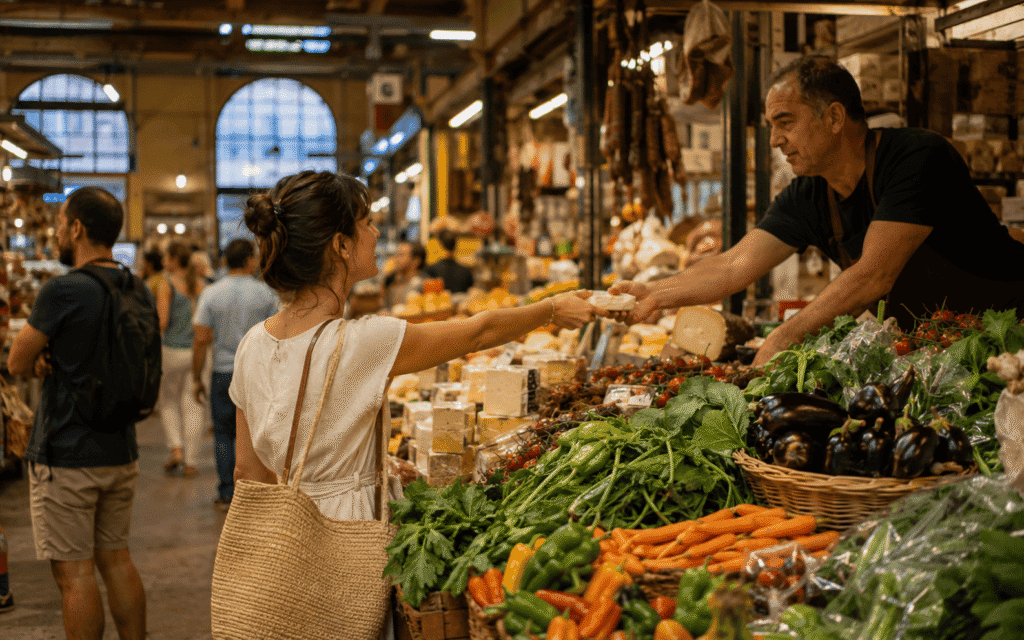
Take advantage of aperitivo hour. One drink at an aperitivo bar (€6–9) includes a generous free food spread. Many solo travellers use aperitivo as their dinner, which is completely legitimate and highly enjoyable.
Eat lunch at markets and standing bars. The Mercato Centrale upper food hall, the Mercato di Sant’Ambrogio, and standing bars throughout the city offer genuine Florentine food at a fraction of restaurant prices.
Take advantage of student and under-26 discounts. The Uffizi, Accademia, and most Florentine state museums offer reduced or free entry for EU citizens under 18 and discounted entry for those under 26. Non-EU visitors typically pay full price, but always ask.
Visit museums on free Sundays. Italian state museums including the Uffizi and Accademia are free on the first Sunday of every month. These days are significantly busier but the savings are substantial.
Walk absolutely everywhere. Florence is entirely walkable and taxis within the historic centre are rarely necessary for sightseeing. Saving taxi money is the easiest solo budget optimization in Florence.
For broader Italy budgeting and money-saving tips, our travel tips for Italy in October covers 35 specific strategies applicable year-round.
Getting Around Florence as a Solo Traveller
Florence is one of Europe’s most walkable cities. The entire historic centre can be crossed on foot in under 20 minutes. Almost every major attraction Duomo, Uffizi, Accademia, Ponte Vecchio, Santa Croce, Piazza della Signoria is within a 10–15 minute walk of each other.
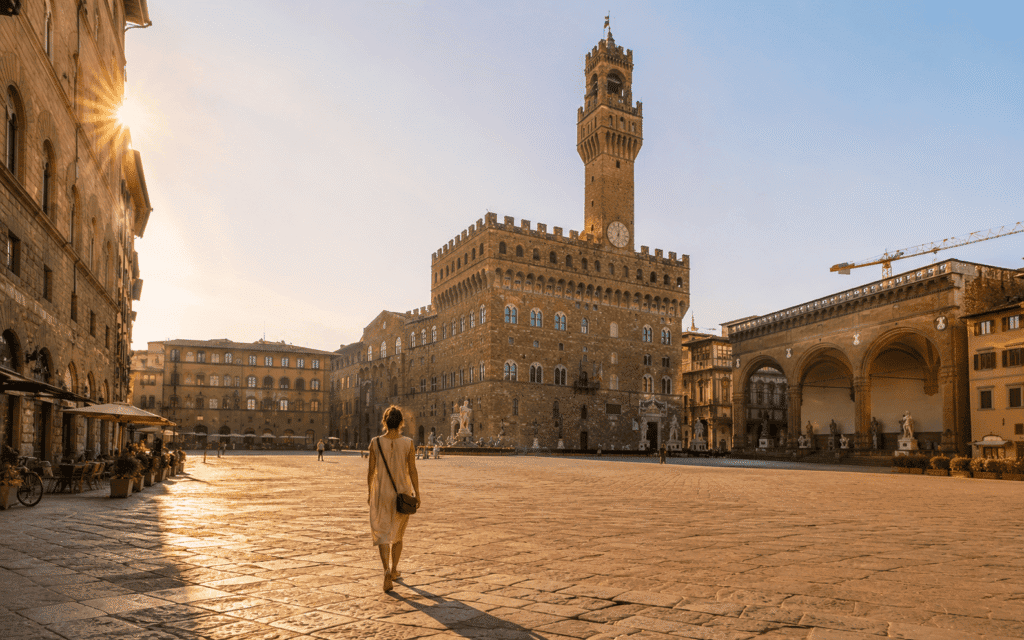
Best way to get around Florence: Walking, always. The cobblestone streets are uneven flat-soled, comfortable shoes are essential. Avoid rolling suitcases on major cobblestone streets; they are exhausting and damage the wheels.
Public transport: Florence has a bus network (ATAF) and a single tram line (T1) connecting the airport to Santa Maria Novella station. Within the historic centre, buses are rarely necessary for sightseeing. Buy single tickets (€1.50, valid 90 minutes) or 24-hour passes (€5) at tabacchi shops.
Taxis: Available from official ranks at Santa Maria Novella station, Piazza della Repubblica, and Piazza di Santa Croce. Always use metered taxis and never accept rides from unofficial drivers. The Uber app operates in Florence but is more expensive than taxis for most journeys.
Cycling: Florence has a bike-sharing scheme and cycle hire shops throughout the city. The flat areas along the Arno (the Lungarno) are ideal for cycling. Avoid cycling on the major cobblestone streets of the historic centre.
Getting to Florence: High-speed Frecciarossa trains from Rome (1h 30m) and Venice (2h 10m) arrive at Santa Maria Novella station in the heart of the city. Book at Trenitalia .
Which is Nicer, Siena or Florence?
This is one of the most commonly asked questions when planning a Tuscany trip and it deserves an honest answer. Florence and Siena are genuinely different cities that serve different travel purposes. They should not be thought of as alternatives; they complement each other perfectly on a combined visit.
| Factor | Florence | Siena |
|---|---|---|
| Art museums | World-class (Uffizi, Accademia) | Good (Museo del Duomo) |
| Medieval atmosphere | Strong (but more touristy) | Exceptional — better preserved |
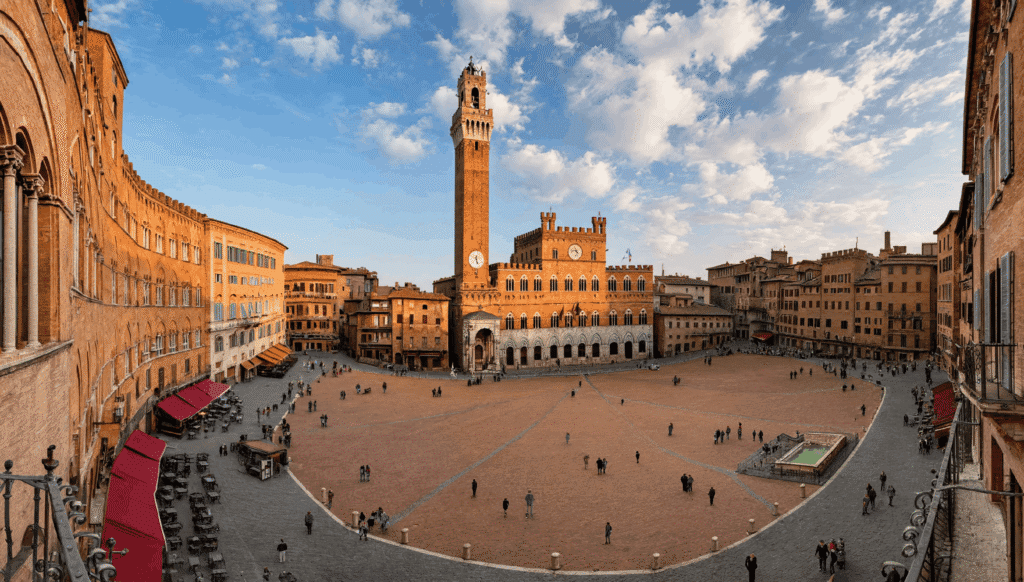
| Piazza | Piazza della Signoria | Piazza del Campo (one of Europe’s finest) |
| Food and wine | Excellent variety | Good + nearby Brunello di Montalcino |
| Tourist crowds | Very high in summer | High but more manageable |
| Transport links | Excellent — major rail hub | Bus from Florence — no direct train |
| Solo travel ease | Excellent — very easy | Good — manageable as day trip |
Is Siena a tourist trap? Not in the same way as some smaller Tuscan towns. Siena has genuine medieval history, an extraordinary cathedral, and the famous Piazza del Campo. Prices are higher than Florence for food and accommodation but the experience is authentic.
Is there a high-speed train from Florence to Siena? No, there is no direct high-speed train. The fastest connection is the Siena bus from Florence’s SITA bus station (by Piazza Adua, near the train station), taking approximately 1 hour 15 minutes and costing €8–10 each way. A slower local train via Empoli takes 1.5–2 hours. Most day-trippers use the bus.
Should I go to Florence or Tuscany? Both Florence IS in Tuscany. Base yourself in Florence and day-trip into the Tuscan countryside: Chianti wine country, Siena, San Gimignano, Volterra, and the Crete Senesi are all accessible by bus, local train, or rental car.
Should I go to Naples or Florence? Different experiences entirely. Naples is louder, more chaotic, and has the world’s best pizza, Pompeii, and the Amalfi Coast nearby. Florence is quieter, more refined, and has the world’s best Renaissance art. Most Italy itineraries include both.
What is the most beautiful town near Florence? San Gimignano (the medieval tower town, 50 minutes by bus), Volterra (Etruscan hilltop town, 90 minutes), and the Crete Senesi landscape south of Siena are all strong candidates. For autumn specifically, the Chianti countryside between Florence and Siena is arguably the most photographed Italian landscape in October.
What is the prettiest region of Italy? Tuscany consistently tops polls for this; the Val d’Orcia (a UNESCO World Heritage Site), the Chianti hills, and the Crete Senesi are iconic. Umbria (the neighbouring region to the east) is often overlooked and equally beautiful.
Best Day Trips from Florence for Solo Travellers
Florence’s central location in Tuscany makes it an extraordinary base for solo day trips. All of the following are accessible without a car.
Siena Best Medieval Day Trip
Florence to Siena: 1h 15m by SITA bus from Piazza Adua, €8–10 one way.
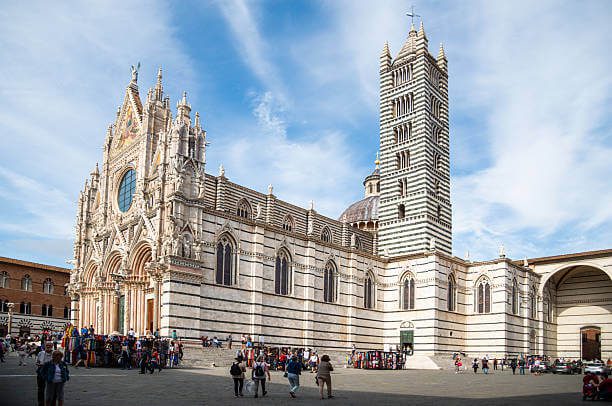
Siena is the most popular solo day trip from Florence. The Piazza del Campo is one of the finest medieval public spaces in Europe a fan-shaped brick piazza surrounded by Gothic palaces, gently tilted toward the magnificent Palazzo Pubblico. The Siena Duomo (Cathedral of Santa Maria Assunta) is among the most visually extraordinary Gothic cathedrals in Italy, with its black and white marble striped facade and extraordinary inlaid marble floor (partially uncovered October to early November).
Walk the medieval alleys (contrade) between the cathedral and the Campo. Eat ribollita or pici cacio e pepe at a trattoria in the contrade. Take the bus back to Florence in the early evening.
San Gimignano Best Quick Town Trip
Florence to San Gimignano: approximately 1h 15m by bus from SITA bus station (change at Poggibonsi).
San Gimignano is famous for its medieval towers 14 remain of the original 72, giving the small hilltop town its extraordinary skyline. The town centre is compact (walkable in 90 minutes) and the views over the Tuscan countryside from the towers are outstanding. The local white wine Vernaccia di San Gimignano (Italy’s first DOC wine) is excellent and available at any enoteca.
Be aware: San Gimignano is heavily visited in summer. It is best in the early morning before tour buses arrive. An overnight stay makes the experience far more authentic than a day trip.
Chianti Wine Country Best Solo Nature Day Trip
Florence to Chianti: rent a bicycle or car, or join a guided Chianti day tour from Florence.
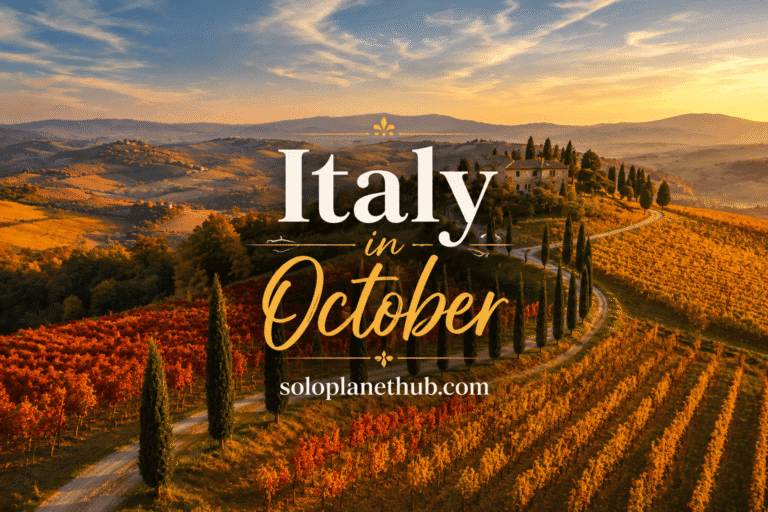
The Chianti wine region between Florence and Siena is one of Italy’s most beautiful landscapes, rolling vine-covered hills, cypress-lined roads, medieval village towers, and stone farmhouses. In October, the harvest turns the vineyard rows vivid red, gold, and orange.
Without a car, the best option is a guided day tour from Florence covering Chianti wineries, a village lunch, and truffle hunting (in season). Several operators run daily tours year-round.
Cinque Terre Best Coastal Day Trip
Florence to Cinque Terre: approximately 2.5 hours by fast train to La Spezia, then local train to Riomaggiore.
The five colourful fishing villages of Cinque Terre on the Ligurian coast are one of Italy’s most iconic sights and entirely achievable as a day trip from Florence. Take the first train (7am departure), spend the day hiking between villages or taking the ferry, and return in the evening.
Our things to do in Cinque Terre covers every village and trail. For transport from Florence, our how to get to Cinque Terre covers all options with timings.
Pisa Best Quick Day Trip
Florence to Pisa: 50 minutes by regional train, €8–10 one way.
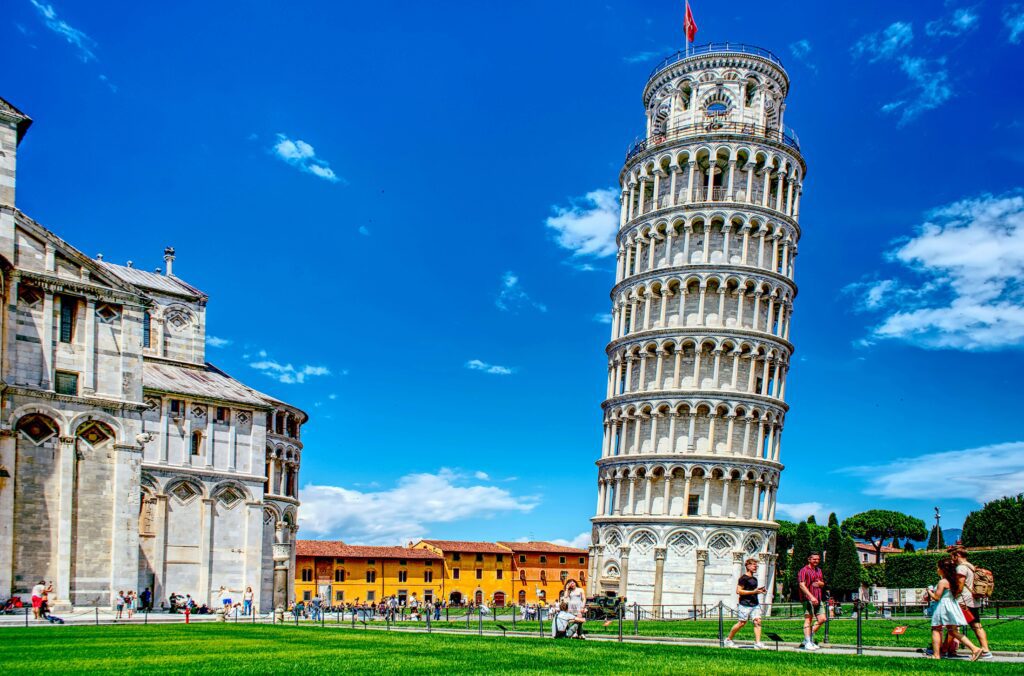
Pisa is more than its famous leaning tower, the Cathedral of Santa Maria Assunta, the Baptistery, and the Camposanto Monumentale on the Piazza dei Miracoli make this one of the most architecturally significant medieval squares in Europe. Allow 3–4 hours for the full piazza complex. The rest of Pisa city (beyond the tourist zone) is an ordinary university town.
Should I visit Pisa or Siena?
Siena is generally a more rewarding day trip for most solo travellers, more depth, better food, more to explore beyond a single famous monument. Pisa is better as a quick stopover if passing through by train.
Florence Solo Travel Packing Tips
Packing for solo travel in Florence comes down to comfort and security:
Bag choice: A small crossbody bag worn in front of your body is the single most important security item. Leave large backpacks at your accommodation when sightseeing in crowded areas.
Footwear: Florence’s cobblestone streets destroy thin-soled shoes and exhaust feet in heels. Flat-soled, well-cushioned shoes or walking trainers are essential. Pack ankle boots for evenings if budget allows.
Church essentials: A lightweight scarf in your bag covers shoulders and knees for all church entries instantly. You will need it at the Duomo, Santa Croce, Santa Maria Novella, and the Baptistery.
Layers: Florence in spring and autumn requires light layering warm afternoons, cool mornings and evenings. A compact cardigan or light jacket handles the temperature swing. For a complete clothing guide by season, our what to wear in Italy in October covers all regions and scenarios.
What Not to Do in Florence as an American
Florence is extremely welcoming to American visitors but a few specific behaviours cause friction and mark you immediately as a tourist:
Never order a cappuccino after a meal. This is the single most identifiable tourist behaviour in any Italian city. Milk-based coffee is consumed in the morning only. Order an espresso after lunch or dinner.
Never eat at restaurants displaying laminated photo menus near major landmarks. These are tourist traps without exception walking one street away.
Never tip excessively. Rounding up €1–2 is fine. Leaving 20% is not expected and is not the local norm. Never rush the waiter. Ask for the bill when you are ready: il conto, per favore.
Never skip greeting shopkeepers. Buongiorno (until 1pm) or buonasera (after 1pm) when entering any shop, restaurant, or bar. Not greeting is considered rude.
Never wear shorts or sleeveless tops to churches. You will be turned away at every Florentine church including the Duomo.
How to not stand out as American in Florence:
Wear dark jeans and ankle boots in the evening. Carry a small crossbody bag rather than a large backpack. Dine at 8pm rather than 6pm. Stand at the bar for coffee rather than sitting at a table. Learn 10 words of Italian. Walk at city pace rather than tourist pace.
Is Florence or Rome Better to Visit?
This is a genuine dilemma for solo travellers planning a first Italy trip. The honest answer: they are both essential, but for different reasons.
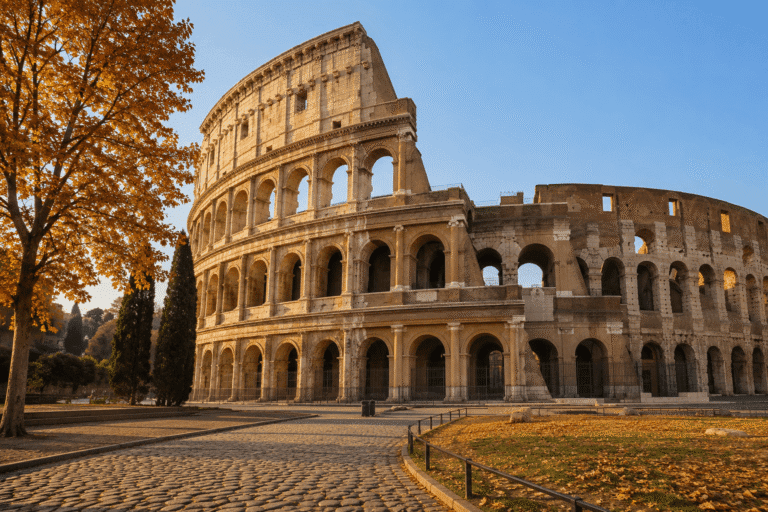
Rome is larger, more ancient, more chaotic, and has more sheer volume of historical landmarks; the Colosseum, Vatican, Roman Forum, Pantheon, and Trevi Fountain make it the most landmark-dense city in the world. It takes longer to process.
Florence is smaller, more refined, and more human in scale. The art is more concentrated and arguably more powerful; the Uffizi and Accademia are two of the world’s finest museums. The food is more consistently excellent. The streets are more navigable. The Oltrarno neighbourhood is more authentically local than almost anything in Rome’s centre.
For solo travel specifically: Florence wins on safety, walkability, and the ease of meeting people. Rome is more overwhelming on a first solo visit. Many solo travellers find Florence more manageable and more personally rewarding.
The ideal answer: Visit both. Rome first (3 days), Florence next (3–4 days), connected by the 1.5-hour Frecciarossa
Final Thoughts: Florence Solo Travel Guide
Florence is a city that reveals itself to people who travel slowly and solo travel is the natural way to move slowly through it.
You can spend an entire morning in the Accademia standing in front of Michelangelo’s David without managing anyone else’s experience. You can discover a corner trattoria in Oltrarno that nobody has told you about. You can sit at a San Niccolò wine bar for two hours with a Chianti and a view of the Arno, talking to nobody, or meeting everyone.
The Uffizi and the cooking classes and the sunset from Piazzale Michelangelo are all extraordinary. But what makes Florence one of the best solo travel experiences in Europe is simpler than any landmark: it is a city at exactly the right scale, with exactly the right pace, and exactly the right food, for a person moving through it entirely on their own terms.
Book the Uffizi in advance. Stay in Oltrarno or Santa Croce. Eat at standing bars for lunch and trattorias for dinner. Go to aperitivo at 6pm. Learn buongiorno, grazie, and il conto. Walk everywhere.
Florence will do the rest. For a detailed day-by-day Florence plan, our 2 days in Florence itinerary covers the most efficient route for first-time visitors.
Is Florence a good place to travel solo?
Yes, Florence is one of the best solo travel destinations in Europe. It is compact, entirely walkable, safe, and full of world-class art, food, and culture. Solo travellers are extremely common year-round at museums, walking tours, cooking classes, and aperitivo bars. English is widely spoken. The city rewards slow, independent exploration.
Is Florence safe for solo female travellers?
Yes, Florence is considered very safe for solo female travellers. The main risks are petty pickpocketing in crowded tourist areas (not violent crime) and occasional unwanted attention near nightlife areas after midnight. Standard precautions, zipped crossbody bags, well-lit streets at night, trusting your instincts cover the vast majority of situations.
How many days do you really need in Florence?
Three full days covers the essential highlights Uffizi, Accademia (David), Duomo complex, Ponte Vecchio, and Piazzale Michelangelo. Four to five days is ideal for solo travellers; it adds a Chianti day trip, cooking class, deeper neighbourhood exploration, and the relaxed pace that makes Florence genuinely restorative.
Which is nicer, Siena or Florence?
They serve different purposes. Florence has world-class art museums and a cosmopolitan energy. Siena offers a more intimate medieval atmosphere and the extraordinary Piazza del Campo. Most solo travellers base in Florence and take a day trip to Siena this is the best approach.
What is the best month to visit Florence solo?
April, May, September, and October. These shoulder months offer mild temperatures, manageable crowds, and lower prices. October is particularly strong for food travellers truffle pasta, porcini, and Chianti harvest are all available. Avoid July and August for solo travel.
Is Florence or Rome better to visit?
Both are essential. Florence wins on walkability, food consistency, and solo travel ease. Rome wins on sheer volume of historic landmarks. Most Italy itineraries include Rome first (3 days), then Florence (3–4 days) by high-speed train.